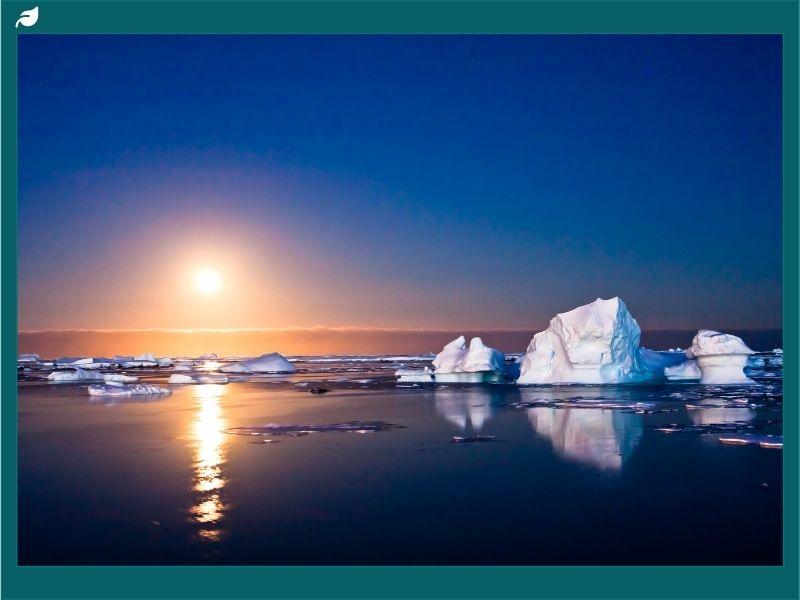
Antarctica, a vast and icy wilderness at the Earth’s southernmost tip, is often perceived as inhospitable. Despite its extreme conditions, this enigmatic continent hosts a variety of temporary human settlements and a diverse array of wildlife. Researchers, scientists, and adventurous explorers inhabit research stations established to study its unique climate and ecosystems. These human endeavors delve into Antarctic mysteries and unlock insights into global climate patterns, as well as the resilience of life in one of the harshest environments on the planet. Discover the fascinating existence of those who call this remote region their home, if only temporarily.

Understanding the Antarctica Population
The frozen expanse of the Antarctic continent offers a captivating study into the unique human activities that unfold in its unyielding climate. Despite its harsh environment, the absence of permanent residents presents a fascinating narrative about who temporarily inhabits this icy frontier. From dedicated researchers and adventurous travelers to seasonal staff, the demographic tapestry woven within the seasons reveals a dynamic population pattern shaped by scientific ambition and exploratory endeavors.
This section unravels the nuanced presence of people across this remote stretch of ice, exploring both who resides there and the diverse demographics they represent.
Who Lives in Antarctica?
Antarctica is distinct in its lack of indigenous human populations, and its human presence is predominantly characterized by temporary residents. Principally, it is home to researchers and scientists who embark on expeditions to study its unique ecology, climate, and geology. These researchers from various global institutes establish bases across the antarctic continent specifically during the summer months when the harsh climate is less severe.
They are often joined by support staff who manage logistics, infrastructure, and daily operations within settlements at research stations. This seasonal influx of people provides a glimpse into the scientific pulse that drives human activity on the continent. Additionally, Antarctica sees an increasing number of tourists each year, drawn by its pristine landscapes and the promise of adventure.
These intrepid explorers, often part of organized expeditions, contribute to a temporary population that varies significantly between seasons. Tourists typically visit during the peak summer period, taking part in guided tours, cruises, and organized experiences designed to minimize environmental impact. This presents a contrast to the scientific populace, as tourists are primarily involved in exploration rather than research.
Contributing to the unique dynamic are personnel involved in logistics and operational roles, which can include engineers, chefs, medical staff, and technicians. Their essential role supports the sustainability of daily life in this harsh climate, underpinning the activities of researchers and tourists alike. It is this intricate blend of people that forms the transient community found on this vast and remote icy continent.
The absence of a native population, coupled with the seasonal pattern of human habitation, presents challenges and opportunities for collaborative international efforts on environmental preservation. The Antarctic Treaty System governs these pursuits to ensure that scientific endeavors and ecological conservation coexist harmoniously. Nations participating in these treaties coordinate through shared research objectives, emphasizing the vital role of cooperation in managing Antarctica’s resources for peaceful and scientific purposes. This synergy underscores the importance of understanding who lives temporarily in Antarctica to sustainably manage human activity on this pristine continent.
To further explore the vibrant and transient community of Antarctica, consider the different groups that come together on this remote continent:
- Researchers conduct studies on climate, ecology, and geology during summer months.
- Support staff ensure the smooth operation of research stations.
- Tourists visit briefly for adventure and pristine landscapes.
- Operational personnel manage logistics and daily functions.
- Environmental regulations are upheld by international treaty agreements.
- Scientists engage in collaborative projects across global institutions.
Each group plays a vital role in the dynamic ecosystem of life in Antarctica.
Demographics and Diversity Among Residents
The demographics of Antarctica’s inhabitants are a reflection of global scientific and exploratory interest, characterized by a remarkable diversity that varies seasonally. The antarctica population during peak times features an engaging mix of nationalities, professions, and scientific disciplines. Researchers make up the majority, bringing a breadth of expertise ranging from climatology and oceanography to zoology and glaciology. These dedicated professionals originate from countries all over the world, often working collaboratively in multinational teams to conduct their research and promote both scientific discoveries and cultural exchange.
A microcosm of international cooperation, antarctic research stations are hubs of diversity where the convergence of varied perspectives enriches the understanding of this unique environment. While researchers form the core of this population, enhancing the collective knowledge across disciplines, the demographic makeup expands with the inclusion of essential support staff, including cooks, medical personnel, and mechanics. Each role is vital to maintaining the functionality and well-being of individuals living in isolation from traditional infrastructure.
In recent years, expeditions have broadened this demographic spectrum to include more gender and cultural diversity. Efforts made by research organizations to include women and underrepresented groups in expeditions are reshaping the landscape of Antarctic exploration. This trend towards inclusivity is vital for encouraging diverse perspectives in scientific inquiry, fostering innovation, and ensuring varied approaches to problem-solving in extreme conditions.
Environmental awareness is paramount among those who take part in this unique demographic landscape. Everyone involved, from scientists to tourists, participates in stringent practices designed to protect the fragile ecosystem from the impacts of human presence. Protocols include waste management, wildlife protection, and minimized energy consumption, consistent with conservation efforts governed by the Antarctic Treaty.
Moreover, the demographic diversity on the antarctic continent serves as a testament to the uniting power of science and exploration. It demonstrates a shared commitment to the global quest for knowledge and the necessity for comprehensive strategies that balance research ambitions with conservation priorities. Through understanding the intricacies of this temporary yet diverse population, we gain valuable insights into the global commitment towards sustainable engagement with one of the planet’s last untouched frontiers.
The Role of Research Stations in Antarctica
In the stark expanse of Antarctica, research stations emerge as bastions of human ingenuity and perseverance. These stations, strategically dotted across the continent, serve as the epicenters of scientific inquiry, housing transient communities of researchers committed to understanding Antarctica’s secrets. Operating under international treaties, these facilities play pivotal roles in environmental and climatological research, supporting a myriad of studies from ice core analysis to wildlife monitoring. Such research not only advances our comprehension of this remote continent but also informs global strategies for dealing with climate change. Unquestionably, research stations form the backbone of human presence in Antarctica.
Key Research Stations and Their Contributions
Research stations in Antarctica are not just functional hubs for scientific exploration; they are emblematic of international collaboration and dedication to understanding the planet’s most extreme environment. Among the prominent stations, McMurdo Station, operated by the United States, stands as the largest research outpost with facilities capable of supporting over a thousand scientists and staff during peak summer months. McMurdo is instrumental in facilitating groundbreaking antarctic research that spans oceanography, astronomy, and biology. The station leverages its resources to dissect the complexities of climate systems. It serves as a launchpad for many antarctic expeditions, contributing significantly to the breadth of knowledge on the continent’s ecology and its pivotal role in global climate patterns.
Meanwhile, the European Concordia Station is renowned for its research into glaciology and astrophysics, offering insights into the planet’s climate history through ice core drilling projects. Its location, perched atop a thick ice sheet, provides an unmatched vantage point for astronomers studying cosmic background radiation. Concordia’s harsh environmental conditions also mirror those of Mars, making it an unparalleled ground for testing space technology and human survival. These studies contribute to our understanding of possible human habitation beyond Earth. This underlines the symbiotic relationship between terrestrial and extraterrestrial research pursuits.
In contrast, the Australian Casey Station focuses heavily on the impact of environmental change, conducting extensive studies on the dynamics of Antarctic ice melt and its implication for global sea levels. The data procured is vital, with Casey forming a critical node in assessing the impacts of climate change on marine biodiversity. Additionally, the involvement of on-site research in monitoring emperor penguin populations highlights the station’s commitment to maintaining biodiversity. This commitment is a critical component of its conservation efforts.
Despite their geographical isolation, these research stations are beacons of scientific advancement and international cooperation. Their contributions extend beyond immediate scientific goals; they serve as platforms for diplomacy and cultural exchange amidst the icy landscapes. Continuously pushing the boundaries of what is possible, the enduring work at these antarctic bases exemplifies how humanity can harness the harsh conditions of Antarctica. This ongoing effort benefits global understanding and the preservation of our environment.
Living Conditions at Research Stations
Life at antarctic research stations is a testament to human resilience and adaptability in the face of one of Earth’s harshest climates. Living conditions are shaped by necessity, focusing on survival in the cold, isolation, and the need for self-sustenance. Research stations are equipped with modular living quarters that can withstand the continent’s extreme temperatures, often plummeting to -60°C. These facilities are critical not only for providing shelter but also for fostering a sense of community among station inhabitants. Despite their diverse backgrounds, residents are united by common scientific objectives and the shared experience of life on this remote continent.
The infrastructure at these stations is designed to ensure the well-being of their inhabitants under harsh conditions. Living quarters are insulated and heated, providing much-needed respite from the icy outdoors. The stations are often equipped with communal spaces such as dining halls, recreational areas, and libraries, which are crucial for maintaining morale during long periods of isolation. Additionally, logistics play a significant role in sustaining life. Food supplies and basic amenities are meticulously planned and often brought in during the safer summer months, and research stations operate under strict protocols to manage waste and ensure minimal environmental impact, in line with the ecological conservation directives of the Antarctic Treaty System.
Interactions with technology are a fundamental aspect of daily life at these bases, from sophisticated scientific instruments that enable world-leading research to more mundane but equally essential equipment like communication systems that link station inhabitants to the outside world. Internet connectivity allows continuous data sharing between antarctic bases and global research institutions, facilitating collaborative efforts and real-time analysis of collected data. Furthermore, technological innovations are continuously integrated into station operations to improve efficiency and comfort. These include energy-saving measures, alternative energy sources like wind turbines, and advanced water recycling systems.
Physical and mental health are areas of concerted focus. Personnel endure extended daylight or darkness periods, which can challenge psychological well-being. As such, mental health support systems, including counseling and peer support groups, are integral to station life. Physical fitness is encouraged through indoor gym facilities and organized recreational activities, which are important for maintaining physical health in a sedentary environment. The collective effort at research stations showcases human inventiveness and shapes communities that represent the inner workings of global collaboration and scientific ambition in Antarctica, one of the world’s last true frontiers.

Antarctic Expeditions: Historical and Modern
Antarctic expeditions have profoundly shaped our understanding of this enigmatic continent, from ancient voyages that charted unknown waters to modern research missions that push scientific boundaries. The evolution of expeditions reflects both technological advances and our growing commitment to protecting the Antarctic environment. Additionally, these expeditions have significantly impacted scientific research, fostering international collaboration and enhancing our grasp of global climate systems. This section delves into how Antarctic expeditions have progressed over time and the critical role they play in contributing to scientific knowledge.
The Evolution of Expeditions Over Time
The history of Antarctic expeditions is a narrative woven from tales of bravery and discovery, beginning long before modern technology made travel to the icy continent feasible. Early explorers like James Cook embarked on voyages in the late 18th century, driven by intrigue and a thirst for discovery, navigating treacherous waters in an attempt to map uncharted territories. These early expeditions were perilous, with explorers facing immense challenges posed by the harsh climate and unpredictable seas. Despite this, they succeeded in laying the groundwork for future expeditions, transforming the once-mythical Terra Australis into a place of palpable intrigue.
As centuries progressed, the nature of Antarctic expeditions evolved significantly. The Heroic Age of Antarctic Exploration, spanning from the late 19th to the early 20th century, marked a dramatic shift. It was characterized by ambitious quests to reach the South Pole, spearheaded by legendary figures like Roald Amundsen and Robert Falcon Scott. These missions were feats of endurance, relying on rudimentary technology and sheer human determination. Successes and tragedies alike during this era captured public imagination, underpinning the recognition of Antarctica as a focal point of scientific and national aspiration.
In the latter half of the 20th century, technological advancements revolutionized Antarctic expeditions. Aircraft, icebreakers, and advanced communications transformed the once-treacherous journeys. This period saw the establishment of permanent research stations, reflecting a strategic shift from exploration to systematic scientific study. Modern-day expeditions leverage cutting-edge science and technology, routinely deploying sophisticated equipment for data collection and analysis. They have become collaborative international efforts, driven by shared research objectives to address pressing global issues like climate change. With multinational teams and advanced logistics, today’s Antarctic expeditions embody a union of exploration and science, continually shedding light on the enduring mysteries of the continent.
The Impact of Expeditions on Antarctic Science
Antarctic expeditions have emerged as pivotal to advancing our scientific understanding of global phenomena. The exploration and research conducted in these extreme conditions provide vital data, revealing insights that extend well beyond the icy continent. This knowledge is indispensable for comprehending complex climate systems and their impacts worldwide. Expeditions have facilitated the development of comprehensive records of atmospheric, oceanic, and glacial changes, offering critical evidence about Earth’s climatic past and present. Research initiatives such as ice core drilling have provided records that offer a window into historical climate data dating back hundreds of thousands of years.
The cooperative nature of Antarctic expeditions cannot be overstated. Under the Antarctic Treaty System, countries engage in peaceful scientific cooperation, sharing findings that contribute to a collective understanding of environmental challenges. This system ensures that Antarctica remains a natural reserve dedicated to science, with internationally agreed-upon regulations designed to preserve its pristine environment. Such collaboration has led to groundbreaking discoveries, such as the identification of the ozone hole, which has had profound implications for environmental policies worldwide.
Furthermore, the impact of these expeditions reaches beyond climate science. The continent’s unique ecosystems, which are studied extensively during these missions, offer unparalleled insights into biodiversity and adaptations to extreme environments. Discoveries concerning Antarctica’s marine life and their habitats have informed conservation strategies, protecting species that are integral to global biodiversity. Expeditions also drive technological innovation, as they necessitate the development of new tools and systems to operate in one of Earth’s most challenging environments. These scientific pursuits contribute extensive value to global knowledge, reinforcing the importance of sustained exploration and research in Antarctica.
How People Adapt to Antarctica’s Harsh Conditions
Surviving in Antarctica’s unforgiving climate requires innovative approaches and unparalleled resilience. Individuals who venture to this icy expanse must adapt to extreme cold, navigating unique survival and technological challenges. From research station inhabitants to temporary expedition members, humans utilize a variety of adaptive strategies. These adaptations range from inventive clothing and shelter designs to cutting-edge technological innovations that enable daily living on the ice. Delving into these methods unveils the extraordinary lengths to which people go to endure the stark realities of life in one of the planet’s harshest environments.
Survival Strategies in Extreme Cold
Survival in the extreme cold of Antarctica requires an intricate tapestry of strategies that address both physiological needs and environmental challenges. As temperatures can plummet to jaw-dropping lows, with an average winter temperature hovering around -60°C, individuals must prioritize thermal regulation and protection against the cold. Clothing plays a crucial role in this endeavor. High-tech fabrics and multi-layered systems are designed to trap body heat while wicking away moisture, critical for maintaining warmth and preventing frostbite. These garments often feature innovative fibers that reflect body heat back to the skin while incorporating breathable membranes to manage perspiration. This advanced clothing technology is indispensable for people stationed in research outposts or involved in expeditions across the antarctic landscape.
Beyond clothing, the architecture of survival shelters reflects a deep understanding of the harsh antarctic conditions. Many research stations employ modular structures built with insulated panels and aerodynamic shapes, reducing wind chill impact while maintaining warmth. These insulated havens are often constructed using composite materials that offer superior thermal efficiency. In some cases, such as the Concordia Station, buildings are raised on stilts to prevent accumulation of ice and snow around the foundation, ensuring a stable thermal environment. The strategic design of these living quarters allows for effective heat retention, making life in extreme conditions more bearable for occupants.
The psychological component of surviving in antarctica’s severe climate cannot be underestimated. Isolation and limited sunlight during winter months can challenge the mental well-being of residents. Thus, community-building activities and mental health support are embedded into station routines. Social spaces like common dining areas and recreation rooms play a fundamental role in fostering camaraderie among station personnel. Mental health services offer counseling and support, providing a crucial lifeline for individuals adjusting to the harsh and relentless environment.
Dietary adaptations are also pivotal. High-calorie diets are essential to fuel the body’s increased energy demands for thermoregulation. Meals are planned meticulously, utilizing preserved and frozen goods that can be stored over long periods without spoiling. Many stations include greenhouses that employ hydroponic technology to grow fresh produce, compensating for dietary limitations and offering nutritional diversity.
Ultimately, survival strategies in Antarctica combine physiological, architectural, and psychological adaptations. These elements, harmonized by international cooperation and adherence to the Antarctic Treaty System, ensure that people continue to thrive amidst the continent’s relentless cold and isolation. By affording priority to human survival ingenuity, these approaches highlight human tenacity even in the most inhospitable environments.
Technological Innovations for Living on Ice
Living on the icy expanse of Antarctica demands technological innovation unlike any other place on Earth. Among the most critical innovations are those related to energy efficiency and sustainable resource management. As antarctic research stations rely heavily on non-renewable resources, there’s a growing shift towards integrating renewable energy solutions, such as solar panels and wind turbines. These technologies not only minimize the environmental footprint of human presence but also offer reliable power amid challenging weather conditions. Solar panels, for instance, harness the intense antarctic sun during long summer days, while wind turbines capture the potent gusts of polar winds, providing a consistent energy source throughout the year.
The water scarcity challenge, albeit counterintuitive in a land of ice, is addressed through innovative desalination and ice-melting technologies. Stations like the Australian Davis Station have installed reverse osmosis desalination plants capable of producing potable water from seawater. In colder regions where saltwater desalination is not viable, systems that melt snow to produce freshwater are employed. Advanced techniques in water recycling further enhance the sustainability of living arrangements by re-purposing gray water and reducing overall consumption.
Communication technology is another cornerstone of life on Antarctica. The remote location and severe climate necessitate sophisticated satellite systems that offer stable internet connectivity and communication channels with the outside world. High-performance satellite dishes and network infrastructures enable real-time data sharing with global research partners, underpinning scientific collaboration essential for antarctic expeditions to succeed. The seamless exchange of information ensures continuous progress on scientific objectives and provides vital links for logistics, safety, and emergency response.
Automation and robotics significantly contribute to the adaptability of human operations in Antarctica. Robots assist in scientific tasks that are too dangerous for humans, such as collecting samples in inaccessible regions or deploying underwater probes beneath sea ice. Moreover, autonomous vehicles equipped with GPS and advanced sensors pave the way for efficient transportation of goods and personnel, cutting down on exposure to hazardous conditions.
Moreover, technological advancements in personal gear such as programmable thermal gloves and heated vests offer enhanced mobility and comfort during outdoor activities. These innovations, alongside infrastructure improvements in research stations like energy-efficient heating systems and advanced ventilation, ensure a remarkably enhanced quality of life for residents in one of the harshest places on Earth.
The mounting synergy between technology and living conditions in Antarctica exemplifies the innovative spirit required to inhabit this unyielding continent. Through relentless pursuit of advancement, these technological strides not only support the primary goal of scientific discovery but play an integral role in cementing human presence amidst one of the most formidable environments known to humanity.
Cultural and Environmental Implications of Human Presence
The presence of humans in Antarctica is uniquely characterized by the intricate balance between cultural enrichment and environmental stewardship. This delicate equilibrium is maintained by international cooperation focused on research and conservation. The Antarctic Treaty System plays a pivotal role in regulating activities, ensuring that human impact is minimized while scientific knowledge is maximized. Human activities on the continent drive cultural exchange and facilitate groundbreaking research. The challenge lies in managing development without compromising the pristine environment. This section delves into the complexities of maintaining growth, ensuring biodiversity conservation, and the cultural shifts arising from human presence.
Balancing Development and Conservation Efforts
In Antarctica, the convergence of development and conservation efforts presents a unique challenge that reflects both global environmental trends and the delicate nature of its ecosystem. The continent’s pristine environment, governed by the Antarctic Treaty System, offers a critical backdrop for understanding the complexity of balancing human activities with conservation needs. The treaty, which includes multiple international agreements, underscores the importance of maintaining harmony between scientific pursuits and environmental sustainability. This is paramount, particularly in an era where climate change and human impact threaten the fragile balance of ecosystems worldwide.
Antarctica is often seen as the last untouched frontier, a place where human presence must be carefully managed to prevent detrimental impacts on its unique biodiversity. The continent is home to species found nowhere else on Earth, such as emperor penguins and Weddell seals, whose survival is intrinsically linked to the health of their icy habitat. Human activities, predominantly research and tourism, must operate within stringent guidelines to ensure that the natural environment remains undisturbed. The Antarctic Treaty, reinforced by agreements such as the Environmental Protocol, mandates that all activities are conducted with minimal ecological disturbance.
The research stations, though instrumental in advancing scientific knowledge, also present environmental challenges. Their development requires infrastructure that has the potential to disturb local wildlife and thaw permafrost, thus directly contributing to habitat alteration. Moreover, the need for technological infrastructure, energy, and supplies for the stations further complicates the environmental equation. To mitigate these impacts, stations are increasingly adopting sustainability measures, such as employing renewable energy sources like solar and wind. These initiatives not only reduce carbon footprints but also set precedents for how remote settlements might operate sustainably.
Tourism, while economically beneficial and critical for cultural exposure, also needs careful regulation to prevent damaging Antarctica’s environment. Tourism in the Antarctic has grown considerably, propelled by a fascination with its stark beauty and the allure of adventure. To safeguard this unique environment, tour operators adhere to strict codes of conduct, often underpinned by eco-friendly policies. These include limiting the number of visitors, enforcing strict waste management protocols, and maintaining substantial distances from wildlife to prevent disruption and stress.
The human cultural impact on Antarctica is substantial, bringing diverse perspectives through international cooperation. Researchers from diverse cultural backgrounds work together, sharing insights and fostering an inclusive community. This shared experience contributes to a global understanding of ecological risks and informs broader climate strategies. The presence of varied nationalities also brings cultural sensitivity, with each nation contributing to conservation efforts through shared understandings and approaches derived from their own environmental experiences.
In confronting the challenges of development and conservation, Antarctica acts as a microcosm for global environmental efforts. It serves as a testbed for achieving sustainability on a scale that involves international cooperation, rigorous science, and public awareness. By emphasizing sustainable practices and stringent regulations, we can advance our scientific understanding while simultaneously preserving Antarctica’s invaluable ecosystems. This delicate balance of development and conservation is critical, not just for the survival of the continent’s wildlife and ecosystems, but also for the future of scientific exploration and our global climate strategies.
| Aspect | Challenges | Strategies | Outcomes |
| Cultural Exchange | Limited Interaction | International Collaboration Programs | Enhanced Global Understanding |
| Scientific Research | Harsh Climate | Innovative Technologies | Advanced Climate Science |
| Environmental Preservation | Resource Exploitation Risk | Strict Environmental Protocols | Preserved Ecosystem Integrity |
| Infrastructure Development | Ecological Impact | Sustainable Design Principles | Minimal Environmental Footprint |
This table provides an overview of the dynamic interactions between human activities and environmental preservation in Antarctica, highlighting the balance required for sustainable development and cultural enrichment.
As global interest in scientific research, climate change, and environmental conservation rises, Antarctica remains a unique focus for collaborative international efforts. While the continent will likely never become a bustling place for permanent residents, its role as nature’s laboratory remains undisputed. Ongoing studies help unravel Earth’s history and future climate scenarios, ensuring that Antarctica continues to capture the world’s imagination. As technology and logistics evolve, this icy wilderness will remain a vital hub for scientific advancement, revealing more about its isolated ecosystems and their global significance.