Ethical experiences with lasting impact
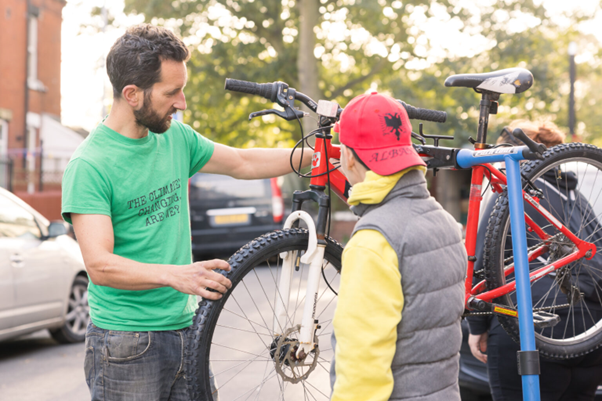
Ocean Vertical, the ethical adventure company based in East Lothian, has launched a corporate ‘pay it forward’ initiative that links business wellness activities with opportunities for disadvantaged young people. The scheme allows corporate clients to direct part of their booking fees towards Ocean Vertical’s Wayfinder Community Interest Company (CIC), funding outdoor confidence-building sessions for teenagers and young adults across Scotland.
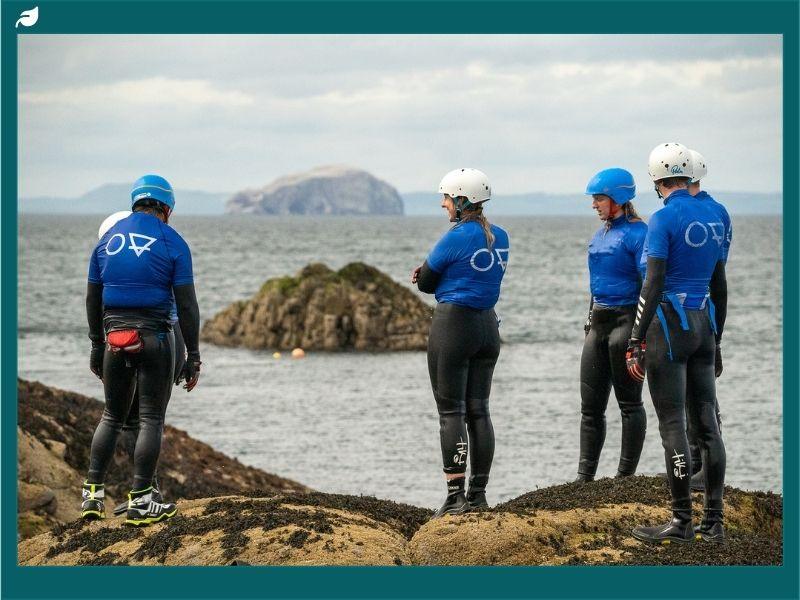
The initiative responds to a broader shift in corporate culture. With many companies rethinking traditional away days in favour of team activities that combine wellbeing, sustainability, and purpose, Ocean Vertical has seen rising demand for its nature-based programmes. From paddleboarding and mountaineering to yoga, axe throwing, and leadership workshops, the firm has built a reputation for blending outdoor adventure with environmental values.
Linking corporate wellbeing to social good
The ‘pay it forward’ scheme marks a new stage in Ocean Vertical’s mission to use nature as a force for both environmental and social impact. Corporate bookings can now directly subsidise access for young people who may not otherwise have the chance to explore Scotland’s landscapes.
Charlotte Street Partners, a strategic advisory firm based in Edinburgh, became the first organisation to adopt the scheme after hosting a team day at Ocean Vertical’s base near Dunbar. Other clients, including Baillie Gifford, Ventient Energy, Edinburgh University, Patagonia, and the Ministry of Defence, have already turned to the company for team development experiences.
This approach reflects a growing recognition within corporate circles that employee engagement and community impact are increasingly intertwined. Wellness initiatives are no longer viewed as standalone perks but as part of a company’s wider responsibility to foster resilience, purpose, and connection.
A growing movement in responsible travel
The timing of the scheme is significant. Outdoor and adventure tourism has surged since the pandemic, with many businesses recognising the physical and psychological benefits of time spent in nature. According to a 2023 report from the Adventure Travel Trade Association, more than 65% of travellers and organisations now prioritise sustainability and wellbeing when booking group activities.
Ocean Vertical’s decision to channel part of this demand into opportunities for young people places the company within a growing movement to align tourism with social equity. Unlike one-off charity donations, the scheme integrates giving into the everyday operations of corporate clients, creating what the company sees as a sustainable cycle of impact.
Why outdoor access matters
Access to outdoor activities is widely recognised as vital for developing resilience, teamwork, and confidence, especially for young people facing disadvantage. Research by Outdoor Learning Scotland has shown that participation in structured outdoor programmes can improve self-esteem and employability while supporting mental health.
By lowering barriers to access, Ocean Vertical’s Wayfinder CIC aims to address inequalities in who gets to enjoy Scotland’s coastlines and mountains. For young people from urban or deprived backgrounds, such experiences can be transformative.
Industry voices on shifting priorities
Commenting on the initiative, Ocean Vertical highlighted how corporate interest in alternative away days reflects a wider cultural change. Companies are increasingly choosing experiences that align with employee wellbeing, environmental responsibility, and social contribution.
This shift is mirrored in the growth of B Corps and other responsible business movements, where organisations are assessed not only on profit but on people and planet. For businesses, the ability to invest in team development while also contributing to the community represents a compelling proposition.
Looking ahead
As demand for purpose-driven corporate experiences continues to rise, Ocean Vertical’s model could inspire similar approaches across the adventure and wellness sectors. By embedding social contribution into the fabric of corporate bookings, the company demonstrates how sustainability in business can extend beyond carbon footprints to include community empowerment.
The support of firms such as Charlotte Street Partners underscores the appetite among corporate leaders to align employee engagement with tangible social outcomes. If widely adopted, initiatives like this could help redefine what corporate wellness programmes look like in the decade ahead.