The United States grapples with significant quantitative challenges related to its reliance on dirty energy sources such as coal, oil, and natural gas. These fossil fuels, despite their historical contributions to industrial and economic growth, are major contributors to greenhouse gas emissions and environmental degradation.
Understanding their quantitative impact involves analyzing data on carbon outputs, pollution levels, and economic costs associated with health and ecological consequences. This assessment is crucial for informing policy decisions, advancing sustainable energy initiatives, and positioning the nation towards a cleaner, more resilient energy future.
Overview of Dirty Energy Sources in the USA
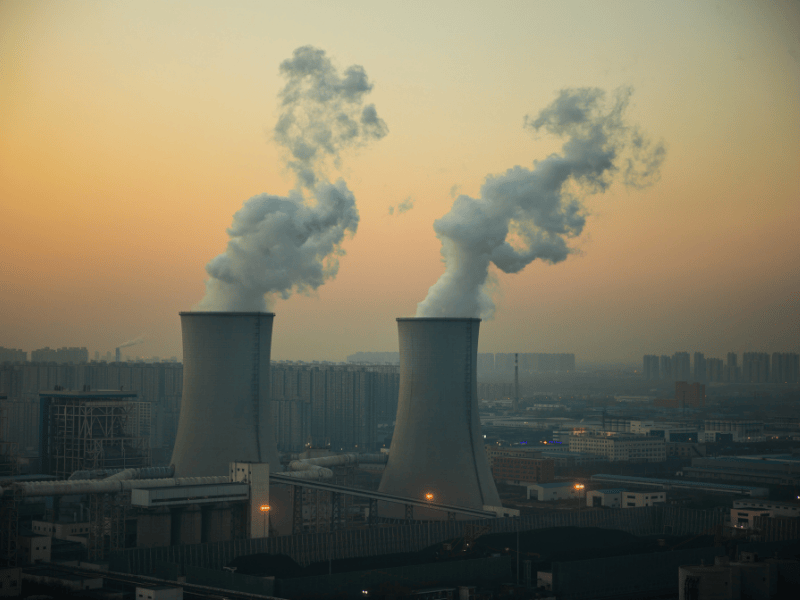
The United States relies heavily on various dirty energy sources to meet its extensive electricity consumption needs. Fossil fuels, including coal, natural gas, and crude oil, dominate the energy landscape, contributing significantly to power generation. Despite increasing awareness of environmental issues, these energy sources remain a cornerstone of the USA’s energy infrastructure.
The market risks associated with continued dependence on fossil energy present challenges that the nation must carefully navigate. Understanding the impact of coal plants and crude oil dependency is crucial as the USA seeks sustainable solutions while balancing economic demands.
The Role of Fossil Energy in Power Generation
Fossil energy has historically been the bedrock of power generation in the United States, with coal, natural gas, and oil constituting the primary sources of electricity. Despite a growing shift towards renewable energy, fossil fuels continue to account for a significant portion of the nation’s electricity consumption. Coal plants, once the backbone of the American power grid, face increasing challenges due to environmental regulations and competitive pressures from cleaner energy sources. However, coal remains a critical player, particularly in regions where alternative energy adoption is slow or economically unfeasible.
Natural gas has emerged as a dominant force in recent decades, largely due to its efficiency and lower emissions compared to coal. The shale gas revolution has further boosted its prominence, leading to a strategic pivot from coal-fired power generation to natural gas plants. This transition is largely driven by market forces, as electricity providers seek to capitalize on cheaper, abundant natural gas supplies to reduce costs and comply with environmental standards. Nonetheless, the ongoing reliance on fossil energy poses substantial market risks, with price volatility and geopolitical tensions impacting the stability of supply and pricing.
In this context, the United States finds itself at a crossroads, balancing immediate gasoline demands with long-term sustainability goals. The risk of stranded assets, where coal plants may become financially unviable before their operational lifecycle ends, is a significant concern for investors and policymakers alike. This underscores the urgent need for innovative energy strategies that align economic realities with environmental imperatives. As the nation evaluates its energy future, the role of fossil fuels in power generation remains a critical consideration, with implications that extend beyond the electricity sector.
Moreover, regulatory developments aimed at curbing emissions further complicate the future outlook for fossil energy. The introduction of carbon pricing and other policy instruments creates both opportunities for innovation and challenges for traditional fossil fuel industries. The ongoing shift in energy policy reflects a broader trend towards sustainable energy solutions, highlighting the evolving dynamics within the U.S. energy landscape. As the country progresses towards cleaner energy solutions, the legacy and impact of fossil energy in power generation continue to shape the discourse within the energy sector.
Crude Oil Dependency and Its Implications
The United States’ dependency on crude oil remains a pivotal aspect of its energy landscape, influencing both domestic policies and international relations. As a major oil producer and consumer, the USA’s oil markets have profound implications for global energy economics. Despite a notable rise in alternative energy pursuits, oil continues to play a crucial role in transportation and industrial applications, underscoring its enduring significance.
Crude oil’s pervasive presence in the energy sector is linked to its versatility and high energy density, making it an indispensable component of current infrastructure. The intensive cultivation of domestic oil resources, particularly the boom in shale oil, has bolstered the USA’s energy independence ambitions. By reducing reliance on foreign oil, the U.S. aims to enhance energy security, mitigate economic vulnerabilities, and exert greater control over global oil supply dynamics.
However, this dependency is not without its complications. Market risks associated with oil, such as price fluctuations and geopolitical instabilities in major oil-producing regions, present ongoing challenges. The volatility inherent in global oil markets can have ripple effects on the economy, influencing everything from gasoline prices at the pump to economic policy decisions. This risk underscores the urgency for diversification and strategic reserves management to cushion against unforeseen disruptions.
The environmental concerns linked to crude oil extraction and consumption further accentuate the call for transitional energy policies. As the nation grapples with the impacts of climate change, the environmental footprint of oil operations, and its implications for air quality and health, remain pressing issues. The strategic pivot towards renewable energy sources is increasingly seen as both an environmental imperative and an economic opportunity, aiming to reduce carbon emissions while fostering industrial innovation.
Integrating sustainable energy practices requires comprehensive policy frameworks that balance the necessities of economic growth with environmental stewardship. The interplay between government incentives for renewable energy and the regulatory landscape of fossil fuels reflects an ongoing evolution in energy strategy. As the United States continues to navigate these complexities, addressing oil dependency remains a critical challenge in the broader context of energy transition and sustainability.
Environmental Impacts of Coal Usage
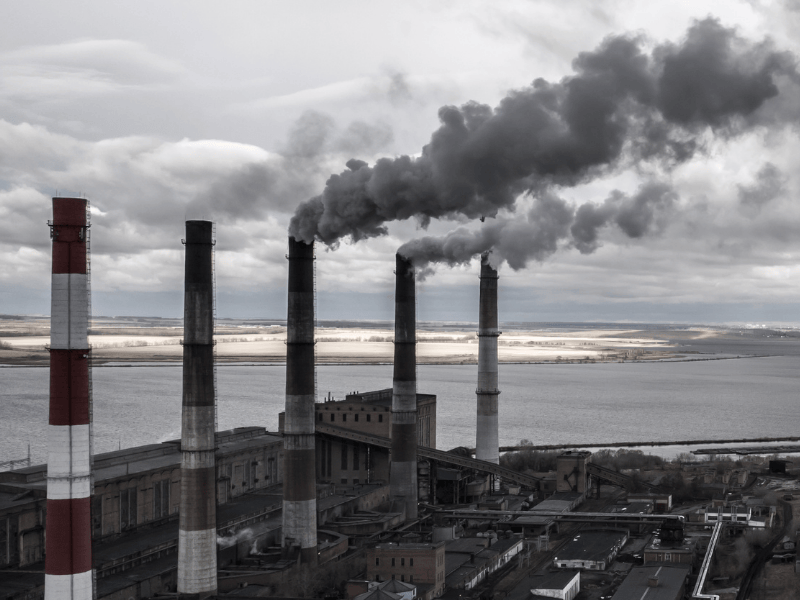
The reliance on coal as an energy source in the United States poses significant environmental challenges. Its combustion contributes to a multitude of issues, ranging from air quality degradation to health concerns for the general population. The extensive impact on land through degradation, and the perilous contamination of water resources, further exemplifies the adverse effects of coal usage. As the nation grapples with these consequences, understanding these environmental impacts is crucial for aligning sustainable energy strategies with ecological health goals.
Air Quality and Health Concerns
Coal usage has a profound impact on air quality, primarily due to emissions of harmful pollutants such as sulfur dioxide (SO2), nitrogen oxides (NOx), and particulate matter. These emissions contribute significantly to the formation of smog and acid rain, leading to deteriorating air quality, particularly in regions heavily reliant on coal-fired power plants. The WHO has acknowledged that poor air quality is a major public health risk, linked to respiratory and cardiovascular diseases. The small particles in coal emissions can penetrate deep into the lungs and bloodstream, aggravating chronic respiratory conditions such as asthma and leading to increased mortality rates. Furthermore, mercury emissions from coal combustion present another grave concern, as this toxic element is known to accumulate in the food chain, posing risks to human health, particularly affecting fetal development during pregnancy.
Addressing these health risks involves both technological and policy interventions. The deployment of cleaner coal technologies, such as flue-gas desulfurization and selective catalytic reduction, can significantly reduce the release of harmful emissions. However, these solutions require substantial investment and regulatory support. Policymakers have implemented various legislative measures such as the Clean Air Act to control air pollution, yet compliance and enforcement remain challenging. The ongoing transition to cleaner energy sources promises a reduction in these emissions, but the role of coal in the energy mix continues to place a strain on air quality mitigation efforts.
The social implications of coal emissions are profound, often disproportionately affecting low-income communities living in close proximity to coal plants. These areas face higher exposure to pollutants and lesser access to healthcare services, exacerbating health disparities. Public awareness campaigns and community engagement are critical in spurring grassroots advocacy for cleaner air. As the United States seeks to shift its energy portfolio towards sustainable solutions, achieving significant improvements in air quality and public health remains an ongoing struggle, intertwined with the broader narrative of coal’s environmental impact.
Land Degradation and Water Contamination
Coal mining activities result in significant land degradation, which disrupts ecosystems and affects biodiversity. The extensive removal of topsoil and vegetation in strip mining operations leads to habitat destruction, soil erosion, and a loss of agricultural productivity. Open-cut mines often alter the original landscape to such an extent that ecological recovery is challenging, even after mine closures. Reclamation efforts, necessary to restore mined land, are often costly and time-consuming, and the success rates vary considerably. As the United States tries to balance energy demands with conservation, these degradation issues highlight the need for more sustainable mining practices.
Water contamination is another critical issue associated with coal usage that cannot be overlooked. Coal mining and combustion result in the release of toxic substances like mercury, lead, and arsenic, which can leach into water bodies, compromising aquatic ecosystems and threatening drinking water supplies. Acid mine drainage, a process where sulfide minerals in exposed rock surfaces oxidize and produce sulfuric acid, further exacerbates water quality issues. This highly acidic water can dissolve heavy metals, increasing their concentrations in groundwater and rivers. Communities reliant on these water sources face the risk of exposure to contaminated water, impacting public health and limiting economic opportunities.
Efforts to tackle these impacts include the development of stringent regulatory frameworks that mandate environmental assessments and the implementation of best management practices for mining operations. Initiatives such as the rehabilitation of abandoned coal mines and the introduction of clean water technologies can help mitigate these negative outcomes. Furthermore, transitioning energy production away from coal to less destructive alternatives plays a crucial role in reducing land and water impacts. Policy initiatives like the Clean Water Act aim to protect water bodies from industrial pollutants, but enforcement remains an ongoing challenge. The broader push for renewable energy can alleviate some of coal’s environmental burdens, yet a comprehensive approach that includes responsible mining practices and effective regulation is essential for sustainable land and water management.
Economic Factors Influencing Energy Production
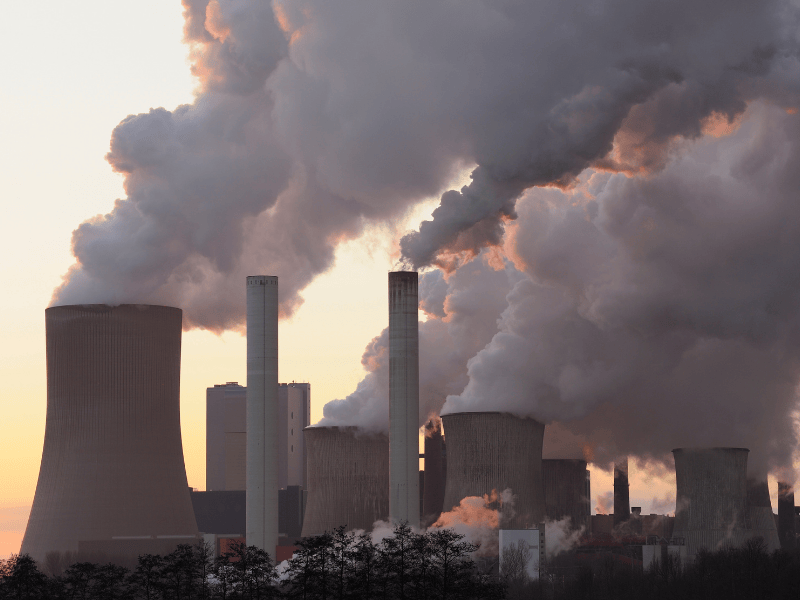
The dynamics of energy production in the United States are becoming increasingly complex, driven by both economic and environmental variables. As the nation grapples with dirty energy’s significant role in its energy mix, key economic factors such as carbon pricing and energy cost comparisons are front and center in discussions. Implementing carbon pricing poses substantial challenges, while the cost differences between clean and dirty energy require thorough comparative analysis. Understanding these factors is crucial for informing policy decisions and guiding the transition towards more sustainable energy solutions.
Challenges of Implementing Carbon Pricing
The idea of carbon pricing has been widely discussed as a potential solution to reduce emissions and combat climate change. However, its implementation faces numerous challenges within the United States’ complex energy landscape. The primary hurdle involves addressing the significant economic impact that carbon pricing would have on industries heavily reliant on dirty energy sources. These industries argue that imposing additional costs would inflate operational expenses, potentially making them less competitive internationally. This has sparked a contentious debate regarding the balance between environmental responsibility and economic viability.
Carbon pricing aims to internalize the external costs associated with carbon emissions, encouraging a shift towards cleaner energy alternatives. But the quantitative analysis necessary to set an effective carbon price, one that would sufficiently incentivize a transition without overburdening industries, remains a critical challenge. Policymakers must consider various factors such as regional economic disparities and the differing energy needs across states. Crafting a one-size-fits-all policy could disadvantage specific sectors or regions reliant on coal and oil, leading to economic disruptions and job losses. These sectoral impacts complicate federal efforts to institute nationwide carbon pricing.
Furthermore, there’s an ongoing debate over the form carbon pricing should take. Options include a carbon tax or cap-and-trade systems, each with unique complexities. A carbon tax provides price certainty but lacks emission reduction guarantees, while cap-and-trade offers emission caps but with price volatility. The design and implementation details affect not only industry compliance but also public acceptance. To gain broader support, especially from stakeholders in coal or natural gas sectors, policymakers must ensure that revenue from carbon pricing mechanisms is reinvested into clean energy technologies and transitioning workers to new industries.
The political landscape in the United States poses additional challenges for adopting carbon pricing. Polarized views on climate policy, along with powerful lobbying from fossil fuel interests, have thwarted efforts to pass comprehensive carbon pricing legislation. Historic precedents such as the failure of the Waxman-Markey bill serve as reminders of the political hurdles involved. The success of these policies hinges on fostering bipartisan support, which requires demonstrating the economic benefits of reduced emissions, such as improved air quality and public health, while mitigating the adverse effects on energy prices and industrial competitiveness.
Comparative Cost Analysis of Clean vs. Dirty Energy
The comparative cost analysis between clean and dirty energy forms a pivotal part of the discussion surrounding the energy transition in the United States. The operational costs of dirty energy, characterized mainly by fossil fuels such as coal and oil, remain a considerable factor influencing energy production decisions. While traditionally seen as the cheaper option, the true cost must account for externalities such as environmental degradation and health impacts. Through a quantitative analysis of these factors, the economic landscape is reshaped to reflect more accurately the disparity between perceived and actual costs.
Subsidies have historically offset some operational costs associated with fossil fuels, maintaining their competitive advantage over cleaner alternatives. However, as governmental policy shifts to incentivize renewable energy, these subsidies are gradually being re-evaluated. This shift in financial support directly impacts the comparative cost, making clean energies like solar and wind more financially attractive. The cost of solar photovoltaics and wind energy has experienced a significant decline, driven by technological advancements and increasing economies of scale. Unlike fossil fuels, renewable energy sources benefit from stable and predictable operational costs since their fuel, sunlight and wind, is free.
Investments in clean technology infrastructure are accelerating, propelled by both governmental incentives and private sector commitments. These investments play a crucial role in reducing the cost of renewable energy. Additionally, the potential operational cost savings derived from the lower maintenance costs of renewable projects, compared to those associated with aging coal plants or volatile oil markets, further amplify this trend. The financial benefits also extend to mitigation of emissions, which reduce carbon footprints and align companies with stricter regulatory frameworks focused on lowering carbon emissions.
Another dimension of the comparative cost analysis involves environmental and social costs. Dirty energy production is accompanied by significant emissions of pollutants, contributing to health problems and environmental damage. Quantitative analysis that includes these external costs often reveals that clean energy can offer substantial savings in terms of health protection and climate mitigation. These savings encompass reductions in healthcare costs attributable to pollution-related illnesses and investments required for environmental cleanup and restoration. Recognizing these hidden costs shifts the calculus of energy economics towards cleaner options.
In conclusion, while dirtier energy options may present lower direct operational costs initially, a comprehensive assessment inclusive of externalities illustrates a different narrative. As renewable technologies mature and policies continue to shift subsidies away from fossil fuels, clean energy not only becomes more competitive but increasingly essential for sustainable economic growth. Policymakers and the energy sector must collaboratively prioritize investment in and development of cleaner energy infrastructures to overcome existing economic barriers and foster a more resilient and sustainable energy ecosystem.
Policy and Regulatory Developments
The shift in energy policy and regulatory developments in the United States is crucial for the transition from fossil fuels to renewable energy. The government has increasingly recognized the need for sustainable energy solutions, implementing a variety of incentives to promote renewable energy development. These policies not only influence the adoption of cleaner energy sources but also have profound implications for the fossil fuel industry. As the nation navigates the complex energy landscape, understanding the intricate balance of incentives and regulatory impacts is essential for crafting future strategies.
Government Incentives for Renewable Energy
The United States government employs a range of incentives to catalyze the adoption of renewable energy, reflecting broader policy goals aimed at reducing dependency on fossil fuels. These incentives are a cornerstone of the country’s strategy to transition towards a more sustainable energy future and include financial, regulatory, and market-based mechanisms designed to bolster the renewable sector’s growth. As a way to mitigate the environmental impact of dirty energy sources like coal and oil, these incentives have become increasingly crucial in the current energy discourse.
At the forefront of government incentives are tax credits and subsidies that lower the cost barriers for renewable energy projects. The Investment Tax Credit (ITC) and the Production Tax Credit (PTC) are pivotal, directly reducing the financial burden for developers of solar and wind energy projects. These credits encourage investment by enhancing the economic viability of renewable projects compared to traditional fossil fuel energy. By offering tax relief for the construction and operation of clean energy facilities, these mechanisms help level the playing field, offsetting some advantages long held by fossil energy through historical subsidies.
Moreover, government initiatives also extend into the realm of regulatory incentives that ease permitting processes and provide grid access for renewable installations. Simplifying regulatory hurdles is critical in facilitating the rapid deployment of solar and wind projects, which can otherwise be bogged down by lengthy bureaucratic procedures. Policies promoting grid modernization are also instrumental in accommodating the variable nature of renewable energy and ensuring efficient energy distribution. These infrastructural upgrades are necessary to support the anticipated increase in renewable energy contributions to the national grid, allowing smoother integration of solar and wind power.
On a broader scale, the government has introduced market-based mechanisms, such as Renewable Portfolio Standards (RPS) and carbon pricing strategies, to stimulate the demand for clean energy. By mandating that a certain percentage of electricity supply come from renewable sources, our policies increase market certainty and drive investments in renewable technologies. Such frameworks emphasize the growing role of renewable energy in national energy policy, signaling a commitment to reduce greenhouse gas emissions and transition away from fossil fuels.
Critically, these incentives contribute to scaling up renewable energy deployment, accelerating the pace at which these technologies become more cost-competitive. As economies of scale are achieved with increased utility and commercial adoption, the cost of renewable energy technologies continues to fall, benefiting from technological advancements and increased efficiency. This dynamic not only boosts the economic case for renewables but also aligns with policy aims of fostering innovation and reducing environmental impacts.
Government incentives play an indispensable role in shaping the energy landscape by reducing financial and regulatory barriers for renewables. As the United States seeks to balance its energy policy with sustainable development goals, these incentives ensure that clean energy can expand rapidly, offering a viable solution to the environmental challenges posed by traditional fossil fuels.
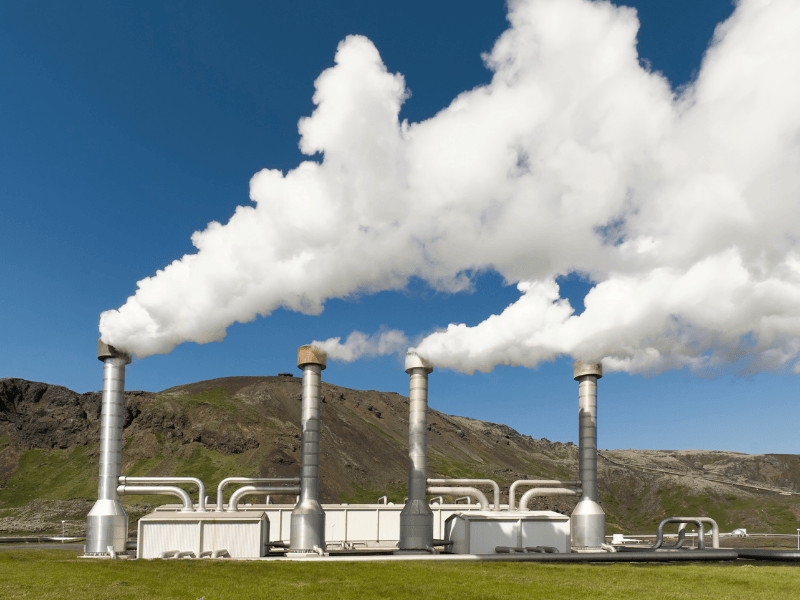
Impact of Regulations on Fossil Fuel Industries
The regulatory landscape in the United States exerts a profound impact on fossil fuel industries, defining the parameters within which these industries operate. Increased governmental focus on environmental protection and emission reduction has resulted in a suite of regulations aimed at curbing the negative impacts associated with fossil fuels. These regulatory developments often present both challenges and opportunities for fossil fuel industries as they navigate compliance with stricter environmental standards.
Regulatory actions such as the Clean Air Act and the introduction of carbon pricing mechanisms are examples of the federal government’s approach to aligning the fossil fuel sector with broader environmental objectives. These regulations often impose stringent limits on emissions, compelling industries reliant on coal, oil, and natural gas to seek ways of reducing their environmental footprints. Compliance with such measures requires significant investment in cleaner technologies, elevating operational costs and challenging the economic viability of existing fossil fuel infrastructures.
For coal industries, regulations targeting emissions of sulfur dioxide, nitrogen oxides, and mercury are particularly impactful. These pollutants are major contributors to air quality degradation and present substantial health risks. As a result, coal-fired power plants must invest in advanced pollution control technologies, such as flue-gas desulfurization and selective catalytic reduction systems, to meet regulatory standards. The capital expenditure associated with these technological upgrades can be prohibitive, driving some operators to prematurely retire coal plants, especially when weighed against the decreasing cost of cleaner energy alternatives.
Similarly, the oil and natural gas sectors face regulatory challenges intended to minimize methane emissions through new standards for drilling operations and refining processes. Given that methane is a potent greenhouse gas, even small reductions can have substantial climate benefits, prompting regulatory focus. Compliance with these regulations requires adopting leak detection and repair technologies, which again incur higher costs and necessitate operational shifts in the industry.
Notably, these regulations also create avenues for innovation and market adaptation within fossil fuel industries. The challenge of adhering to environmental standards spurs technological advancement, encouraging industries to develop and implement cleaner processes. For instance, the natural gas sector has seen investments in technologies that reduce methane leakage and improve extraction efficiency. These innovations can enhance the competitiveness of cleaner fossil fuels relative to both dirtier alternatives and increasingly cost-effective renewable energy sources.
However, the transition remains fraught with complexities. Regulatory uncertainty can deter investment, as industries are reluctant to commit resources amidst evolving policy landscapes. This uncertainty is exacerbated by political fluctuations that influence the stringency and enforcement of environmental regulations. The role of lobbying by vested interests in shaping regulatory outcomes further complicates the policy landscape, underscoring the need for consistent and transparent regulations that provide clear direction for the fossil fuel sector.
Overall, while regulatory developments pose significant challenges to fossil fuel industries, they also drive the sector towards innovation and improved environmental performance. As the United States continues to prioritize sustainability, the regulatory framework serves as both a catalyst for change and a critical determinant of the future energy landscape. By enforcing compliance with environmental standards, regulations not only mitigate the adverse impacts of fossil fuels but also foster a more resilient and adaptive energy sector. This ongoing evolution underscores the broader policy efforts aimed at transitioning to a cleaner energy future.
Addressing the quantitative concerns surrounding dirty energy in the U.S. requires a comprehensive approach that includes policy innovation, investment in clean alternatives, and public advocacy. By mitigating the environmental and health impacts associated with fossil fuel dependence, there is a significant opportunity to drive economic growth, create sustainable jobs, and enhance national security. Stakeholders from government entities, private sectors, and communities must collaborate to create actionable strategies that will transition the U.S. towards a cleaner, more sustainable energy future while addressing the quantitative challenges that dirty energy currently presents.