Propane, sometimes known as liquefied petroleum gas (LPG), is widely used throughout the United States and many other regions. It serves as a fuel for heating, cooking, vehicle engines, and various industrial processes. Many consider it a cleaner option compared to diesel or coal. Still, there are questions about whether propane counts as a greenhouse gas and how it factors into efforts to reduce overall emissions.

Role of Propane in Climate Discussions
Propane emerges from two main sources: crude oil refining and natural gas processing. Stored under pressure in a liquid state, it vaporizes at normal atmospheric conditions, making it easy to transport in pressurized tanks. It burns cleanly, creating lower amounts of soot, sulfur dioxide, and nitrogen oxides than heavier fuels. Yet it is not emission-free: burning propane yields carbon dioxide (CO₂), a key driver of global warming.
Key Advantages
- Cleaner-burning profile: Propane combustion releases fewer pollutants like particulate matter, sulfur dioxide, and nitrogen oxides.
- High energy density: Measured in British thermal units (BTUs), propane stores a substantial amount of energy in a relatively compact form.
- Fewer spills or leaks to soil/water: Any accidental release vaporizes quickly, typically causing less environmental harm than oil or gasoline spills.
Primary Limitations
- Fossil-based origins (unless renewable): Conventional propane is still a byproduct of oil or gas operations, so it is linked to overall fossil fuel dependence.
- CO₂ output: It emits carbon dioxide upon combustion, contributing to greenhouse gas totals, even if at lower levels than coal or diesel.
- Not zero-carbon: Though lower in emissions than many alternatives, it still adds to overall climate burdens.
Understanding Greenhouse Gases
A greenhouse gas absorbs and radiates heat in Earth’s atmosphere. The University of Oxford researches greenhouse gas removal methods, which involve this absorption and radiation of heat. Common examples include CO₂, methane (CH₄), and nitrous oxide (N₂O). Raw propane (C₃H₈) can also trap heat if it escapes unburned into the air, though it has a lower global warming potential than methane. The main concern with propane, however, is its CO₂ output when burned.
Is Propane Itself a Greenhouse Gas?
In general usage, propane becomes a greenhouse concern once combusted. It also matters whether any leaks occur. Although safety measures are robust, unburned propane escaping in large quantities would still contribute to warming. Proper infrastructure and tank inspections minimize the chance of leaks, so the bulk of its warming effect stems from carbon dioxide generated during normal use.
Emissions Profile of Propane
Coal, diesel, and gasoline each have distinct carbon intensities. Propane tends to produce fewer CO₂ emissions per unit of energy delivered than these heavier fuels. It also emits less carbon monoxide and fewer volatile organic compounds than gasoline. The exact difference hinges on technology, equipment maintenance, and operational practices.

Combustion Products
- Carbon Dioxide (CO₂): The biggest contributor to climate change. Propane emits CO₂ but typically less than higher-carbon fuels for the same amount of heat.
- Water Vapor (H₂O): A byproduct that does not directly degrade air quality.
- Trace pollutants: Lower levels of nitrogen oxides, sulfur dioxide, and carbon monoxide relative to many fossil fuels.
These properties have led regulatory authorities like the U.S. Environmental Protection Agency (EPA) and the Intergovernmental Panel on Climate Change (IPCC) to list propane as a lower-emission fuel, though not a zero-emission source.
Comparison with Other Fossil Fuels
Propane’s emissions must be understood in relation to fuels like coal, gasoline, and diesel:
- Coal: Produces the highest CO₂ output of major fossil fuels, along with heavy metals (e.g., mercury) and substantial particulate matter.
- Gasoline: Dominant in passenger vehicles. Generates higher amounts of carbon monoxide, volatile organic compounds, and greenhouse gases per mile in older or poorly maintained vehicles.
- Diesel: Efficient in large engines but emits significant particulate matter and nitrogen oxides, plus higher carbon intensity overall compared to propane.
By using propane instead of coal or heavy oils, some sectors reduce their greenhouse gas footprint. Although a switch to propane will not eradicate emissions, it often leads to lower carbon dioxide and fewer air pollutants.
Propane in Transportation
Many fleet operators power vehicles with propane autogas. Delivery vans, buses, and municipal trucks stand out as prime examples:
- Reduced Air Pollutants: Autogas generally cuts particulate matter and nitrogen oxides, improving urban air quality.
- Cost Effectiveness: Propane can cost less per gallon than diesel or gasoline, and it may require less engine maintenance.
- Growing Infrastructure: More fueling stations cater to propane fleets, while on-site refueling options can simplify logistics.
This shift helps regions comply with the Clean Air Act by cutting smog-producing compounds. Although propane vehicles still emit CO₂, the overall climate impact is often lower than with older diesel engines.
Safety, Storage, and Handling
Propane is stored as a liquid under pressure. This setup streamlines transport in cylinders or bulk tanks. When pressure is reduced, propane vaporizes for use in heating systems, stoves, grills, or engines. Key considerations:
- Odorization: Ethyl mercaptan is added so leaks can be detected by smell.
- Leak prevention: Regular checks of valves, hoses, and tanks reduce accidental emissions.
- Rapid Vaporization: Spilled propane disperses quickly in air. Liquid diesel or gasoline can contaminate soil or water.
Despite these safety advantages, caution is essential: propane is heavier than air, so in enclosed spaces, leaks may accumulate near floors. Monitoring systems and proper ventilation help prevent accidents.

Propane Emissions and the Clean Air Act
The Clean Air Act aims to limit harmful pollutants like nitrogen oxides, sulfur dioxide, particulate matter, and ground-level ozone. Propane’s lower production of these substances supports cleaner air. It emits less NOx than diesel or gasoline and has minimal sulfur content, which benefits areas that struggle with acid rain or ozone smog.
Propane does contribute to overall greenhouse gas totals, but it often stays below the thresholds some regions set for heavily polluting fuels. As a result, incentives or grants may exist for adopting propane systems in non-attainment areas where air quality lags behind federal standards.
Renewable Propane
An emerging trend involves producing propane from organic and waste materials instead of fossil sources. This “renewable propane” mirrors conventional propane in chemical structure and performance but carries a smaller life-cycle carbon footprint.
Pros
- Lower net CO₂: Waste and biomass feedstocks absorb carbon during growth, balancing some combustion emissions.
- Drop-in compatibility: It can use the same tanks, pipelines, and appliances as traditional propane.
- Potential for wide adoption: Ideal for existing propane infrastructure, particularly in areas without extensive natural gas networks.
Current Challenges
- Limited supply: Large-scale production remains modest, though interest is growing.
- Production cost: Often higher than conventional propane.
- Logistical hurdles: Sourcing and refining waste feedstocks requires specialized facilities.
Renewable propane could give rural or off-grid users a greener path while retaining the reliability of LPG. As production volumes rise, costs may decline, making this fuel more accessible.
Maximizing Energy Efficiency
Regardless of fuel choice, efficient technologies and responsible usage reduce emissions. With propane:
- High-efficiency furnaces and water heaters: Burn less fuel to produce the same heating output, lowering total CO₂.
- Tankless water heaters: Heat water on demand, cutting idle energy waste.
- Better insulation and sealing: Limit heat loss, so propane-fueled systems run less often.
- Appliance upgrades: Modern stoves, space heaters, and commercial equipment optimize combustion for fewer pollutants.
Routine inspections also matter. A well-maintained system guards against leaks or incomplete combustion, improving safety, air quality, and cost savings.
Environmental Impact on Land and Water
Any fossil-based combustion contributes to greenhouse gases that affect global climate. However, propane emits fewer ancillary pollutants that threaten land and water quality. For example, major diesel spills or coal ash contamination can persist for years. Propane vaporizes rapidly, leaving minimal residue. Key points:
- Lower acid rain potential: Propane releases fewer sulfur compounds, reducing acidic deposition in lakes and forests.
- Reduced particulate emissions: Clearer skies and less soot in local ecosystems.
- Still contributes CO₂: Overall climate impacts remain, albeit less than those of heavier fuels.
Despite these advantages, it is important to note that climate change affects marine life, plant habitats, and weather patterns. Substituting propane in place of coal or diesel can slow emissions growth, but it does not halt it completely.
Tracking Propane in Global Emissions
National regulators, including the EPA, track emissions from residential, commercial, industrial, and transportation uses of propane. It forms a part of official greenhouse gas inventories—smaller than coal or gasoline in many countries but still notable in off-grid or rural regions. Reductions in coal-fired power generation, for instance, can overshadow propane gains, yet every shift away from high-carbon energy contributes to broader climate goals.
Globally, certain regions also face rising demand for cooking or heating fuels where electricity infrastructure is limited. Propane can help reduce indoor air pollution compared to biomass or kerosene. Nonetheless, the overall push is to move toward lower-carbon or zero-carbon energy wherever possible.
Propane’s Health Implications
Cleaner combustion translates to fewer respiratory irritants. When burned properly, propane yields minimal soot and limited NOx. Lower NOx levels help curb ground-level ozone formation, which can harm lung function. Where older diesel engines have caused pollution, propane sometimes eases the strain on local hospitals and public health agencies. However, carbon monoxide poisoning remains possible with any incomplete combustion, making proper ventilation essential.
Commercial and Industrial Use
Various sectors rely on propane for processes that require portable heat or precise temperature control:
- Agriculture: Grain drying, flame weeding, greenhouse heating, and livestock barns. Propane’s portability fits remote fields and facilities.
- Construction: Temporary heaters, power tools, and generators at sites lacking stable grid connections.
- Manufacturing: Some plants use propane for ovens, furnaces, or kilns, leveraging consistent heat with fewer pollutants.
Propane can help companies meet emissions standards and avoid soil or water contamination from fuel spills. As environmental regulations tighten, its cleaner attributes offer a competitive advantage over coal or heavy oil.
Reducing Methane Emissions with Propane
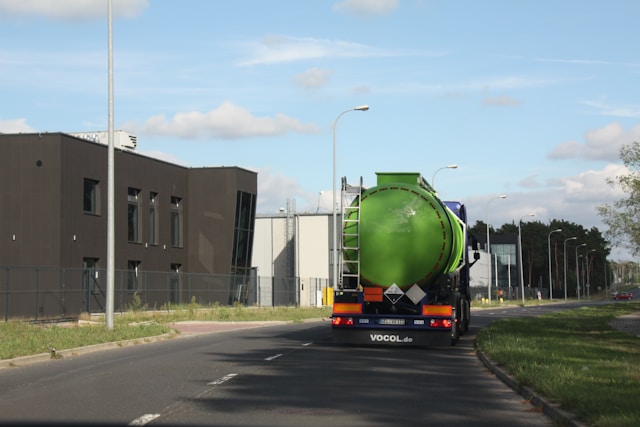
Natural gas systems sometimes suffer from pipeline leaks, sending methane—an extremely potent greenhouse gas—into the atmosphere. Propane, typically distributed by truck or rail and stored locally, has a smaller pipeline footprint. Fewer extended lines can mean fewer large-scale leaks.
That said, propane production is still tied to oil and gas extraction, which can involve methane venting or flaring at drilling sites. Improving wellhead practices lowers overall methane leakage, reinforcing propane’s status as a relatively lower-emission choice if upstream sources adhere to strict controls.

Practical Tips to Lower GHG Footprints
- Use only what’s needed: Smart thermostats, weatherproofing, and mindful energy habits cut consumption.
- Upgrade to modern appliances: More efficient furnaces, stoves, and water heaters extract maximum heat from each gallon.
- Prevent leaks: Regular tank inspections and leak detectors safeguard against wasted fuel and GHG releases.
- Blend with renewables: If solar, wind, or hydropower is available, combine them with propane as backup.
- Adopt renewable propane (where possible): Reduce dependence on fossil-based supply chains.
Each step builds on propane’s strengths while limiting its climate footprint. The result can be a measurable drop in carbon emissions and other pollutants.
Sustainability and Industry Perspectives
Businesses seeking to minimize environmental impacts often adopt propane to replace more polluting options. Fleet conversions to propane or its use in manufacturing can help meet compliance targets under rules like the Clean Air Act. In addition, stable or predictable propane pricing can offer a financial boost.
Global Climate Contributions
Propane alone cannot halt climate change. However, it ranks among the cleaner-burning fossil fuels and may serve as a transitional option while renewable energy expands. Regions where coal or oil dominate can see marked reductions in CO₂ and air pollutants by moving to propane for heating, cooking, or vehicle fleets. Long-term climate stabilization requires near-total decarbonization, and propane can fill interim gaps, especially in rural locations that lack extensive power grids or natural gas pipelines.
Key Points on Its Climate Role
- Short-term bridge: Lowers emissions compared to dirtier fuels.
- Improved air quality: Helps meet local clean-air standards.
- Compatible infrastructure: Existing propane distribution can scale more quickly than building new pipelines.
- Ongoing reliance on fossil input: Conventional propane is not fully renewable unless sourced from biomass or waste.
Drawbacks and Challenges
- Price volatility: Tied to oil and gas markets, propane can fluctuate in cost.
- Infrastructure changes: Switching fleets or industrial equipment to propane may require new fueling stations, staff training, or retrofitting.
- Still emits CO₂: Less than coal or diesel, but not zero.
- Supply chain issues: Relies on petrochemical processes unless it is renewable propane, which remains limited.
Recognizing these factors keeps expectations realistic. Propane can reduce emissions in certain scenarios, but deeper decarbonization requires a broader shift toward renewable power sources over time.
Future Low-Carbon Opportunities
Propane may remain relevant in a decarbonizing world if innovations address its fossil origins:
- Cleaner extraction: Minimizing methane and other emissions at drilling or refining sites.
- Renewable production: Expanding waste-based or biomass processes to scale up renewable propane.
- Carbon capture techniques: Capturing CO₂ at industrial facilities that rely on propane.
- Hybrid systems: Combining propane generators with solar panels, battery storage, or hydrogen to boost sustainability.
Some researchers also examine propane-hydrogen blends or specialized fuel cells for higher efficiency. These approaches could further reduce emissions and maintain propane’s convenient, high-energy-density benefits.
Residential and Commercial Adoption
Many off-grid homes use propane for space heating, cooking, and water heating. Commercial operations select it for its portability and clean output. Examples:
- Backup power: Standby generators fueled by propane can outperform gasoline equivalents in reliability and runtime.
- Cooking: Propane stoves offer strong heat control, and restaurants sometimes rely on them as an alternative to natural gas lines.
- Space heating: Efficient furnaces help reduce carbon footprints and heating costs, especially in colder climates without widespread utility services.
Implementing advanced insulation, regular maintenance, and energy audits further magnifies propane’s advantages while minimizing net emissions.
Linking Propane to Carbon Offsets
Some businesses and households try to balance their carbon output by purchasing offsets or investing in climate-friendly projects. Although offsets do not physically reduce on-site emissions, they support emissions reductions elsewhere, such as funding reforestation or methane capture from landfills. When combined with efficient propane equipment and usage habits, offsets can help shrink net climate impact.
Emerging Research Areas
Several ongoing research streams could refine how propane fits into future energy mixes:
- Propane-hydrogen blends: Lower overall carbon content if hydrogen is green or low-carbon.
- Fuel cell technology: Directly converting propane to electricity without standard combustion could boost efficiency, though challenges remain.
- Advanced microgrids: Integrating propane generators with solar or wind can ensure stable power while minimizing fossil fuel consumption.
Such projects keep propane in the conversation about clean fuels, reinforcing its potential as an interim or complementary option alongside renewables.
Overall Outlook
Propane’s cleaner-burning profile, high energy density, and established infrastructure position it as a valuable alternative to fuels like coal, diesel, and heating oil. It can reduce greenhouse gases in the near term, especially in places lacking natural gas pipelines or struggling with power reliability. Still, it is not entirely free of emissions: carbon dioxide and other byproducts enter the atmosphere whenever propane burns.
Greater adoption of renewable propane could enhance its climate benefits, and continuous technological improvements may further shrink propane’s carbon footprint. In the meantime, it remains a practical resource that offers fewer emissions of sulfur dioxide, particulate matter, and nitrogen oxides. When combined with efficiency measures, leak prevention, and wise usage, propane can serve as a dependable energy solution that cuts pollution relative to more carbon-intensive fuels.