A breakthrough in sustainable air purification emerges from Sweden
Air pollution has long been considered an unavoidable cost of industrialization and modern living. But with 99% of the global population exposed to air that fails to meet World Health Organization (WHO) guidelines, the stakes are rising. Each year, more than seven million deaths are attributed to poor air quality, with indoor environments presenting the greatest risks. People spend an estimated 90% of their lives indoors, where pollutant levels can be two to five times higher than outside.
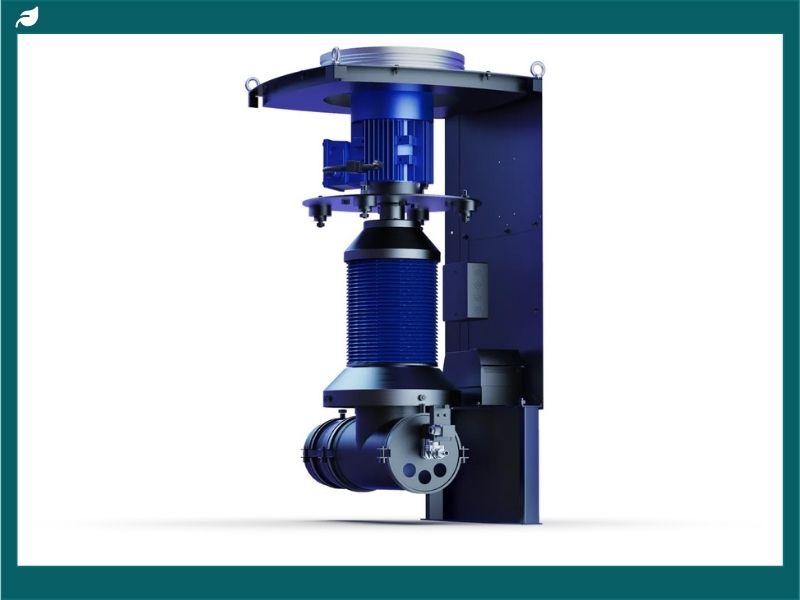
Against this backdrop, Swedish start-up CLER has unveiled what it calls the world’s first self-cleaning, filter-free air-filtration system. Officially launched in Stockholm on August 26, 2025, the innovation promises to shift the paradigm of how businesses and institutions approach air quality—both in terms of health impact and environmental responsibility.
A new approach to clean air
Unlike conventional HVAC systems that rely on disposable filters, CLER’s patented solution eliminates filters altogether. Instead, it uses a self-cleaning process that the company claims delivers up to 90% cleaner air than traditional systems.
The implications go beyond efficiency. According to CLER, the system is 85% more sustainable than filter-based alternatives, thanks to the elimination of filter waste, the absence of chemicals in the cleaning process, and an estimated 30% reduction in energy use.
Operating costs are also expected to fall dramatically. CLER projects at least a 60% cut in running expenses, given the lack of filter replacement, lower energy consumption, and zero maintenance requirements.
Voices from the field
Tommy Myrvang, Founder & CEO of CLER and former Global Head of R&D at Alfa Laval, describes the company’s mission in unequivocal terms:
“Clean air should not be a luxury. Our technology makes it possible for every company to for the first time produce clean air in line with WHO’äs guidelines. Not just better air but also to a lower cost and without any waste – To summerize: CLER will provide cleaner air, for more people, in more places, at a fraction of the price.”
This framing highlights CLER’s dual ambition: democratizing access to high-quality air while reducing the environmental and financial burdens of conventional filtration.
Connecting to sustainability trends
Air quality has become a pressing issue in sustainability discussions, not only for health reasons but also for its impact on corporate environmental, social, and governance (ESG) strategies.
- Corporate sustainability reporting: As disclosure frameworks such as the EU’s Corporate Sustainability Reporting Directive (CSRD) expand, companies are increasingly expected to account for workplace health and environmental footprint. CLER’s system could provide measurable improvements on both fronts.
- Circular economy principles: Eliminating filter waste aligns with circular economy goals, reducing reliance on disposable materials and minimizing landfill contributions.
- Energy efficiency: With energy use contributing heavily to operational emissions, CLER’s 30% reduction in consumption is significant. For energy-intensive sectors, even small efficiency gains can translate into substantial cost and carbon savings.
Industry analysts note that indoor air quality is often a “hidden variable” in sustainability discussions. While businesses have focused heavily on energy, waste, and water, the direct health impacts of air pollution are beginning to receive more attention, particularly after the COVID-19 pandemic underscored the importance of safe indoor environments.
A global health and business opportunity
If CLER’s claims hold true at scale, the market potential is considerable. According to the International Energy Agency (IEA), heating, ventilation, and air conditioning systems account for nearly 20% of global building energy use. A technology that cuts energy demand while addressing a top public health issue could attract adoption across commercial real estate, manufacturing, healthcare, and education sectors.
Sustainability experts also point to the broader societal benefits. Reducing indoor pollutants can lower healthcare costs, increase workforce productivity, and improve overall well-being. In emerging markets, where infrastructure challenges often make clean indoor air harder to secure, affordable solutions could have transformative impacts.
Looking ahead
The launch of CLER’s self-cleaning air-filtration system marks an important step in rethinking how businesses manage indoor air quality. While independent third-party testing and long-term field data will be critical to validating the company’s claims, the innovation reflects a broader shift in sustainability: integrating health outcomes with environmental and economic performance.
As policymakers tighten regulations and organizations seek to align operations with global climate and health goals, solutions that cut costs while improving quality of life stand to gain traction quickly. For CLER, the challenge now will be to move from an ambitious launch to widespread adoption—turning patented technology into everyday practice.