A storm surge is an abnormal increase in seawater level, typically resulting from intense storms such as hurricanes and typhoons. High winds and low atmospheric pressure drive ocean water onto shorelines, inundating low-lying areas.
The resulting impacts include extensive property damage, coastal erosion, and significant risks to human life and infrastructure. Comprehensive understanding of storm surge dynamics is essential for enhancing coastal resilience and preparedness, thereby reducing risks and protecting vulnerable populations.

Understanding What is a Storm Surge
Storm surges present substantial risks to coastal regions, frequently occurring alongside tropical cyclones and hurricanes. Characterized by an abnormal rise in seawater, storm surges test the resilience of coastal communities.
Scientific organizations, including the National Oceanic and Atmospheric Administration (NOAA), highlight the necessity of understanding storm surges to improve prediction and mitigation efforts for both ecosystems and human settlements. Examining the formation and effects of storm surges enables communities to strengthen preparedness strategies.
This section addresses the definition of storm surges and their significant impacts on coastal areas, emphasizing the need for readiness and adaptability.
Defining the Phenomenon
A storm surge occurs when severe winds during hurricanes or tropical cyclones generate a significant rise in seawater levels. Unlike typical tidal fluctuations, storm surges represent an unusual and often destructive increase in sea level.
The National Oceanic and Atmospheric Administration (NOAA) defines a storm surge as an abnormal rise of water resulting from atmospheric pressure changes and strong winds associated with storms. This phenomenon can cause rapid flooding, damaging marine environments and coastal infrastructure.
Factors such as storm intensity, speed, trajectory, and coastal topography influence surge severity. The abnormal water rise may precede storm landfall by several hours, complicating preparedness for affected populations.
Understanding storm surge mechanisms supports the development of predictive models and emergency response plans, which are essential for minimizing impacts on vulnerable coastal communities.
Effects on Coastal Areas
Storm surges cause extensive damage to coastal areas, particularly in low-lying regions vulnerable to flooding. Surge-induced flooding can submerge large areas, destroy homes, displace populations, and disrupt local economies.
The impact is often intensified by high tides and wind-driven waves. Critical infrastructure, including roads, bridges, and marine facilities, faces significant risk, resulting in costly repairs and prolonged disruptions.
Economic losses extend to commercial activities dependent on marine and coastal resources. Environmental consequences include coastal erosion, habitat loss for marine and terrestrial wildlife, and increased pollutant runoff into the ocean.
Mitigation strategies focus on strengthening coastal barriers, utilizing natural buffers such as mangroves, and reinforcing infrastructure. Comprehensive emergency preparedness programs are essential for reducing the adverse effects of storm surges on coastal populations.
Factors Contributing to Storm Surges
The intensity and impact of storm surges are influenced by a complex interplay of natural elements, including weather patterns and hurricane dynamics. Understanding the varying factors that contribute to these dramatic rises in sea levels can significantly aid in accurate forecasting and effective mitigation strategies.
As storms intensify and their path becomes more erratic due to climate change, identifying the key contributors to storm surges becomes more crucial. This section delves into the pivotal role weather patterns and hurricanes play in shaping storm surges, as well as their broader impacts on coastal regions.
How Weather Patterns Influence Surges
Weather patterns significantly influence storm surge characteristics. Major factors include storm winds, atmospheric pressure changes, and tidal movements, which interact to produce elevated water levels.
The alignment of cyclones with tidal peaks can intensify storm impacts, particularly when a tidal crest coincides with a tropical cyclone. The trajectory and strength of storm winds further amplify surge effects by driving large volumes of water toward the coast, sometimes transforming minor increases into severe flooding.
Surge prediction models, which rely on tide gauge data, are essential for forecasting and understanding these events. Accurate, location-specific forecasts are critical for community preparedness.
As climate change intensifies weather variability, the capacity to monitor and predict storm surge impacts becomes increasingly important.
Analyzing the relationship between weather patterns and storm surges provides valuable insights into their formation and impact:
- Impact of wind direction and speed on surge height: The force and direction of wind can significantly elevate seawater levels, amplifying surge heights. Winds blowing directly toward the shore are particularly influential.
- Role of atmospheric pressure in pushing seawater toward the shore: Decreased atmospheric pressure during storms allows sea levels to rise, contributing to higher storm surge levels.
- Interaction between tidal phases and storm timing: The timing of storms relative to tidal cycles can magnify surge effects, with high tides exacerbating the potential for coastal flooding.
- Influence of storm trajectory on surge distribution across coasts: The path a storm takes determines which coastal areas are most affected by surges, with changes in trajectory altering distribution patterns.
- Effects of seasonal weather variations on surge patterns: Seasonal shifts, like monsoons and hurricanes, can trigger variations in surge patterns due to changes in prevailing weather systems.
- Use of historical tide data in surge prediction models: Analyzing past tide events helps inform models, enhancing the accuracy of predictions and preparedness strategies for incoming storms.
- Importance of real-time data in adjusting surge forecasts: Continuous data updates enable more precise surge forecasts, allowing communities to respond effectively to storm threats.
These factors illustrate the complexity of storm surge dynamics and underscore the need for comprehensive approaches to understanding and mitigating their impacts.
Role of Hurricane Events
Hurricanes, especially those classified as Category 3 or higher on the Saffir-Simpson Hurricane Scale, significantly influence storm surge dynamics. The destructive potential of a storm surge is closely related to hurricane intensity, with stronger storms generating more severe surges.
These tropical systems, defined by intense winds and low atmospheric pressure, disrupt ocean surfaces and cause abnormal sea level rises. The path and speed of a hurricane further affect surge impacts; fast-moving storms deliver rapid, high-energy impacts, while slower storms prolong flooding.
Understanding hurricane dynamics is essential for accurate surge modeling and effective emergency planning. Enhanced preparedness and timely dissemination of information are critical for protecting vulnerable communities from hurricane-induced storm surges.
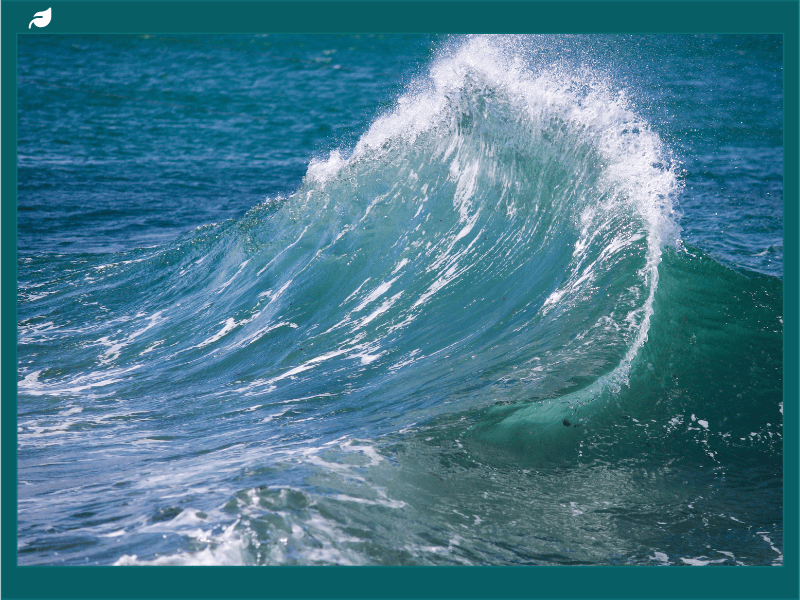
Impacts on Seawater Level and Coastal Communities
Storm surges cause substantial increases in seawater levels, creating significant challenges for coastal communities. These surges can result in catastrophic flooding, especially in low-lying areas, threatening human settlements and natural ecosystems.
Understanding seawater level changes during storm surges and implementing protective measures are essential for mitigating these impacts. This section examines the mechanisms behind seawater level rises and explores strategies to protect coastal regions from surge-related damage.
Changes in Seawater Level During a Storm Surge
Storm surges can cause dramatic increases in seawater levels, often resulting in severe flooding in coastal communities. This rise is primarily driven by strong winds and low atmospheric pressure during storms such as hurricanes and tropical cyclones.
As these systems move across the ocean, they push large volumes of water toward the coast, substantially elevating sea levels. When storm surges coincide with high tides, the resulting storm tide surges can further increase water levels.
Tide gauges monitor these changes, providing essential data for forecasting surge impacts. Surge inundation leads to widespread damage, including flooding, coastal erosion, and infrastructure loss.
Understanding these processes is vital for developing effective mitigation strategies. Agencies such as NOAA continually refine predictive models to improve surge forecasts and support community preparedness.
| Phenomenon Description | Impact on Coastal Communities | Mitigation Strategies | Key Organizations Involved |
| Storm Surge | Flooding and infrastructure damage | Construction of sea barriers and elevated buildings | National Oceanic and Atmospheric Administration (NOAA), local governments |
| Rising Sea Levels | Land loss and increased erosion | Coastal habitat restoration and zoning regulations | Environmental Protection Agency (EPA), The Nature Conservancy |
| High Tides | Periodic flooding in low-lying areas | Development of tide monitoring systems | US Geological Survey (USGS), local municipalities |
| Climate Change Effects | Increased frequency and severity of weather events | Implementation of sustainable urban planning | Intergovernmental Panel on Climate Change (IPCC), city planners |
The following table summarizes the effects of storm surges on seawater levels and details protective measures employed by coastal communities to mitigate these impacts.
Protective Measures for the Coast
Coastal communities employ various protective measures to reduce storm surge damage. Reinforcing natural barriers such as wetlands and mangroves helps absorb wave energy and diminish incoming water force.
Constructing artificial barriers, including seawalls and levees, provides additional protection but requires substantial investment and maintenance. Zoning regulations that restrict development in high-risk areas are essential for minimizing human and economic losses.
Community education and preparedness programs ensure residents are informed and equipped for evacuation and recovery. Agencies such as NOAA supply critical resources and forecasts to support planning and policy.
As climate change alters storm patterns, ongoing refinement of these strategies is necessary to protect coastal populations from surge inundation.
Responding to the Threat of a Storm Surge
Due to the substantial risks associated with storm surges, especially in coastal regions, effective preparedness and mitigation strategies are essential. Coastal communities must implement proactive measures to protect lives and property from rising seawater during storms.
With increasing hurricane activity, understanding and applying these strategies is critical. This section examines preparedness and mitigation approaches, emphasizing the importance of community awareness, the use of surge models, and reliance on NOAA forecasts.
Preparedness and Mitigation Strategies
Effective preparedness and mitigation strategies are essential for addressing the threat of storm surges. A comprehensive approach includes community education and the development of strategic infrastructure defenses.
Educating coastal populations about storm surge hazards and the necessity of timely evacuation is a primary preparedness measure. NOAA forecasts and surge models provide accurate data, guiding communities in disaster preparation.
Regular updates and community awareness initiatives enable residents to respond promptly to potential threats.
Mitigation strategies include physical protections and policy measures to reduce surge impacts. Natural buffers such as wetlands and marine forests absorb surge energy and limit coastal erosion.
Where natural defenses are inadequate, artificial structures like seawalls and levees provide resistance to rising seawater, though they require significant investment and maintenance. Coastal zoning regulations restrict development in vulnerable areas, minimizing destruction and economic loss.
Combined with real-time forecasting technologies, these strategies enhance community resilience.
Community-level planning and policy are essential for effective storm surge management. Incorporating NOAA marine resources and benchmarks such as the Saffir-Simpson Hurricane Scale into emergency strategies enables planners to develop robust coastal protection systems.
Regularly updating readiness plans to reflect technological advances and changing storm patterns ensures the use of current best practices. As climate change intensifies storm threats, strengthening preparedness and mitigation frameworks is vital for protecting coastal populations from increasing storm surges.
Comprehensive understanding of storm surges is essential for mitigating their severe impacts on coastal communities. These events can cause significant flooding and property damage.
As climate change increases the frequency and intensity of storm surges, improved preparedness and adaptive strategies are required. Investments in resilient infrastructure, early warning systems, and public education reduce risks and strengthen community resilience.
Implementing sustainable practices is also necessary to address the broader environmental challenges that exacerbate storm surge impacts.