People often mix up the terms weather and climate, but they are quite different, especially when it comes to time and impact. Weather is what we experience day to day—like temperature, rain, or wind. Climate describes the usual weather patterns in a region over many years. Knowing the difference helps us see how daily weather fits into bigger climate trends, which is important for planning and tackling issues like climate change.

Defining Weather: Short-Term Atmospheric Conditions
Weather shapes what we experience each day, with quick changes in temperature, air pressure, and moisture affecting our surroundings. These shifts can happen fast, like when it suddenly rains or snows. While weather influences our daily plans, it’s different from climate, which looks at long-term patterns. Paying attention to these short-term changes helps us understand how weather works and why it matters in our daily lives.
The Role of Daily Weather in Our Lives
Daily weather significantly influences various facets of human activity, from personal routines to broader economic aspects. At an individual level, short-term weather conditions guide decisions on clothing, recreational plans, and even how we get to work. A sudden cold snap might send us shopping for warmer clothes, while rain or snow can change our plans or slow down our commute. People and businesses adapt to these changes every day.
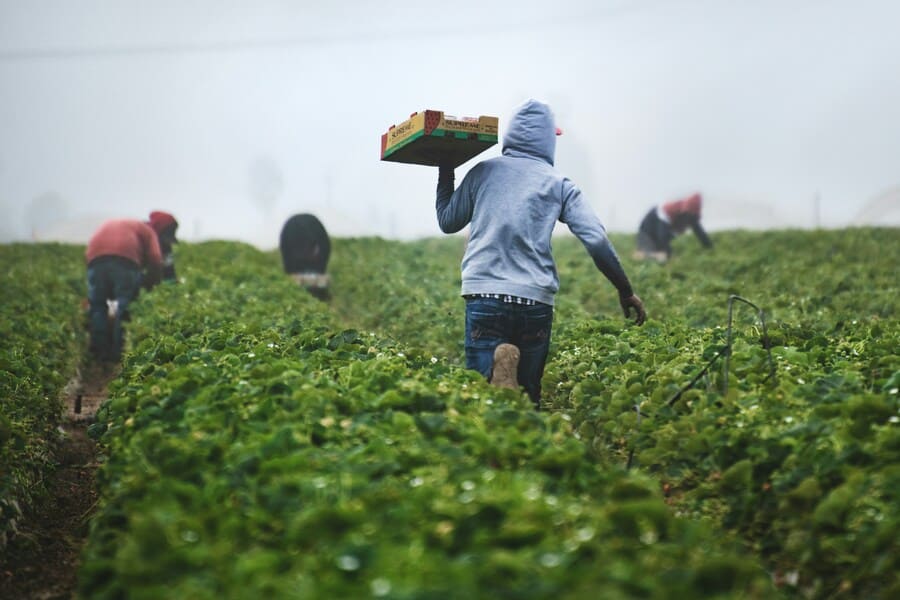
Farmers depend on weather forecasts to decide when to plant or harvest, and unexpected weather can impact crops and prices. In transportation, weather affects how safely and efficiently we can travel, whether by road, sea, or air. Good weather can boost tourism and local businesses, but it can also put a strain on resources if too many people visit at once. Energy companies adjust to changes in demand for heating or cooling based on the weather.
By understanding how weather shifts from day to day, we can plan better and respond to challenges more effectively. Paying attention to weather helps us make smarter choices and stay prepared for whatever comes our way. Plans for potential disruptions in agriculture due to unforeseen weather events are also essential.
- Adapt transportation logistics to ensure safety in adverse weather conditions for all travel sectors.
- Monitor weather-driven tourism trends to optimize local business opportunities and resource allocation.
- Evaluate the impact of weather on supply chain dynamics for strategic risk mitigation.
- Incorporate weather patterns in urban planning for enhanced community resilience and sustainability.
- Invest in technologies that improve weather prediction accuracy, aiding in prompt decision-making.
Reflecting on these points highlights how strategic adjustments can mitigate adverse weather impacts and capitalize on favorable conditions.
Understanding Climate: The Long-Term Perspective
Unlike weather, climate looks at long-term patterns and averages, helping us see bigger environmental trends. Climate is based on data like average temperatures and rainfall collected over many years. These patterns show us how stable conditions affect ecosystems, where people live, and the economy. Understanding climate helps us see why addressing climate change is so important for the world.
| Aspect | Description | Global Effects | Key Examples | Strategic Importance |
| Climate vs. Weather | Climate refers to long-term atmospheric patterns, while weather is short-term conditions. | Determines the habitability of regions and affects agriculture and water resources. | Difference between seasonal monsoons and daily temperature changes. | Essential for planning in agriculture, disaster preparedness, and infrastructure development. |
| Global Patterns | Involves large-scale systems like ocean currents and wind patterns influencing climate globally. | Alters temperature and precipitation distributions, affecting global biomes and human activities. | El Niño and La Niña phenomena, Gulf Stream influence on Europe. | Critical for predicting climate changes and preparing for extreme weather events. |
| Climate Change Impact | Changes in climate patterns due to human activities, leading to global temperature rise. | Leads to more frequent extreme weather, biodiversity loss, and impacts food and water security. | Rising sea levels threatening coastal areas, melting glaciers in polar regions. | Vital for implementing mitigation strategies, reducing carbon emissions, and adapting to changes to protect ecosystems and communities. |
| Rainforest Ecosystems | Rich biodiversity and critical role in regulating the Earth’s climate through carbon sequestration. | Deforestation leads to loss of biodiversity and increased CO2 levels affecting global climate. | Amazon Rainforest losing large areas annually due to deforestation. | Important for preserving biodiversity, climate regulation, and sustainable resource management. |
| Sustainable Management | Strategies aimed at balancing ecological integrity, economic viability, and social equity. | Ensures resources are available for future generations while minimizing environmental impact. | Sustainable agriculture practices, renewable energy adoption. | Imperative for reducing ecological footprint and ensuring long-term economic stability and environmental health. |
This table highlights the complexity of climate interactions and their profound influence on global ecosystems, societies, and economies. Understanding and addressing these relationships is crucial for developing effective climate strategies.
Climate Patterns and Their Global Impact
When we talk about climate, it’s important to remember that it covers long-term patterns, not just daily changes. Climate is made up of average temperatures and rainfall over many years, and these patterns interact across the planet. For example, tropical climates with lots of rain support rainforests, while polar climates with cold temperatures affect sea levels. These climate zones shape where plants and animals live and influence farming, energy use, and even where people settle. As the climate changes, it can affect food production, energy needs, and how communities grow. Understanding these patterns helps us see why managing our resources wisely is so important for the future.
Why Climate Change is a Critical Focus
Climate change has emerged as a pivotal issue, commanding attention due to its comprehensive effect on the planet’s long-term patterns. The phenomenon denotes significant alterations in average weather conditions over extended periods, influencing weather extremes, average temperatures, and shifting precipitation patterns.
The discourse on climate change focuses on understanding its causes, primarily the increase in greenhouse gases, and the profound effect it has on the global climate system. As human activities release more carbon dioxide and methane, the resulting heat trapped in the atmosphere raises global temperatures, altering climate stability. The impacts of climate change are multidimensional, affecting natural systems and human societies alike.
Rising global temperatures lead to more frequent and severe weather events such as heatwaves, storms, and droughts, threatening ecosystems and human settlements. Melting glaciers and ice caps contribute to rising sea levels, posing a threat to coastal communities worldwide. Changes in precipitation patterns can lead to water scarcity in some areas while causing flooding in others, challenging water resource management.
These transformations underline the importance of water management practices and the urgency for comprehensive climate adaptation strategies. Economically, climate change poses significant challenges. Agricultural sectors, heavily reliant on stable climate conditions, face unpredictability that can disrupt crop yields and food supply chains. This instability threatens food security, driving up prices and impacting global markets.
Furthermore, the energy sector must adapt to changing demands as climate-induced conditions affect heating and cooling requirements. These shifts necessitate innovations in sustainable energy solutions and infrastructure that can withstand extreme climate impacts. The international community recognizes the gravity of climate change, prompting collaborative efforts to mitigate and adapt to its consequences.
Initiatives like the Paris Agreement aim to curtail emissions, striving to keep global temperature rise within manageable limits. National and regional policies are increasingly focusing on reducing carbon footprints and promoting renewable energy sources. Climate change is not just a scientific concern but also a catalyst for global policy innovation and cooperation.
Understanding and addressing climate change is more crucial than ever, as it represents a significant threat and an opportunity to transition towards a sustainable future, ensuring the well-being of both the planet and its inhabitants.
Key Differences Between Weather and Climate
Looking at the differences between weather and climate helps us better understand how the atmosphere works. Weather is about short-term changes we notice each day, while climate is about long-term patterns in a region. Knowing this difference helps us see how daily events fit into bigger trends, which is important for both everyday choices and long-term planning.
How Time Frames Distinguish Weather Patterns and Climate
The primary difference between weather and climate lies in the time frames over which they operate. Weather represents the short-term atmospheric conditions that we experience day-to-day, such as rain or sunshine, and can change rapidly even within a single day. In contrast, climate describes the long-term patterns of weather conditions over extended periods, often decades or longer.
These patterns stabilize as average weather data gathered over time, offering a snapshot of the typical conditions expected in a region, an essential distinction that helps in understanding the climate’s broader impact on the Earth’s surface. Weather patterns are influenced by a plethora of factors, including temperature variations, pressure changes, and moisture levels. These fluctuations occur over short periods, often fleeting and influenced by transient phenomena like thunderstorms or frosts.
Hence, weather events are momentary reflections of the atmospheric conditions, prompting immediate, sometimes urgent, responses such as seeking shelter from a storm or adjusting travel plans. Conversely, climate covers a broader temporal scope, with an emphasis on understanding long-term atmospheric conditions and trends. It is not concerned with the day-to-day unpredictability of weather but rather the average conditions that prevail over an extensive duration.
Average temperatures serve as a basic measure when assessing climate, helping in identifying climate patterns that affect ecosystems, establish agricultural norms, and even define societal behaviors. For example, tropical climates are known for their consistently high temperatures and humidity, playing a pivotal role in sustaining rainforests and affecting global carbon cycles.
The long-term nature of climate patterns means they are more predictable than weather, providing valuable insights into potential future conditions. As a result, climate data is crucial for making strategic decisions in industries like agriculture, urban planning, and environmental conservation. The understanding gleaned from studying climate patterns allows for informed discussions about climate change and its implications, as these patterns shift, prompting potential adjustments in how regions manage their landscapes and resources.
In essence, recognizing how time frames separate weather and climate fosters enhanced preparation and strategy formulation, helping mitigate the impacts of unexpected weather events while also adapting to gradual climate changes. This understanding aids in demystifying the complexities of Earth’s atmospheric systems, providing a comprehensive view of how short-term weather influences our immediate lives while climate guides long-term planning and adaptation efforts crucial for a sustainable future.

The Importance of Recognizing These Differences
Knowing the difference between weather and climate is important, especially as climate change affects us all. Weather is about short-term conditions like rain or heat, while climate is about long-term patterns.
Understanding both helps us get ready for events like floods and make better plans for the future. This way, everyone—from individuals to businesses—can find ways to reduce risks and adapt to changes.
Implications for Preparing for and Responding to Flood Events
Understanding how weather and climate differ is key to preparing for floods, which are happening more often as the climate changes. Floods usually come from short-term weather events like heavy rain, but climate tells us about long-term trends in rainfall and temperature.
Using both weather forecasts and climate data helps communities plan better, build stronger infrastructure, and protect people and property. As the climate warms, storms can become stronger and bring more rain, making floods more likely.
By combining real-time weather information with long-term climate planning, cities and regions can take steps like improving drainage, updating building codes, and educating the public to reduce flood risks now and in the future.
Knowing how weather and climate differ is important for talking about environmental issues. Weather is about short-term changes, while climate is about long-term patterns.
Understanding this helps us have better conversations about climate change and make smarter plans for the future. By learning more about these differences, we can all help build a more sustainable world.