Unpredictable Patterns Threaten UK Agriculture
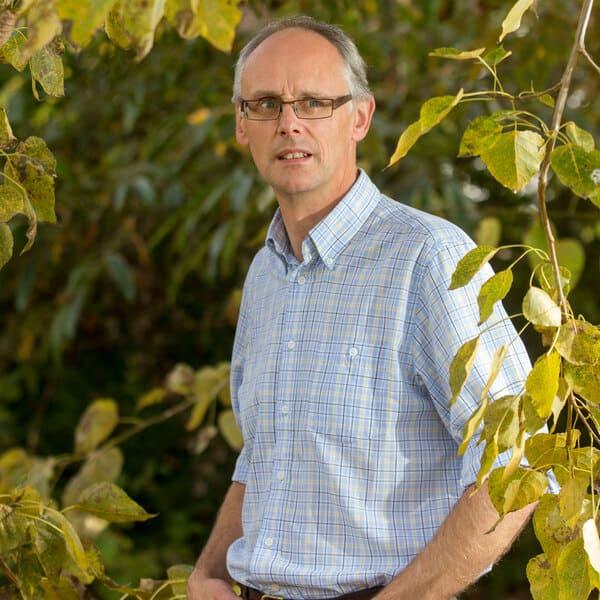
The changing nature of the UK’s climate is making it harder for farmers to predict conditions, according to Chris Short, Associate Professor in Environmental Governance at the University of Gloucestershire. Short, based at the Countryside and Community Research Institute (CCRI), warns that unseasonal weather is quickly becoming a persistent challenge rather than an occasional disruption.
“We can predict that conditions will become unpredictable. So, those warmer, drier periods will last longer, and they’ll be hotter, and those wetter periods will become wetter and more intense,” Short stated. “And they won’t necessarily come at the times of year you expect them to come, so we will see much more unseasonal weather.”
This insight comes as Gloucestershire is officially declared the driest county in the West of England. According to the UK Met Office, Gloucestershire has experienced the lowest average rainfall in the region over the past 30 years, with just 839.75mm annually. Spring 2025 has also been confirmed as the driest since 1976.
Farmers Confront Growing Risks
For those working in agriculture, the increasingly erratic weather patterns mean more than just inconvenience. Short, who has over three decades of research experience on environmental issues, emphasized how these shifts create long-term strategic challenges.
“Looking at current weather predictions, it’s going to be very dry for long periods of time, meaning it will be difficult for plants to get the moisture that they need to survive,” Short explained.
Farmers are attempting to adapt by changing the crops they grow, but as Short pointed out, these adaptations come with risks and require substantial investment. “In drier climates, wine production thrives, but creating a vineyard is a long-term project. The vines won’t come to fruition for many years and that’s a major upfront investment. So, it is possible to adapt, but it’s not easy.”
The observation aligns with broader industry trends. According to the UK Climate Projections 2018 report from the Met Office, much of the UK is expected to see drier summers and wetter winters through to the 2050s. These shifts could redefine what crops can be viably grown in certain regions.
Consumer Prices Set to Fluctuate
The impact of climate unpredictability is not limited to farmers. Short drew attention to its likely effects on the wider economy, especially food and drink prices. “For consumers, this means that we should expect that the cost of food and drink will fluctuate,” he said.
For UK households already navigating the pressures of inflation and supply chain volatility, these additional variables could complicate efforts to maintain sustainable, affordable diets.
Industry experts agree. A recent report from the UK’s National Farmers’ Union highlighted the importance of building resilience within farming communities to mitigate these kinds of challenges.
Community-Level Adaptation Strategies
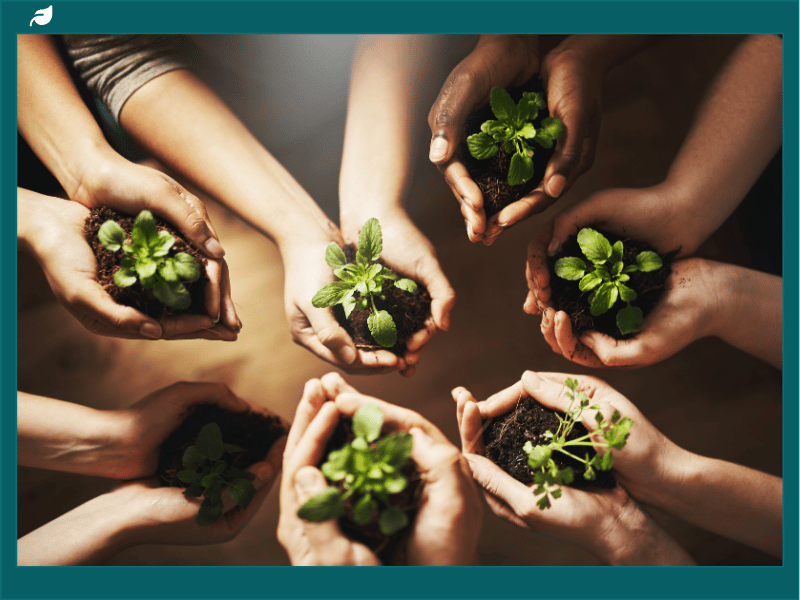
While much of the conversation around climate change focuses on national policy, Short emphasized the value of local, individual action. He encouraged consumers to buy local produce, focus on seasonal goods, and even consider growing their own food where possible.
“The key is to try and buy things that are in season, try and buy local and there’s no harm in growing your own. It helps you understand how difficult it can be,” Short said.
His advice connects to a wider movement toward community-led sustainability initiatives. Across the UK, local councils and grassroots organizations are investing in community gardens, food cooperatives, and allotment programs designed to support both food security and climate education.
“Growing your own gives you a taste of what’s happening and connects you with the environment around you. I understand not everyone has the means to do that, but even a window box is a start and there are allotments across the county. The important thing is to get involved, perhaps try and join a local climate action group – it helps you to understand more about climate change and to consider different solutions and can be very rewarding.”
A Broader Shift in Agricultural Practice
The challenges outlined by Short reflect a larger conversation in the global agriculture sector around climate adaptation. From regenerative farming techniques to climate-smart agriculture, there is a growing emphasis on building systems that can withstand unpredictable weather.
In Gloucestershire and beyond, experts like Short play a crucial role in bridging research and practice, offering insights that can help farmers and consumers make informed decisions.
“It is possible for us to adapt to the changing climate conditions – but it won’t be easy,” Short concluded.
That sentiment captures both the urgency and the complexity of the situation. As unseasonal weather becomes a defining feature rather than an exception, the ability of communities, businesses, and governments to respond will be key to maintaining food security and economic stability.