The University of Leicester’s expertise in disaster risk reduction has highlighted the worsening impact of climate change on reproductive health. Facility and Mobile Reproductive Health Kits, as developed by the University’s Avoidable Deaths Network, have been designed to purposefully tackle this issue.
With COP30 gathering global decision-makers and experts in Brazil, Leicester University has issued a warning about the overlooked impact of climate change, especially on pregnant women. Professor Nibedita S. Ray-Bennett from the university’s School of Business penned an article for the University’s Citizen Writes platform on potential solutions.

In it, she highlighted how climate-related disasters, such as floods, cyclones, heatwaves and droughts, are becoming increasingly severe and more frequent. When they do hit vulnerable communities in lower and middle-income countries, women of reproductive age (14 – 49) face a double crisis: they lose access to essential healthcare provisions precisely when they need it the most, due to the effects of the disaster.
Without proper medical services or timely interventions, treatable conditions can easily become life-threatening emergencies. Yet in the chaos of a humanitarian response, reproductive health is routinely sidelined. This, Ray-Bennet argues, is a systemic failure that costs lives.
COP30 has an opportunity to effect change in this neglected field. The Facility and Mobile Reproductive Health Kits, as developed by the University of Leicester’s Avoidable Deaths Network, represent exactly the sort of practical and evidence-based solutions needed.
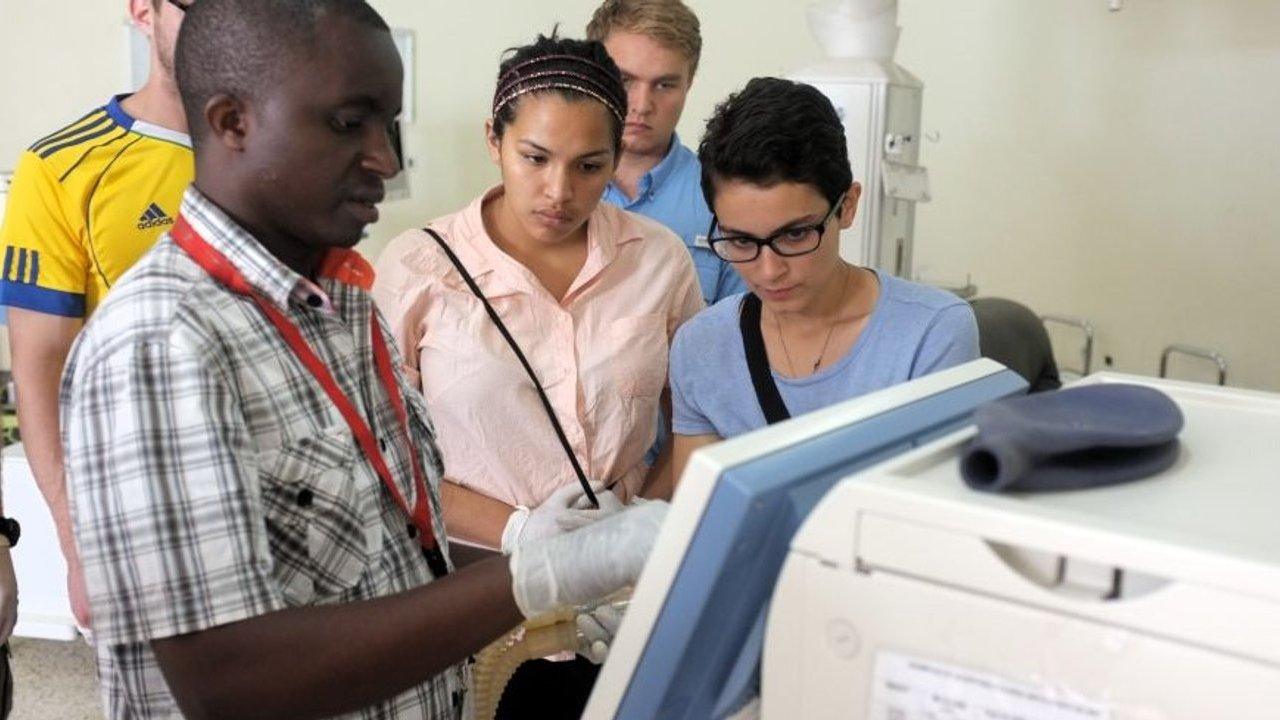
The kits are purpose-built for disaster responses. They contain essential and emergency medicines, equipment, and consumable supplies specifically designed to treat post-abortion complications and provide menstrual regulation services. Importantly, they can be administered by existing health workers already deployed in disaster zones, with no additional specialist staff or complex logistics needed.
The kits are genuinely innovative as they were developed using the principle of localisation. Rather than a one-size-fits-all approach, national governments and local organisations will be able to amend the packages to ensure cultural appropriateness, economic viability and usability within pre-existing health systems.

This intersects with the theme of COP30: the implementation of policy, a moment where climate pledges are transformed into climate action. The kits are a critical foundation for meeting international standards on disaster preparedness, meeting the UN’s Minimum Initial Service Package for disasters.
The Avoidable Deaths Network is moving into the crucial piloting phase. With approval from the Bangladesh Government’s Director General of Family Planning, work will soon be underway at disaster-prone primary health facilities. Responses have been overwhelmingly positive so far, with healthcare workers and government representatives both recognising the need and the solution. But scalability requires investment and political will, precisely the sort of action COP30 has been aiming towards.
At the end of the day, climate change is not just an environmental crisis, but a health crisis too. With the correct provisions, reproductive health can be shown as a success story: from failure of disaster relief strategies to new tools to give women life-saving medical treatment.