As the world casts its eyes upon the UN Climate Change Conference (COP26) in Glasgow, which began on Monday, presidents, prime ministers, and private investors have announced their commitments for landmark climate action.
This marks an observable shift from ambition and discussion to legislative change and definitive action, as leaders from around the world announce unprecedented collaborative pledges to significantly reduce methane emissions, end deforestation, and expedite the development of green technology.
For the first time in recent history, COP26 hosted a major event on methane, the second most prevalent greenhouse gas in our atmosphere after carbon dioxide, and the main component of natural gas. Methane is also released from livestock, landfills, and thawing permafrost.
However, today, 103 countries signed the Global Methane Pledge, which will see heavy emitters like Brazil, Nigeria, and Canada, significantly reduce their methane emissions. The landmark commitment will, it is said, account for up to 40% of global methane emissions.
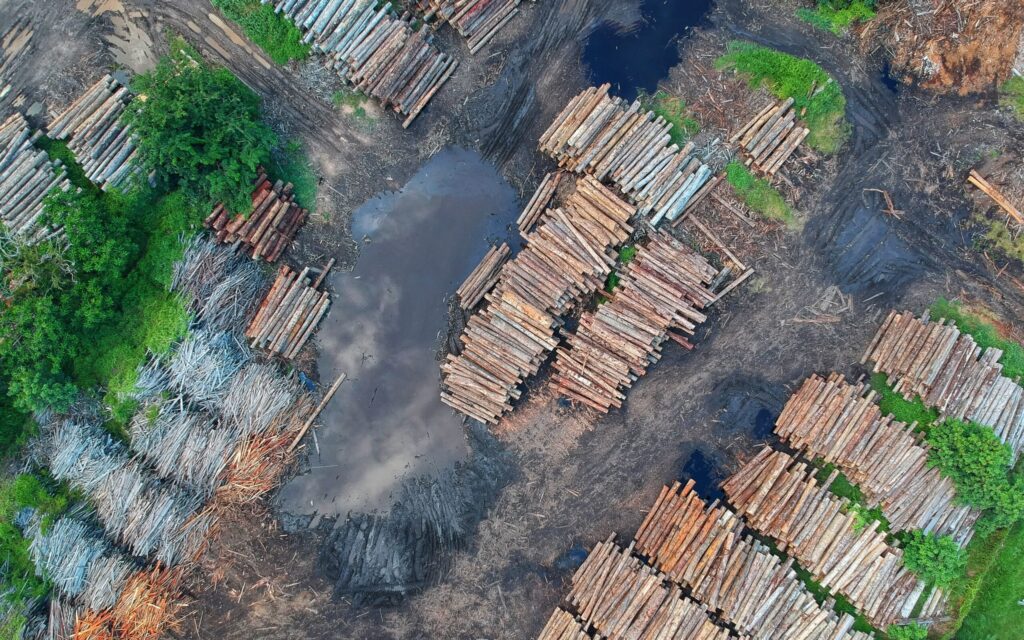
Russia and China, whose leaders did not attend COP26, eschewed the Global Methane Pledge, but did commit, along with more than 100 other countries, to end deforestation within the next nine years.
In total, 114 leaders committed to the halting and reversal of forest loss and land degradation by 2030, a pledge backed by at least $12bn in public and $7.2bn in private funding. The latter is fortified by an auxiliary pact among CEOs, representing more than 30 financial institutions with over $8.7tn in global assets, to revoke investment in activities which contribute towards deforestation.
The pledge to end deforestation will support 85% of the world’s forests, themselves responsible for the absorption of one third of global CO2 emissions released each year by burning fossil fuels.
“Forests are one of our best defences against catastrophic climate change, and essential to keeping 1.5C alive,” said Alok Sharma, President for COP26.
“This historic commitment will help end the devastating effects of deforestation and support the developing countries and indigenous communities who are the guardians of so much of the world’s forests.”
In addition, at least 35 world leaders have joined the new Glasgow Breakthrough Agenda, an initiative which will see countries and businesses alike form partnerships to expedite the deployment of green technology producing clean, affordable energy.
This is particularly important in the uptake of green technology across the impoverished developing world, for which the British government has already announced an investment of $500bn over the course of five years.
As part of the initiative, leaders are compelled to track and discuss the global progress of clean technologies every year, beginning in 2022, in an effort to formalize cross-national cooperation and solidify a universal climate action plan following COP26.
“The Glasgow Breakthroughs will help move us towards a global tipping point, where the clean, green technologies we need to reach net zero and keep 1.5C alive are more affordable, accessible and attractive for all than the polluting practices we are leaving behind,” said Mr. Sharma.