The products we use to manage our reproductive health can impact more than just our bodies. These decisions often carry a hidden environmental cost.
But change is underway. In recent years, more people have begun to seek out eco-friendly alternatives that support both personal well-being and the health of the planet.
Thanks to groundbreaking research and thoughtful design, sustainable period care and lower-impact reproductive solutions are gaining momentum. They’re becoming more accessible to people around the world.
This article explores the environmental impact of traditional reproductive health products and how sustainable alternatives are changing the way.
The Environmental Toll of Traditional Products
Let’s start with the basics. Reproductive health products contribute significantly to long-lasting environmental waste. From disposable pads and tampons to plastic-lined condoms, many conventional options are made with non-biodegradable materials that linger for centuries.
The environmental toll doesn’t end with disposables. Common devices and treatments like IUDs and hormonal injections, though effective, also carry hidden ecological costs. Many are made with plastic or metal components that cannot break down naturally, adding to the growing burden of medical waste.
Beyond the environmental burden, there are health concerns too. Some tampons contain chemical additives linked to irritation or long-term health risks. Hormonal methods, while widely used, may have side effects that aren’t always fully disclosed to consumers.
But change is in the air. A new generation of scientists, entrepreneurs, and activists is stepping up. They’re rethinking how reproductive health products are designed, used, and disposed of. Their goal is simple but powerful: to protect both people and the planet.
A New Era in Sustainable Reproductive Health with Casea S
Casea S is a new biodegradable birth control implant developed by Daré Bioscience and Theramex. It offers long-acting reproductive protection for up to 24 months. Unlike options that require surgical removal or frequent visits, this implant naturally dissolves in the body. It helps reduce both medical waste and the need for repeat procedures.
It also eliminates the need for frequent procedures. Take the popular Depo-Provera, for example. It only offers three months of protection at a time, making it inconvenient for many women. Worse, Depo-Provera has been linked to serious side effects, as reported by TruLaw. One of the most alarming is a possible connection to meningioma, a type of brain tumor.
These concerns have prompted hundreds of women to file lawsuits against the drug’s manufacturer, Pfizer. The situation is so serious that some advocates believe Depo-Provera settlement amounts and compensation could exceed $1,000,000.
Currently, Casea S is in Phase 1 clinical trials. If successful, it could move into larger studies that evaluate its effectiveness. Over time, it could emerge as a safer and more sustainable alternative to high-risk options like Depo-Provera.
Eco-Conscious Intimacy Is on the Rise
Eco-friendly condoms are gaining attention as more people seek sustainable choices in sexual wellness. Traditional latex condoms, though effective, often come with environmental downsides. Many contain casein, a milk-derived protein used to soften and lubricate. But it’s not biodegradable and adds to long-term waste.
In response, a new generation of condoms is entering the market. These options are often labeled as vegan, meaning they’re free from animal byproducts like casein. Some are also made from fair-trade rubber or natural latex, reducing both environmental and ethical concerns.
While terms like “organic” and “vegan” are popular, not all products meet the same standards. Currently, there’s no universal certification for organic condoms. This makes it harder for consumers to tell which ones are truly sustainable. That’s why reading the label matters.
Look for brands that offer biodegradable packaging, FSC-certified latex, and ethical manufacturing practices. Some even donate to sexual health causes.
The rise of eco-friendly condoms shows that safe sex and sustainability can go hand in hand. With more innovation and consumer demand, greener options are becoming more accessible, without compromising protection or pleasure.
Period Care: More Sustainable, Just as Reliable
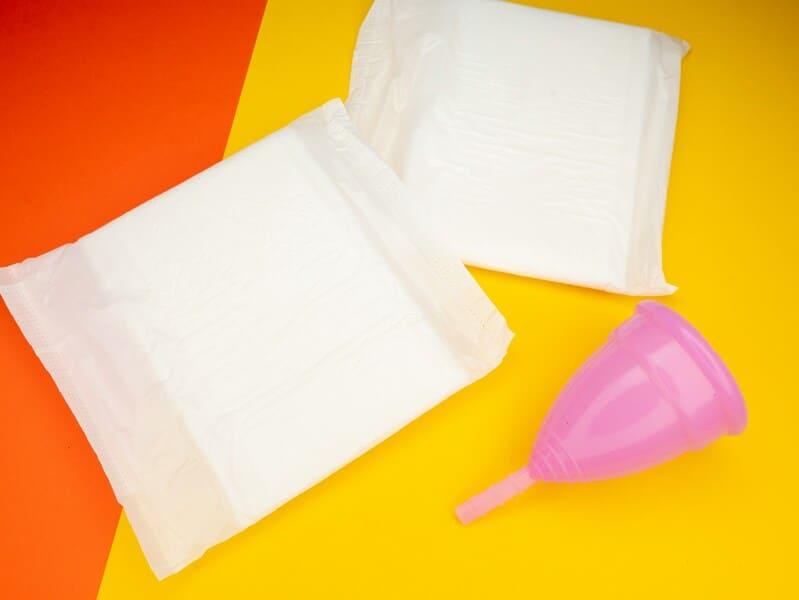
Sustainability in period care is becoming more urgent and for good reason. A BBC report highlights that each conventional pad, including its wrapper, wings, and adhesive, contains around 2 grams of non-biodegradable plastic. That’s roughly equal to four plastic bags per pad. Worse, these materials can take 500 to 800 years to break down.
The same study found that in the U.S., 80% of conventional tampons and 20% of pads are flushed down toilets. This often clogs sewage systems and releases microplastics into oceans.
With this kind of environmental impact, switching to reusable options isn’t just a personal choice; it’s a global need.
Menstrual cups are a standout solution. Made from medical-grade silicone, they can last up to 10 years and drastically cut down plastic waste. Period underwear offers another reusable option, with built-in absorbent layers that hold up through years of washing. Many are made from organic or plant-based fabrics without toxic chemicals. Cloth pads have also come a long way, using breathable linings and biodegradable materials for comfort and sustainability.
Even adopting just one of these alternatives can shrink your carbon footprint and keep plastic out of landfills and waterways.
FAQs
Are eco-friendly reproductive products affordable for everyone?
Sustainable options often cost more upfront. But they save money over time. For example, a menstrual cup lasts for years. Reusable products reduce monthly purchases. Accessibility is growing, but affordability still depends on location, availability, and public health support.
Are there religious or cultural concerns with using reusable menstrual products?
Yes, cultural norms can influence acceptance. Some communities view reusable products as taboo or inappropriate. Education plays a key role. With respectful outreach, many people are becoming more open to sustainable products that also honor privacy and tradition.
How does packaging affect the eco-friendliness of reproductive products?
Packaging matters. Even sustainable products can come in plastic wrap or non-recyclable materials. Look for minimal or biodegradable packaging. Brands using compostable, recycled, or refillable containers help reduce the overall environmental footprint of reproductive health choices.
As research accelerates and awareness grows, we’re entering a promising era where eco-friendly reproductive health isn’t niche; it’s the norm. Products like biodegradable implants and washable period solutions won’t just sit on shelves for the environmentally elite. They’ll become part of public health programs, educational curricula, and global conversations about bodily autonomy and climate justice.
If you’re exploring ways to align your health choices with your environmental values, now is the perfect time to rethink your reproductive health toolkit. Innovation is making it easier and more empowering than ever.