As climate change accelerates, its impacts are increasingly felt by outdoor enthusiasts and travelers who embark on camping adventures with their campervans. Evolving weather patterns and rising temperatures pose significant challenges, transforming once predictable environments into unpredictable terrains.
From increased wildfire prevalence affecting campground accessibility to severe weather disrupting plans, the traditional camping experience is undergoing a dramatic shift. Traveling sustainably and responsibly becomes crucial as adventurers adjust to these new realities. This exploration delves into how these environmental shifts are reshaping camper travel, highlighting the need for awareness and adaptation in the face of a changing world.

The Impact of Climate Change on Camping Weather
Climate change is significantly altering camping weather patterns, making it increasingly challenging for campers and campervans alike. With more unpredictable weather, campers often face sudden storms or unanticipated temperature shifts, impacting their overall experience. As climate change continues to influence the environment, adaptability becomes crucial for those passionate about outdoor adventures. Understanding how climate change affects camping weather allows campers to prepare better, ensuring a safer and more enjoyable experience. Exploring ways to adapt and mitigate these changes is essential for sustainable camping in the future, emphasizing the need for proactive measures to address climate-related challenges.
How Unpredictable Weather Affects Campers
The emergence of unpredictable weather patterns due to climate change poses substantial difficulties for campers worldwide. The environment, once relatively stable, now fluctuates dramatically, with sudden storms, heatwaves, and unseasonably cold conditions becoming more common. Campers now face the daunting task of prepping for myriad weather possibilities, which requires a more significant investment in diverse camping gear. Traditional views of camping, cherishing consistent weather, are becoming obsolete as climate change continues to disrupt these predictable patterns. These shifts impact their safety and overall enjoyment, as unexpected conditions can lead to dangerous situations or equipment failures during expeditions.
Additionally, water availability frequently becomes compromised, as droughts associated with climate change make water sources less reliable at traditional camp spots. Campers must often carry extra supplies, altering the weight and space dynamics within their vehicles or backpacks. Consequently, these unforeseen challenges emphasize the need for comprehensive risk assessments before embarking on treks or camping trips. Campgrounds are now required to issue frequent updates regarding weather predictions, yet even these can be rapidly invalidated as climates evolve unexpectedly. This new reality calls for campers to be ever vigilant and ready to pivot their plans at a moment’s notice to ensure safety and enjoyment in the great outdoors.
Furthermore, changes in weather conditions have broader ecological impacts that affect camping experiences. For instance, shifts in temperature and precipitation can influence local flora and fauna, potentially decreasing wildlife sightings or affecting plant coverage in ways that alter common camping areas. Such changes affect not only the aesthetic appreciation of these sites but also challenge the viability of traditional routes and landmarks familiar to seasoned campers. These shifts highlight an urgent need for campers to stay informed on climate change’s impacts and revise their preparations accordingly. It becomes imperative to seek out resources that detail changing conditions and implement new strategies to mitigate these effects on camping adventures.
Adapting to Changing Climate Conditions
The demand for adapting to changing climate conditions in camping is more pressing than ever. As implications of climate change become increasingly noticeable, the camping community is seeing a pivotal shift in how enthusiasts approach this pastime. Embracing technology can bridge many of the gaps created by these shifts, offering solutions such as advanced weather forecasting apps that help campers stay ahead of volatile weather. By leveraging technology, campers can make informed decisions, ensuring safety and optimizing their outdoors experience amidst climate fluctuations.
Moreover, innovation plays a crucial role in combating the adverse effects of climate change. New designs in camping gear are emerging, equipped to handle more extreme conditions. This evolution includes tents designed for better insulation against abrupt temperature changes or enhanced rain protection, and clothing made from advanced materials to regulate body temperature more effectively. These developments are essential as traditional gear often falls short under new environmental pressures. In addition, educational initiatives aimed at promoting sustainable practices offer an invaluable resource, empowering campers to reduce their environmental impact while coping with these shifts.
Campers are also increasingly adopting sustainable techniques to preserve the environment. Practices such as minimizing trash, sourcing equipment responsibly, and opting for eco-friendly products contribute significantly to mitigating the collective footprint of camping activities. Extensive knowledge sharing within camping communities helps spread these methods, fostering a culture of resilience and adaptability in the face of climate change. As future weather conditions remain uncertain, integrating these strategies becomes invaluable, reinforcing the importance of staying proactive.
Beyond individual efforts, collaborative initiatives involving government entities, environmental organizations, and camping businesses are essential for sustainable recreation. By supporting infrastructure projects that enhance campsite resilience or investing in research to understand regional climate impacts, these groups play a pivotal role in ensuring the long-term viability of camping. It’s clear that as climate change continues to reshape camping weather, a coordinated effort will be vital to adapting and thriving in this new reality, safeguarding both natural environments and the cherished tradition of camping for the next generation.
Extreme Heat and Its Effects on the Camping Experience
As climate change progresses, extreme heat is increasingly affecting the camping experience for campers and campervans worldwide. The rising temperatures can significantly impact outdoor activities, making it harder to enjoy even routine camping tasks. Campers must now navigate sweltering conditions, affecting their level of safety and comfort. With heat being a growing concern, understanding how to adapt and protect oneself becomes crucial. This includes not only personal strategies for staying comfortable but also measures to protect valuable equipment like RVs and motorhomes, ensuring a safe and enjoyable camping trip despite soaring temperatures.
Strategies for Staying Cool in a Campervan
Staying cool in a campervan during extreme heat requires a strategic approach that prioritizes efficiency and comfort. One vital strategy is leveraging natural ventilation methods to promote air circulation. This can involve opening windows and using roof vents, ideally positioned to catch prevailing breezes. Additionally, reflective window covers can bounce sunlight away, minimizing the greenhouse effect and keeping the interior significantly cooler. Investing in portable fans can further aid in circulating air, providing targeted relief in tightly packed living spaces where air can otherwise stagnate.
A crucial part of adapting campers to extreme climates is energy management to power cooling appliances effectively. Solar panels represent a sustainable choice, converting sunlight into energy that can run fans or small air conditioning units without relying heavily on external power sources. Paired with efficient battery storage, this setup can sustain cooling efforts even when sunlight wanes. Furthermore, employing energy-efficient LED lights helps reduce heat output commonly associated with incandescent bulbs, improving overall comfort without excessive energy consumption.
When it comes to meal preparation, avoiding heat-generating appliances is key. Opting for cold meals or using a portable outdoor stove can prevent additional heat build-up indoors. Planning an itinerary that aligns with cooler parts of the day allows for more comfortable exploration while minimizing the adverse effects of the sun. Engaging in outdoor activities early in the morning or late afternoon reduces exposure during peak heat hours and helps maintain optimal energy levels throughout the day. Meanwhile, hydration remains paramount; carrying ample water supplies is essential to combat dehydration and heat exhaustion.
Moreover, embracing new technologies could provide unprecedented relief. Innovations such as portable evaporative coolers or misting systems utilize water to dissipate heat through evaporation. Minimal water usage from these devices can achieve significant cooling effects in campervans, especially when integrated with existing ventilation strategies. Online forums and camping communities offer invaluable advice on best practices and gear recommendations, aiding campers in making informed purchases that enhance their warm-weather trips. By combining traditional methods with modern technology, campers can counter the challenges posed by climate change, fostering resilience during their adventures.
Protecting Your RV and Motorhome from Heat
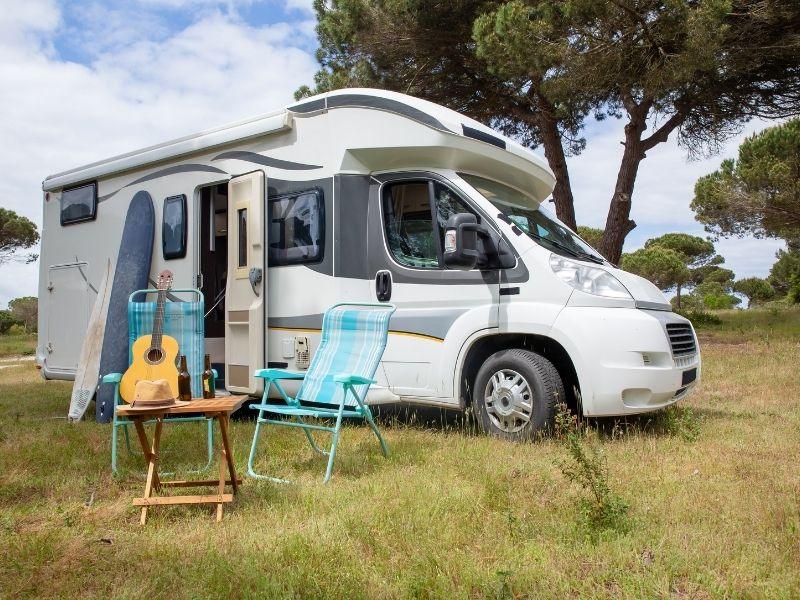
Protecting RVs and motorhomes from extreme heat ensures vehicle longevity and passenger comfort. Insulation improvements are the first line of defense, as they effectively block heat transfer. Retrofitting with materials such as reflective roof coatings can minimize direct sunlight absorption, keeping interiors significantly cooler. Additionally, thermal curtains and shades inside help maintain lower temperatures by reducing heat penetration through windows, a critical aspect given the expansive glass surfaces found in modern motorhomes.
Maintaining the vehicle’s exterior and mechanical systems plays a pivotal role in withstanding sweltering temperatures. Regular checks on cooling systems are vital; engine and transmission overheat risks can escalate under prolonged exposure to heat, potentially leading to costly repairs. Ensuring that these components function optimally not only safeguards against breakdowns but also improves the vehicle’s operational efficiency. Routine tire inspections are critical, as high temperatures can increase tire pressure and the risk of blowouts, posing safety concerns.
Another significant consideration is managing energy use to avoid overloading systems during peak heat. Solar panel installations on RV roofs provide renewable energy solutions that help reduce reliance on generators, often necessary for air conditioning or refrigeration systems. Battery management systems integrated with solar setups can store excess energy, providing a reservoir for consistent power throughout the day and night. This setup decreases grid dependency and boosts energy efficiency, reflecting the growing need for renewable energy use in response to climate-induced challenges.
Selecting suitable parking locations can further shield RVs from extreme temperatures. Parking in naturally shaded areas, under trees or awnings, provides an immediate respite from direct sunlight. Utilizing reflective tarps over windows ensures that the sun’s rays are blocked before they enter the vehicle. Furthermore, acrylic or reflective paint jobs can serve as a heat-repellent surface. Outdoor covers designed for heat protection can also be employed whenever the vehicle is stationary, offering an added layer of defense against the sun’s relentless assault. As climate change continues impacting the environment, these protective measures are essential for preserving camper performance and ensuring comfortable journeys.
Fire Risks and Safety Measures for Campers
Climate change has intensified fire risks, compelling campers to adopt rigorous safety measures. As natural wildfires become more frequent, stemming from prolonged dry conditions and higher temperatures, the challenge is not just limited to personal safety but extends to preserving the natural landscape campers cherish. Understanding these risks and implementing effective fire management techniques can significantly enhance safety for both people and the environment during camping expeditions. With burn bans becoming increasingly common, it’s imperative to explore how campers can navigate these challenges while enjoying their outdoor pursuits amidst climate change impacts.

Implementing Effective Fire Management Techniques
Addressing fire risks effectively requires strategic fire management techniques, particularly as climate change escalates the frequency and intensity of natural wildfires. Campers must be proactive, understanding that safety now hinges heavily on their ability to adapt to evolving conditions. Prioritizing the establishment of safe campgrounds is essential. This involves selecting locations with ample spacing from potential fuel sources like dry grass or deadwood. Maintaining a clear perimeter around the camping area can minimize the likelihood of accidentally igniting a forest fire, protecting both the campers and the natural surroundings. In regions where burn bans are enforced due to extreme weather conditions, respecting these restrictions is crucial. Campers should invest in alternative cooking methods, such as portable gas stoves, which provide a fire-safe option that still allows for meal preparation without the associated risks of open flames. Additionally, securing appropriate insurance cover for motorhome travel can offer peace of mind, ensuring protection in case of fire-related damage or emergencies.
Another significant aspect is the role of education and awareness in fire management. Environmental organizations and camping communities can play a pivotal role by disseminating vital information on current fire risks and safety protocols through online platforms and workshops. Increasingly, these groups leverage technology to alert campers about changing conditions, utilizing apps and websites for real-time updates on local fire risks and safety measures. By keeping informed, campers can make timely decisions that prioritize their safety. For instance, before setting out on a trip, understanding the current status of burn bans or wildfire threats in the destination area can guide campers in altering their plans appropriately.
Moreover, campers should prepare with the right equipment and knowledge to tackle small fires should they arise. This includes carrying fire extinguishers or buckets of water as part of the standard camping gear. Knowledge of how to use these tools effectively is essential; mere possession isn’t enough. Campers should practice these techniques regularly to ensure they’re ready in an emergency. Importantly, campers should also stay updated on local regulations and participate in Leave No Trace principles, which emphasize minimizing impact on the environment. By following these guidelines, not only are wildlife and habitats protected, but the probability of fire-related incidents decreases significantly.
In conclusion, the increasing fire risks posed by climate change present a clear call to action for campers. Embracing a culture of safety, awareness, and adaptability can help preserve the integrity of natural camping sites while ensuring personal safety. Overcoming these challenges requires a multifaceted approach, where education, proactive measures, and the use of appropriate fire management techniques come together to fortify campers against the unpredictable nature of forest fires. This commitment to safety will ensure that both the natural beauty and the traditions of camping endure, even as climate change reshapes our world’s landscapes.
Addressing the challenges posed by climate change requires proactive solutions and adaptations for campers and campervan enthusiasts. This could involve adopting more sustainable camping practices, such as prioritizing eco-friendly campsites and utilizing renewable energy sources. By embracing innovative technologies and sustainable travel strategies, the camping community can minimize its environmental impact and continue to enjoy outdoor adventures. Collaboration between government bodies, industry leaders, and the camping community is essential to enhance resilience against climate-related stresses and ensure the future viability of camping as a beloved recreational activity.