Organizations protect data through layers of digital safeguards, yet the strongest protective force often comes from the people who use these systems each day. Employees shape the safety of every interaction, every message opened, and every login attempt. The human firewall concept highlights how awareness and thoughtful habits form a living shield around sensitive information. When workers understand the part they play in digital protection, they help create a safer and more sustainable security culture that grows naturally over time.
This idea supports a greener mindset as well. Sustainable cybersecurity mirrors sustainable living: small, consistent choices reduce waste, conserve resources, and prevent unnecessary damage. Each careful click, each verified message, and each mindful action helps preserve both data and energy. A well-prepared team can limit incidents that require recovery, remediation, or extensive system repairs, which in turn reduces digital waste and resource consumption across the organization.
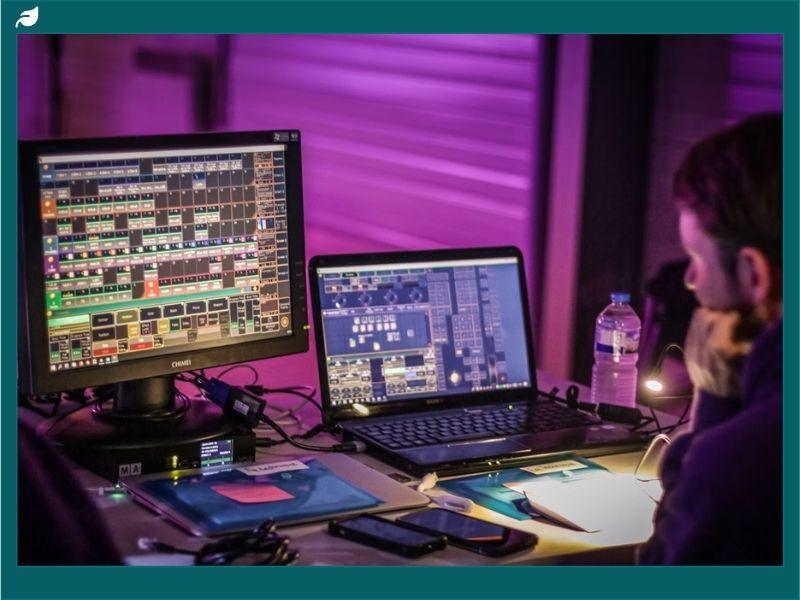
Building Awareness for a Sustainable Security Foundation
Awareness is the starting point for any resilient workforce. Every employee interacts with systems that hold information worth protecting, and each person plays a part in maintaining a secure and sustainable digital environment. Training that uses engaging examples and real situations helps people recognize how threats work and how small steps can block them.
Simulated incidents often make lessons more memorable. When employees receive realistic mock phishing messages, they learn to pause, analyze, and question. These simulations reveal patterns of caution and areas in need of improvement, guiding future instruction without creating fear or discomfort. The aim is to turn everyday decisions into thoughtful actions that guard both data and organizational resources.
Supporting Remote Teams Through Sustainable Secure Access
Modern workspaces now span homes, coworking spaces, and travel locations. Remote access brings convenience and flexibility, yet it introduces new points of exposure. Centralized remote support helps maintain stability without exhausting resources. A well-designed framework gives IT professionals the ability to assist or troubleshoot without travel, printed instructions, or lengthy back-and-forth exchanges. This keeps processes efficient and reduces unnecessary environmental impact. For many organizations, it becomes useful to explore the best remote support software when choosing tools that promote both security and sustainability. The right platform relies on encrypted access, minimal energy usage, and streamlined workflows.
Turning Training Into a Sustainable Habit
Information alone does not create change. Habit formation emerges through repetition that feels natural, relatable, and rewarding. When training is spaced out in short intervals, employees tend to absorb lessons more deeply. This steady approach prevents overwhelm, reduces unnecessary training materials, and supports a greener workflow by avoiding printed handouts or energy-intensive sessions.
Stories about real incidents often help people remember useful practices. When teammates hear how someone spotted a suspicious message or noticed irregular activity, the impact becomes personal. Celebrating positive actions encourages more people to adopt similar habits without creating pressure or anxiety.
Leadership and Culture for a Sustainable Cyber Mindset
Leaders influence how teams view security. When they demonstrate responsible digital behavior and openly discuss shared safety goals, employees see security as part of the organization’s values rather than a rigid set of rules. This supports a sustainable mindset where everyone participates naturally, without unnecessary reminders or heavy-handed oversight.
Clear communication helps create a trustworthy atmosphere. When an incident occurs, leaders should share what happened, how it was managed, and what was learned. This openness encourages employees to speak up quickly when they spot something suspicious. Early reporting limits damage and reduces the resource drain that often follows delayed action.
The Role of Technology in Sustainable Human Defense
Tools and systems support human awareness by filtering harmful content, securing credentials, and alerting teams when unusual activity appears. These tools supplement the intuition and judgment that people bring to security, creating a balanced partnership between human insight and digital safeguards.
Features such as multi-factor authentication, encrypted communication, and endpoint protection strengthen defenses without overwhelming employees. These systems help limit the consequences of accidental clicks or misunderstood messages. At the same time, they reduce the need for resource-heavy recovery efforts that follow larger incidents.
Continuous Evolution of the Sustainable Human Firewall
Digital threats adapt, gaining complexity, speed, and reach. For that reason, the human firewall must remain flexible and informed. Ongoing refreshers, interactive discussions, and updated resources help employees stay aligned with the current threat environment. Continuous learning supports sustainability by preventing large-scale recovery events and reducing long-term costs.
Organizations can offer internal platforms where employees exchange insights, report strange behavior, or review safety updates. This encourages participation without excessive training materials or redundant sessions. A living, active conversation about cybersecurity builds resilience and keeps teams ready to handle new challenges.
People form the heart of every cybersecurity strategy. Technology acts as a support system, but human awareness, thoughtful habits, and a culture of shared responsibility create the foundation of long-term protection. The human firewall embodies a sustainable model of security built on knowledge, attention, and collaboration.