Sustainable infrastructure projects are becoming increasingly important as governments, developers, and businesses invest in environmentally responsible construction and long-term urban resilience. From renewable energy facilities to green commercial developments and transportation systems, these projects are designed to support economic growth while reducing environmental impact.
However, large-scale sustainable developments often involve complex contracts, regulatory requirements, and multiple stakeholders, making them especially vulnerable to construction litigation. Disputes related to delays, compliance issues, cost overruns, and contractual obligations can significantly disrupt project timelines and long-term sustainability goals.
The Growing Complexity of Sustainable Construction Projects
Modern sustainable infrastructure projects frequently involve advanced technologies, evolving environmental regulations, and specialized construction standards. These factors increase operational complexity and create additional legal considerations throughout the project lifecycle.
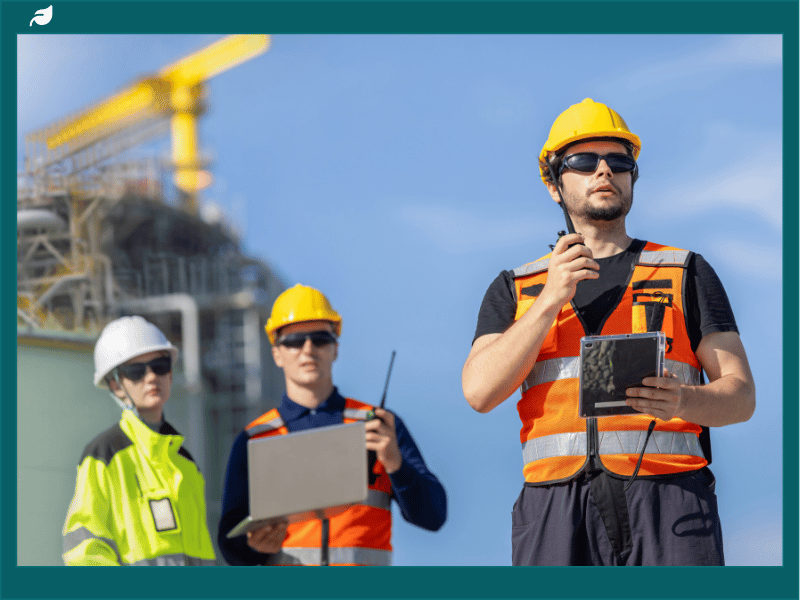
Construction teams must coordinate across developers, contractors, engineers, suppliers, consultants, and regulatory agencies while maintaining compliance with sustainability requirements and environmental standards.
Jason Wesoky, Litigation partner at Ogborn Mihm LLP, explains, “Sustainable infrastructure projects often involve highly detailed contractual relationships and evolving regulatory requirements, which can create significant legal exposure if expectations are not clearly defined from the outset. Even relatively minor disputes can escalate quickly when multiple parties and long-term development obligations are involved.”
This complexity makes proactive risk management increasingly important in sustainable construction environments.
Delays and Cost Overruns in Sustainable Developments
Construction litigation can create substantial delays that directly affect project viability and long-term financial planning. Sustainable infrastructure projects often operate within strict financing schedules, regulatory deadlines, and public funding frameworks.
When disputes arise, delays may increase labor costs, disrupt material supply chains, and postpone environmental or operational objectives tied to the project. In some cases, litigation can also jeopardize investor confidence and future development opportunities.
Cost overruns stemming from prolonged disputes can significantly undermine the economic efficiency of sustainability-focused projects originally designed to deliver long-term value.
Regulatory Compliance and Environmental Standards
Sustainable infrastructure projects are frequently subject to extensive environmental regulations, permitting requirements, and compliance reviews. Failure to meet these obligations can lead to disputes involving contractors, regulatory agencies, or project stakeholders.
Construction litigation may arise from allegations related to environmental impact, safety standards, building certifications, or noncompliance with sustainability benchmarks. These legal challenges can affect both project timelines and corporate reputation.
As environmental oversight continues to expand globally, compliance management is becoming a central component of sustainable construction strategy.
The Role of Documentation and Project Transparency
Clear documentation and transparent project management practices play a critical role in reducing litigation risks. Construction contracts, environmental reports, project timelines, and communication records often become central pieces of evidence during disputes.
According to Dan Close, Founder and CEO at We Buy Houses in Kentucky, “Many construction disputes ultimately come down to documentation, accountability, and communication between stakeholders. In large infrastructure projects, maintaining accurate records and clearly defined responsibilities is essential for reducing misunderstandings and minimizing long-term legal exposure.”
Strong project oversight can help organizations resolve issues more efficiently before they escalate into larger legal conflicts.
Technology and Risk Management in Construction Litigation
Technology is increasingly shaping how sustainable infrastructure projects manage legal and operational risks. Digital project management systems, construction monitoring software, drone inspections, and cloud-based documentation platforms are improving transparency and accountability across development phases.
These tools help construction teams monitor progress, identify inconsistencies, and maintain centralized records that can support dispute prevention and litigation management.
Technology also plays an important role in environmental compliance monitoring, helping organizations track sustainability benchmarks and regulatory obligations more effectively.
Corporate Accountability and Stakeholder Expectations
Sustainable infrastructure projects often attract significant public attention due to their environmental and economic impact. As a result, developers and construction firms face growing pressure to demonstrate accountability, transparency, and responsible governance practices.
As Tom Rockwell, CEO of Concrete Tools Direct, explains, “Modern construction litigation increasingly reflects broader concerns surrounding corporate accountability, regulatory compliance, and long-term project oversight. Organizations involved in sustainable infrastructure projects must recognize that legal exposure now extends beyond contractual disputes and into broader operational and governance expectations.”
This reflects a wider shift toward accountability-driven business operations across infrastructure and development sectors.
Long-Term Impact on Sustainability Goals
Construction litigation can ultimately slow progress toward broader sustainability initiatives by delaying infrastructure expansion, increasing development costs, and reducing investment confidence in future projects.
When disputes disrupt renewable energy developments, transportation systems, or environmentally focused urban projects, the impact often extends beyond individual stakeholders and affects larger economic and environmental objectives.
Reducing litigation risks through stronger planning, communication, compliance management, and contract oversight is becoming increasingly important for organizations committed to sustainable growth.
Conclusion
Sustainable infrastructure projects play a vital role in shaping long-term economic and environmental progress, but their complexity also increases exposure to construction litigation and regulatory challenges.
As sustainability standards, stakeholder expectations, and regulatory oversight evolve, organizations should prioritize transparency, compliance, documentation, and proactive risk management throughout the development process.
By strengthening accountability and improving coordination, businesses can better protect sustainable infrastructure projects from costly disputes and support long-term resilience and responsible growth.