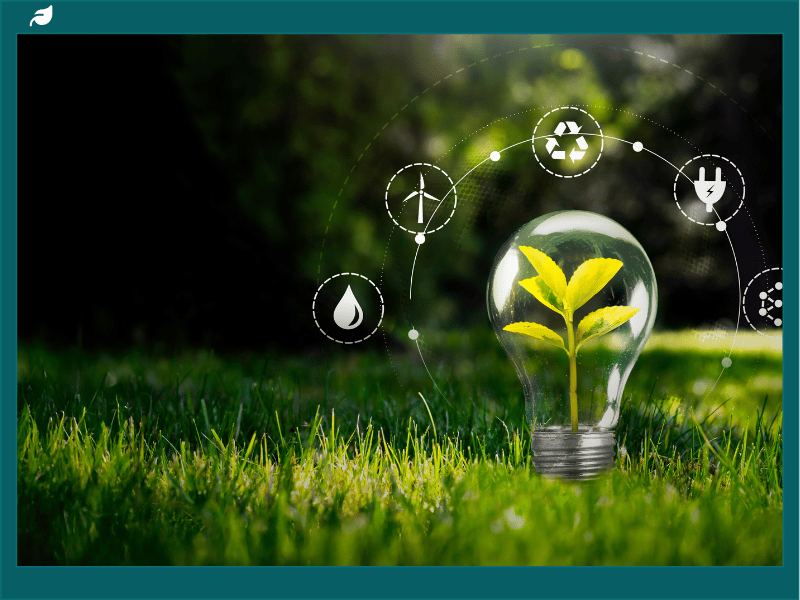
As environmental regulations tighten and Environmental, Social, and Governance (ESG) commitments become a priority for businesses, environmental construction is evolving into a critical component of responsible development. Rather than simply managing building projects, environmental construction focuses on reducing environmental impact, safely handling hazardous materials, and restoring contaminated sites for future use. HCI Environmental is one example of a company supporting these goals through its expertise in 24/7 emergency chemical spill response, hazardous waste transportation and disposal, site decontamination, soil remediation, asbestos, mold, and lead abatement, demolition, and industrial cleaning. These specialized services help businesses maintain workplace safety, regulatory compliance, and environmental responsibility in high-risk situations while contributing to broader sustainability objectives.
Sustainability Starts Before Construction Begins
Sustainability is often associated with renewable energy or green buildings, but environmental responsibility begins long before new infrastructure is built. Construction sites may contain contaminated soil, hazardous waste, aging industrial facilities, or materials such as asbestos and lead that pose significant risks to both people and ecosystems.
According to the United Nations Environment Programme (UNEP), the construction sector is responsible for a substantial share of global resource consumption and greenhouse gas emissions. Sustainable development therefore requires not only efficient new buildings but also responsible management of existing sites and industrial legacies.
Environmental construction addresses these challenges by ensuring that contaminated properties are properly assessed, hazardous materials are safely removed, and land is restored for productive future use.
The Role of Environmental Management in ESG
Investors, regulators, and customers increasingly evaluate companies based on ESG performance. Environmental management plays a central role because organizations are expected to minimize pollution, comply with environmental regulations, and reduce long-term environmental liabilities.
Businesses operating manufacturing plants, warehouses, energy facilities, transportation hubs, or industrial sites often face complex environmental responsibilities, including:
- Hazardous waste handling
- Spill prevention and emergency response
- Soil and groundwater remediation
- Industrial facility decontamination
- Safe demolition practices
- Worker health and safety
Managing these risks effectively protects both the environment and corporate reputation while supporting broader sustainability objectives.
Why Hazardous Waste Services Matter
Hazardous waste cannot be managed like ordinary commercial waste. Chemicals, solvents, petroleum products, heavy metals, and contaminated materials require specialized transportation, treatment, and disposal procedures that comply with environmental regulations.
Improper disposal can contaminate soil and groundwater for decades while exposing businesses to significant financial penalties and legal risks.
The U.S. Environmental Protection Agency (EPA) emphasizes that responsible hazardous waste management protects public health, conserves natural resources, and reduces pollution. Businesses that implement effective waste management programs not only meet regulatory obligations but also demonstrate environmental stewardship to customers, investors, and surrounding communities.
Environmental Construction Supports Circular Development
Modern sustainability strategies increasingly focus on extending the life of existing infrastructure rather than relying solely on new development. Redeveloping former industrial properties, often referred to as brownfield redevelopment, reduces pressure on undeveloped land while revitalizing local communities.
Environmental construction makes this possible through activities such as:
- Site investigation and environmental assessment
- Soil remediation
- Groundwater treatment
- Selective demolition
- Hazardous material removal
- Industrial cleaning and restoration
By restoring contaminated land, businesses can return previously unusable sites to productive economic use while reducing urban expansion and protecting natural habitats.
Emergency Response Is Part of Environmental Responsibility
Environmental sustainability also requires organizations to respond quickly when incidents occur.
Chemical spills, fuel leaks, industrial accidents, and hazardous material releases can rapidly impact surrounding ecosystems if not contained immediately. Effective emergency response minimizes environmental damage while protecting workers and nearby communities.
Specialized environmental contractors provide rapid containment, cleanup, waste removal, and regulatory reporting that help organizations recover safely while limiting environmental consequences.
Having access to experienced emergency response teams is increasingly viewed as an important element of corporate environmental risk management.
Responsible Demolition Reduces Environmental Impact
Traditional demolition often generates large amounts of waste destined for landfill. Sustainable demolition practices instead prioritize material recovery, recycling, and responsible disposal of hazardous substances before structures are removed.
Environmental construction supports these objectives by identifying reusable materials, safely removing hazardous components, and minimizing unnecessary waste generation.
This approach aligns with circular economy principles promoted by international organizations seeking to reduce construction waste and maximize resource efficiency.
Compliance Builds Long-Term Business Resilience
Environmental regulations continue to evolve across industries. Companies that invest in proactive environmental management are generally better positioned to adapt to changing compliance requirements.
International standards such as ISO 14001 encourage organizations to establish environmental management systems that reduce pollution, improve operational efficiency, and demonstrate continual environmental improvement.
Working with experienced environmental management professionals enables businesses to identify risks early, maintain proper documentation, and implement best practices that support long-term operational resilience.
Environmental Construction Is an Investment in Sustainable Growth
Environmental construction should not be viewed simply as a regulatory requirement or project expense. Instead, it represents an investment in sustainable growth.
Responsible environmental management delivers multiple long-term benefits, including:
- Reduced environmental liabilities
- Improved workplace safety
- Stronger ESG performance
- Greater regulatory compliance
- Protection of local ecosystems
- Enhanced stakeholder confidence
- Support for sustainable redevelopment
As investors increasingly evaluate companies through ESG frameworks, effective environmental risk management can strengthen both operational performance and corporate reputation.
Conclusion
The future of sustainable development depends not only on constructing greener buildings but also on responsibly managing existing environmental challenges. Environmental construction provides the foundation for safer redevelopment, pollution prevention, hazardous waste management, and long-term environmental stewardship.
Organizations that prioritize responsible environmental practices contribute to healthier communities, stronger regulatory compliance, and more sustainable economic growth. Through specialized services such as emergency chemical spill response, hazardous waste management, remediation, industrial cleaning, and site restoration, companies like HCI Environmental help businesses address complex environmental risks while supporting broader ESG goals and responsible business practices.