More is involved in sustainability than simply using less plastic packaging in shipments or switching to renewable energy.
There is a massive digital footprint being left behind by modern on the environment, and they are beginning to see the extent of it.
A heavy burden is created by physical hardware that supports cloud computing and remote work, even though it’s not necessarily visible.
As a core pillar of corporate responsibility efforts, this realization is shifting focus toward IT Asset Lifecycle Management.
Sustainability Beyond Energy and Packaging
The focus of green initiatives by corporations has primarily been on reducing office electricity usage and optimizing supply chain logistics for many years.
For many years, corporate green initiatives focused primarily on reducing office electricity usage and optimizing supply chain logistics.
Where in fact immense resources are required to maintain, replace, and manufacture the hardware that powers our digital world.
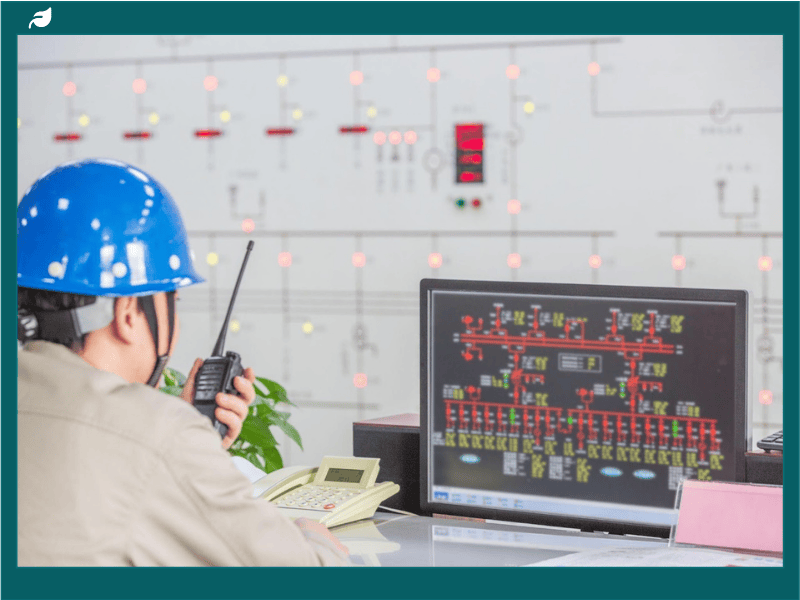
Routers and servers are usually hidden away in locked rooms, which results in digital infrastructure often being overlooked in sustainability discussions.
A more comprehensive approach to how we handle the growing environmental impact of enterprise IT assets is needed.
Understanding the Full Lifecycle of IT Equipment
A much deeper understanding of the entire journey an electronic device takes through a modern organization is needed for the sake of sustainability. From procurement through to deployment and active use, as well as the eventual end-of-life stage for hardware, has to be followed to ensure sustainability.
Many organizations mistakenly believe that sustainability ends once a device is plugged in and runs efficiently in production. Actually, sustainability depends on decisions made after devices leave active use and enter the transition or disposal phase.
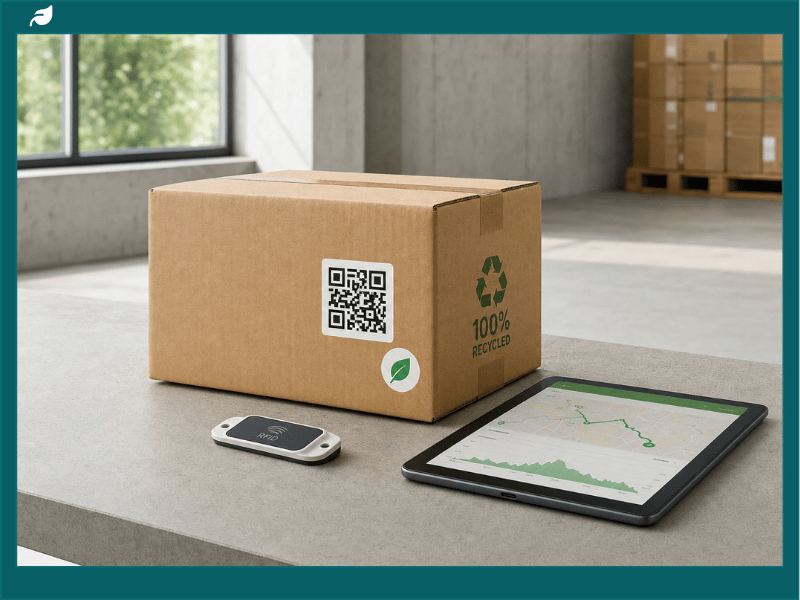
Each and every laptop, server, and networking switch should be tracked throughout its entire functional operational life to ensure effective management. Businesses are able to reduce their total footprint by viewing IT assets as a continuous cycle.
This holistic view allows companies to identify opportunities for internal redeployment before considering any form of external disposal.
The Environmental Cost of Improper IT Disposal
The consequences of failing to manage this lifecycle properly are visible in the staggering global statistics of e-waste. Toxic heavy metals are leaked into the soil of landfills because of millions of tons of electronics that end up being physically discarded annually.
This improper disposal leads to massive resource loss from recoverable components and materials like gold, copper, and cobalt. Each time we discard a server, it also means the energy and water used to create it is wasted in the process.
Using professional itad services helps mitigate these risks by ensuring that hardware is processed through environmentally regulated channels. Valuable rare earth minerals are lost forever, which requires more destructive mining to meet new demands if this type of service is not utilized.
Preventing electronics from reaching landfills is the most immediate way a company can improve its overall environmental standing.
Circular Economy Principles in Technology Management
The best and most effective strategy for managing the environmental footprint of modern enterprise technology is adopting a circular economy model. The traditional approach of use-and-discard that has dominated the industry is being replaced by this model that prioritizes responsible recycling, refurbishment, and reuse.
The need for manufacturing new hardware can significantly be reduced by extending asset life, which contributes to sustainability strategies.
When a device is refurbished and sold into a secondary market, its carbon footprint is spread over time. This process keeps high-quality components in circulation and prevents the premature energy expenditure associated with recycling raw materials.
A circular approach transforms what was once considered “trash” into a valuable resource for another user or organization.
Data Security and Sustainability Can Coexist
A common misconception is that hardware must be physically destroyed to ensure that sensitive corporate data remains fully protected.
However, secure data sanitization enabling safe reuse is now a standard practice within the global technology management industry.
Modern software-based wiping methods can clear drives effectively while leaving the physical hardware intact for a second life.
Choosing a partner for data center decommissioning ensures that security protocols are followed without unnecessarily shredding functional storage media. Why environmental responsibility doesn’t require security trade-offs is a question more Chief Information Officers are asking their teams.
By using certified data erasure, companies can meet strict compliance standards while also meeting their internal green goals.
How Businesses Can Measure IT Sustainability Efforts
To be effective, sustainability must move from a vague concept to a measurable metric within a corporate annual report.
Reporting, compliance, and ESG alignment are now central to how investors and customers perceive a modern brand’s overall value.
Tracking environmental impact across IT lifecycles allows a company to prove exactly how much carbon they have saved.
| Metric | Importance | Sustainability Impact |
| Resale Value | High | Funds future green initiatives |
| Landfill Diversion | Critical | Prevents toxic soil contamination |
| Carbon Avoidance | High | Reduces the total corporate footprint |
Advanced tracking tools provide data on the weight of diverted e-waste and the volume of recovered precious metal resources.
These reports allow sustainability officers to showcase tangible progress toward net-zero goals to their board of directors and stakeholders.
Clear data makes it much easier to justify the investment in high-quality lifecycle management programs and professional partners.
Conclusion: Technology as a Sustainability Lever
Technology should be viewed as a powerful lever for achieving broader environmental goals as we look to the future. To reduce waste and optimize the total cost of ownership, long-term business resilience requires responsible IT lifecycle management support systems.
Responsible IT lifecycle management supports long-term business resilience by reducing waste and optimizing the total cost of ownership.
By integrating sustainability into the IT department, companies can lead the way in protecting our planet’s limited resources. The shift toward a circular IT economy is no longer optional for businesses that want to remain competitive today. Better efficiency, stronger security, and a much healthier bottom line over time can be seen when organizations prioritize these practices.
The way we treat our hardware reflects on our commitment to a sustainable future for generations to come.