For businesses serious about sustainability, energy strategy is no longer just a line item. It is a long-term priority that shapes investment, operations, and environmental impact. While much of the focus falls on energy sources—renewables, grid carbon intensity, or procurement policies—another part of the equation often goes unnoticed. That is electrical infrastructure.
The transformers, switchgear, and distribution systems that power operations are also part of a company’s sustainability profile. Companies like High to Low Voltage support this effort by supplying and sourcing efficient, high-quality electrical equipment that helps organizations improve system performance, reduce waste, and extend the value of existing assets.
Electrical asset efficiency sits at the intersection of energy management, resource stewardship, and long-term business resilience. By making smarter decisions around electrical equipment and infrastructure, businesses can support their sustainability goals while reducing costs and operational risk.
Why Electrical Systems Matter in Sustainability
Most sustainability efforts look first at emissions. Scope one and two emissions often come from combustion and purchased electricity. But what is often missed is that electrical systems can influence both the quantity and efficiency of power used. Poorly maintained or outdated electrical components contribute to energy losses and increase the carbon footprint of every kilowatt consumed.
A well-tuned electrical infrastructure does more than reduce waste. It supports better performance from downstream systems like HVAC, lighting, automation, and IT equipment. This means that sustainability outcomes improve not only at the source, but across the entire energy ecosystem of the business.
The Hidden Costs of Inefficient Equipment
Electrical losses are not always visible. But they add up. Transformers that are too large for the actual load waste energy as heat. Switchgear that lacks smart monitoring cannot detect faults early. Poor grounding or voltage imbalances can shorten the life of sensitive equipment.
These problems do not only increase energy consumption. They create hidden operational risks. Equipment failures can lead to unplanned downtime. Inefficient systems may require more frequent maintenance or premature replacement. In the long run, this impacts both sustainability metrics and financial performance.
By auditing and upgrading electrical systems, businesses often find they can lower electricity use without reducing output. This kind of invisible efficiency gain is a valuable part of modern sustainability strategies.
Lifecycle Thinking and the Circular Economy
Electrical assets have long service lives. But that does not mean they are static. Equipment needs change. Operations grow or shift. Technology improves. Companies that think about electrical infrastructure in terms of lifecycle rather than fixed capital are better able to adapt to these changes.
Lifecycle thinking also supports circular economy goals. Rather than disposing of electrical equipment when it is no longer needed, organizations can sell, refurbish, or repurpose it. Doing so reduces waste and allows others to benefit from still-usable systems. It also aligns with ESG expectations around resource management and environmental impact.
Surplus equipment programs and second-use marketplaces are emerging as smart, sustainable options for businesses looking to extend the value of their infrastructure and reduce landfill-bound waste.
Resilience as a Sustainability Metric
Sustainability is often viewed through the lens of energy or emissions. But resilience is becoming a key part of the conversation. Businesses face climate risk, energy price volatility, and supply disruptions. Robust electrical systems help maintain operations during these events.
For example, well-designed power infrastructure supports smoother integration of backup systems or renewable energy. It allows faster restoration after outages and helps ensure safety for personnel and equipment. These outcomes matter not only for compliance and continuity, but also for long-term stakeholder trust.
Planning for resilience is planning for sustainability. It ensures that environmental commitments can be maintained even when conditions become difficult.
Data and Accountability
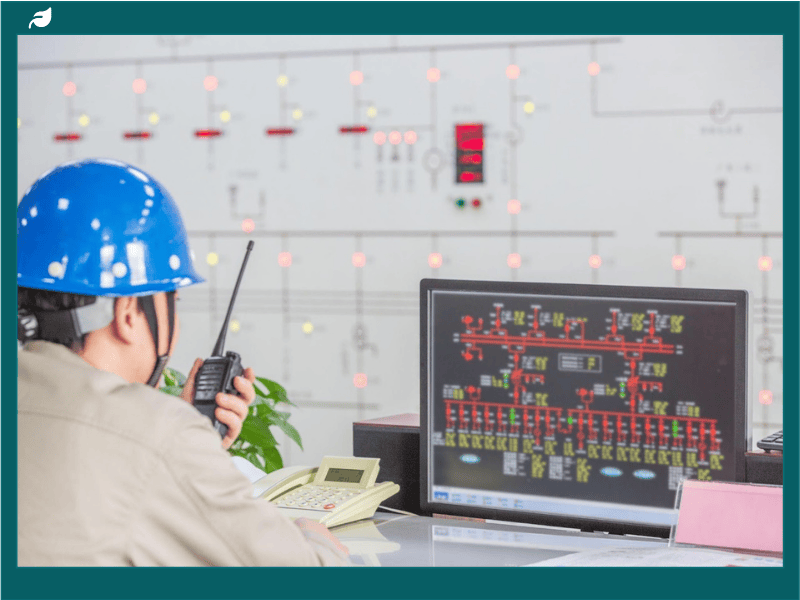
Like many areas of sustainability, electrical efficiency depends on good data. Smart meters, load monitoring, and condition sensors can give real-time insights into system performance. This helps maintenance teams respond more effectively and gives leadership the data they need to make informed investment decisions.
Increased accountability means that sustainability metrics need to be measured, audited, and verified. Organizations that take a data-driven approach to infrastructure efficiency can report with confidence and demonstrate improvement over time.
They can also build stronger cases for capital upgrades by linking efficiency projects to energy savings and emissions reductions.
Partnering for Smarter Infrastructure
Managing electrical assets for sustainability is not something most organizations do alone. It requires collaboration with vendors, engineers, and energy consultants who understand both the technical and environmental aspects of the challenge.
From specifying efficient transformers to sourcing refurbished equipment or safely liquidating surplus assets, the right partner helps translate sustainability goals into tangible, project-ready steps. Businesses that bring their infrastructure partners into the sustainability conversation early tend to find better solutions, faster payback, and fewer surprises.
Looking Ahead
Sustainability is an evolving journey. As regulatory pressure increases and market expectations rise, businesses are being asked to look deeper into their operations. This includes the systems behind the scenes—the power infrastructure that keeps everything running.
By applying sustainability principles to electrical asset management, companies can reduce emissions, save money, and build more resilient operations. It is not about changing the core mission. It is about supporting that mission with smarter, more efficient systems.
In the process, sustainability becomes something more than a report or a target. It becomes part of how the business is built—and how it keeps moving forward.