Clean technology has moved from a niche concept to a strategic necessity for modern businesses. It plays a direct role in how companies reduce emissions, improve efficiency, and meet growing demands for responsible operations.
Reuters reported that global energy investment will hit a record $3.3 trillion (2.89 trillion euros) in 2025. This signals a sharp shift in where capital is going and why. This isn’t a trend but how businesses are preparing for regulatory shifts, investor expectations, and long-term resilience.
Clean technology is no longer a future goal; it’s already shaping the foundation of modern sustainability strategies.

What is Clean Technology and Why Does It Matter Now
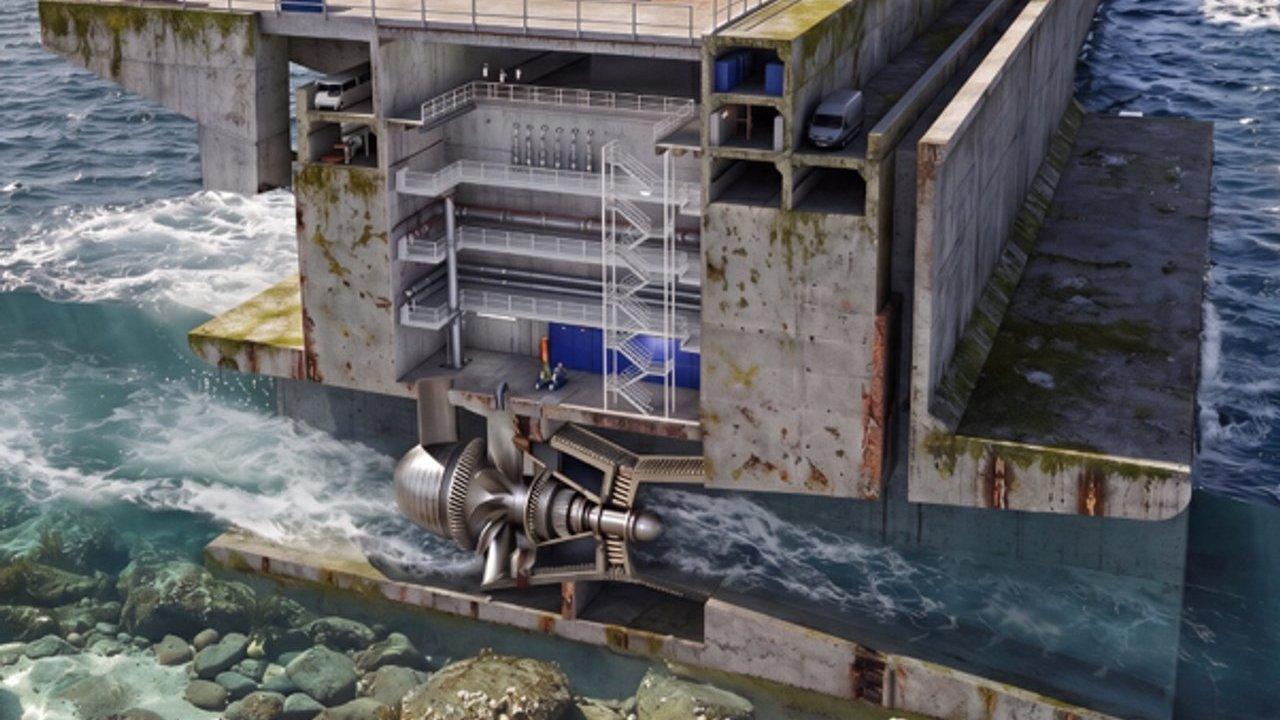
Clean technology refers to a set of practical tools, systems, and innovations that reduce harmful environmental impacts while supporting economic growth. This includes renewable energy sources like solar, wind, and hydro. It also includes energy storage solutions such as advanced batteries, electric vehicles, carbon capture systems, and smart infrastructure that monitors energy use.
In recent years, the clean tech sector has gained strong momentum. IEA highlights that the global market for clean technologies is expected to grow from $700 billion in 2023 to $2 trillion by 2035. Trade in clean energy tech is projected to more than triple in 10 years. It will reach $575 billion, over 50% larger than today’s global trade in natural gas. This growth supports a more reliable grid and prepares businesses for future energy demands.
Why is Clean Technology Important?
Clean technology matters now because of the measurable benefits it brings to businesses. It helps companies lower operational costs by reducing reliance on fossil fuels. It allows them to meet government climate goals, which offer tax incentives for clean energy adoption. These tools also help firms avoid fines as regulators are taking strong actions against businesses that ignore their environmental responsibility.
For example, the U.S. EPA expanded efforts to monitor and restrict toxic chemical exposure, especially after the PFAS contamination in public water systems. Its contamination has affected drinking water across thousands of communities. The damage is long-lasting, and so are the consequences for the companies involved.
Businesses that ignore environmental risks now face legal and financial fallout. TorHoerman Law highlights that 3M agreed to pay $10.3 billion in damages for their role in manufacturing AFFF firefighting foam. AFFF firefighting foam contains harmful PFAS chemicals, which have led to water contamination.
The AFFF lawsuit settlement amounts will benefit public water systems across the United States, with payouts distributed over 13 years. Companies across the U.S. are now rethinking their exposure to toxic chemicals. The lesson is simple. Risk avoidance is not enough. Businesses need proactive systems to identify, monitor, and reduce exposure to environmental hazards.
Why Businesses are Moving Fast on Clean Tech
Businesses are acting quickly on clean technology because the financial and regulatory landscape has shifted in their favor. One of the biggest drivers behind this shift is policy support.
The Inflation Reduction Act, passed in 2022, introduced large-scale tax credits for clean energy projects. According to the EPA, it is the largest climate-focused law ever passed in the U.S. The IRA provides funding, programs, and tax incentives to speed up the clean energy transition. It has two primary incentives:
Investment Tax Credit (ITC): Let taxpayers deduct a portion of the project’s total cost from federal taxes.
Production Tax Credit (PTC): Gives a per-kilowatt-hour (kWh) credit for electricity generated by renewable systems.
Companies are taking advantage of this act to improve operations while lowering emissions. Moreover, Amazon, Google, and Meta signed record renewable energy deals. CNBC highlights that these companies are the top three corporate buyers of wind and solar power in the U.S.
These contracts allow companies to power operations with low-emission energy while locking in long-term energy prices. This offers both stability and a clear path to meeting sustainability goals.
Innovations Driving Clean Technology Forward
Clean technology is advancing quickly. The following innovations are pushing clean tech ahead in practical, business-ready ways.
Renewable Energy Advancements
Renewables like wind, solar, and geothermal are now cheaper than fossil fuels in many U.S. states. Solar is leading the way. Our World In Data says that 40 years ago, solar power was one of the most costly ways to generate electricity.
Today, it has become the cheapest source of electricity in many countries worldwide. The price of solar panels has decreased by about 20% every time the total amount installed around the world doubles.
Growth in Electric Transportation
The electric vehicle sector is growing at a strong pace. Statista says that the EV market in the U.S. is projected to earn $95.9 billion in revenue in the year 2025. This growth came from better battery technology, wider charging networks, and more consumer demand. Companies are now switching their fleets to electric vehicles to reduce fuel costs and carbon emissions.
Battery Storage Expansion
Battery storage plays a key role in supporting renewable energy use. Stronger storage systems allow businesses to manage power demand more effectively, reduce outages, and stabilize energy costs.
FAQs
What is the main objective of clean technology?
The main objective of clean technology is to reduce environmental impact by promoting sustainable practices, conserving resources, and minimizing pollution. It aims to improve energy efficiency, lower carbon emissions, and support long-term ecological balance without compromising economic growth.
How does clean technology reduce business costs?
Clean technology reduces business costs by improving energy efficiency, lowering utility bills, minimizing waste, and reducing reliance on non-renewable resources. It also helps avoid regulatory fines and unlocks tax incentives, making operations more cost-effective and sustainable over the long term.
How does clean tech help with ESG and regulatory compliance?
Cleantech supports ESG and regulatory compliance by reducing emissions, conserving resources, and promoting ethical operations. It helps businesses meet environmental standards, align with sustainability goals, and avoid penalties while enhancing transparency. This also strengthens stakeholder trust in ecological, social, and governance performance.
Clean technology has become a practical path to stronger business performance. Companies leading the way made early decisions to cut waste, lower emissions, and improve operations. They didn’t wait for pressure; they prepared ahead of it.
Meeting today’s ESG standards and avoiding environmental risks depends on smart upgrades. Clean energy, efficient systems, and better resource use are now essential tools, not optional steps. Businesses that act now are more agile, more stable, and better positioned for future growth.
Delaying action brings higher costs, more risk, and fewer opportunities. The time to move on to clean technology is now.