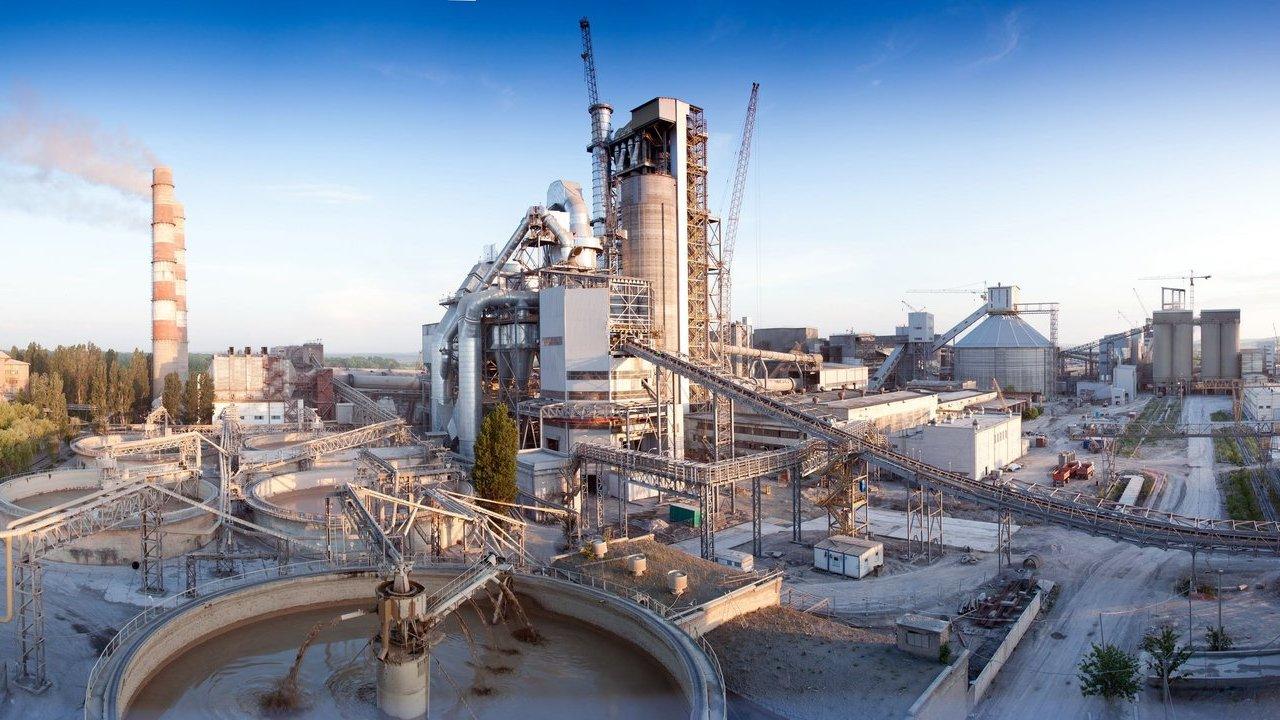
Though so much about the future remains uncertain, one thing is for sure: the world’s reliance on technology will only increase. Unfortunately, this inevitability has the potential to exacerbate the ongoing climate crisis. More electronics means more electricity, which directly conflicts with our simultaneous drive for sustainability.
However, some of the most promising new technologies possess the capabilities to decrease the use of electricity in various digital processes. In addition to optimizing the daily operations of countless industries, the following technologies can prevent the growing demand for data from compromising what’s left of our environment.

Blockchain
When it comes to data storage, blockchain technology is about as sustainable as it gets. Rather than storing data on a single server or cloud system, blockchain distributes data across a multitude of servers, since no single entity has control over the blockchain network. So, a large business that runs on a blockchain network would theoretically use much less electricity than another, similar-sized business that stores the entirety of its data on a central server.
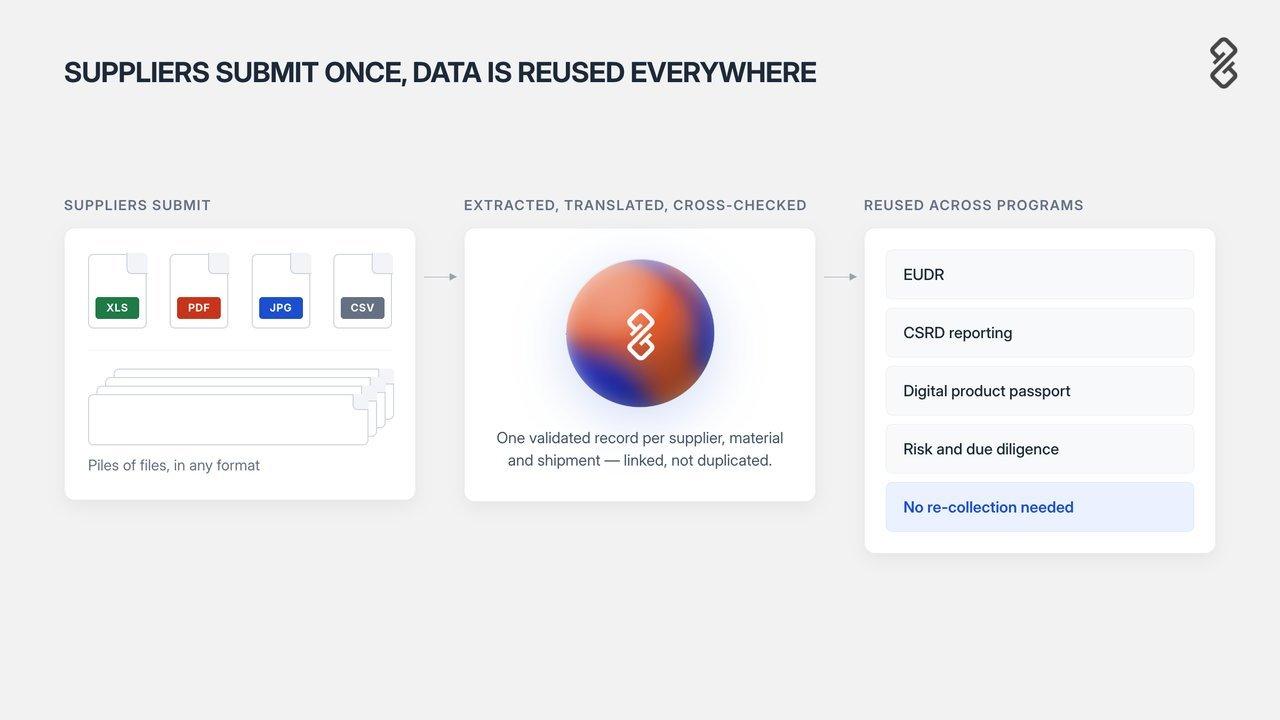
Blockchain data is also public for all network participants, which results in fewer data-related transactions and communications. For example, if all parties of a supply chain were to operate on the same blockchain network, they wouldn’t have to exchange relevant data with one another because each party’s data would be readily available to everyone on the network. This is a stark difference from the current norm, in which supply chain parties are constantlytaxing their own servers by continuously accessing and sharing data.
The Internet of Things (IoT)
Speaking of networks, the Internet of Things (IoT) stands to dramatically reduce the energy consumption of electronic devices as well. The sensors that typically feed info into IoT systems allow various smart appliances to maintain appropriate levels of energy based on the current conditions of their environment. For example, smart HVAC systems can be programmed to only produce appropriate levels of heat and cold air for the number of people in a room. The same function can be programmed into a smart lighting system, which can adjust the amount of light it produces based on the time of day.
Moreover, IoT-enabled devices allow businesses to monitor energy consumption in real time as well as environmental conditions such as temperature and humidity. Armed with this data, businesses can identify specific areas that are using unnecessary amounts of energy. Theoretically, a company that makes electronic devices could even use IoT data to identify and mitigate energy efficiencies in its own products.
Artificial intelligence
The rapid growth of data centers is a major contributor to the sustainability crisis. And now that electricity has become increasingly scarce, the cost of supplying data centers with the energy they traditionally require could reach alarming heights.
A great deal of this electricity goes towards cooling down these massive servers. With this in mind, Google famously used its own AI, DeepMind, to determine that it was over-using its cooling infrastructure during certain periods, prompting the company to develop a new cooling system that reduced energy consumption by up to 30 percent.
AI’s unique ability to ingest and aggregate enormous amounts of data can expose inefficiencies in electronic devices that humans could never uncover on their own. In fact, AI can detect anomalies in devices that could then be fixed well before the issue has even begun to impact the device’s efficiency.
Also, as supply chains become more digitized, AI can prevent the manufacturing process from using too much electricity by harnessing historical data to forecast demand. For example, AI-driven data can ensure that manufacturers only order appropriate quantities of inventory to meet current levels of demand, rather than ordering excessive quantities and forcing their systems to process excessive levels of data.
Regulating sustainability
Lastly, it’s hard to imagine the technology sector prioritizing sustainability as a whole without government regulations requiring them to do so. Such regulations could mandate that technology companies power a certain percentage of their operations with renewable energy, rather than continuing to eat up our limited supply of oil, gas, and electricity.
When it comes to electronic devices, further regulations could require companies to implement design methodologies that allow their products to be used by consumers for as long as possible. Likewise, companies could be required to use certain components that are easier to recycle and repurpose for further use.
Of course, this would only achieve its desired outcome if regulatory bodies also mandated that companies launch take-back programs that incentivize consumers to return used products. This would prevent more discarded electronics from being sent to landfills and polluting the surrounding environment with contaminants such as lead, mercury, and arsenic.
Final thoughts
The technologies of the future will likely continue to consume an outsized share of energy. The difference with blockchain, IoT, and artificial intelligence is that they are actually designed to give back more than they take. With the help of government regulations, advanced technology could soon become a driving force in the global movement towards sustainability and eradicate the over-use of electricity in virtually all areas of our lives.

Circularise Founder Mesbah Sabur