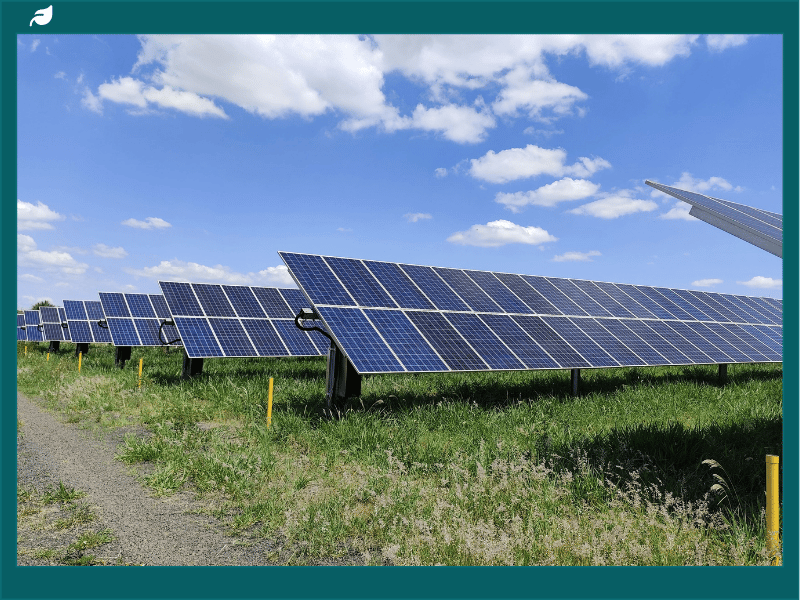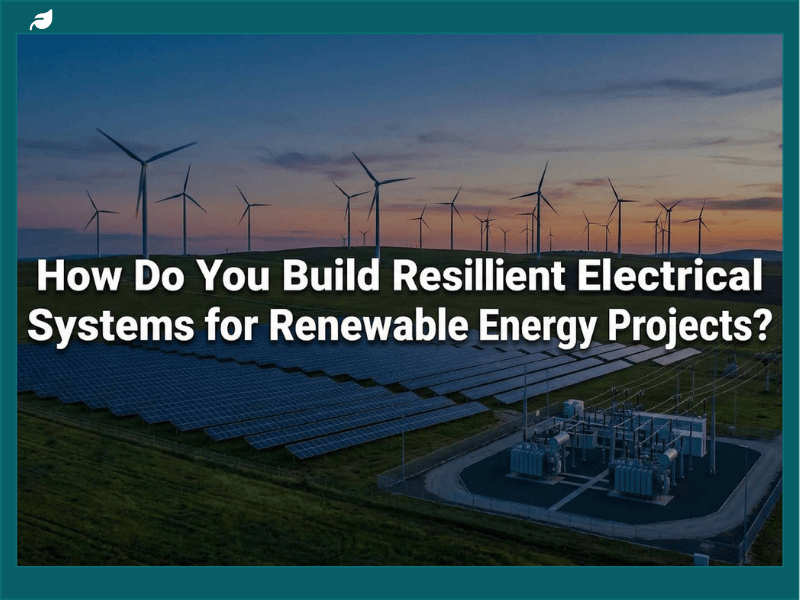
Renewable energy projects are amazing works of engineering. A wind power plant on the top of a hill, a solar system on an expanse of desert, a tidal system planted in the ocean floor all of these are the best that current technology can offer.
The thing, of course, that most people do not discuss is that getting the electricity between point A and point B in the first place is as difficult as producing it in a consistent, reliable and safe way.
Constructing resilient electrical systems to renewable energy is not a technical box to be ticked. It’s an attitude one that foresees failure, makes plans for weather extremes, and makes sure that in the event a failure occurs (which someday it will), the entire system goes down in a whirlwind.
Start With the Environment, Not the Equipment
Seriously consider where your system will reside before you spec out the first component.
- Phoenix: A rooftop solar installation is exposed to endless UV and dry heat.
- Offshore: A wind turbine is fitted with salt spray, heavy rain, and hurricanes.
- Northern Canada: Due to freeze-thaw cycles, a hydroelectric system is fighting with the corrosion of contacts and the breakage of housings.
Knowing everything downstream is dictated by the environment. Ingress protection rating, type of conductor insulation, connector sealing, conduit material everything has to be selected with the actual conditions of the site in mind, not the controlled conditions of a product datasheet.
Redundancy: Your Insurance Policy
This is one of the resilient design principles: never have one point of anything. That is true of generation, of course, but it is true of your electrical infrastructure too.
Large-Scale Projects
In the case of bigger projects, this could be:
- A second power feed into important monitoring systems.
- A backup battery supply to control circuitry.
- Secondary communication channels to SCADA systems.
Small-Scale Installations
Smaller installations also have the advantage of clearly labeled isolation points and secondary disconnect options to allow technicians to safely work on one part of the system whilst leaving the rest of the system online.
Consider an alternative approach: one broken link in a distant solar farm should not bring down your whole telemetry system. Good redundancy design implies that you lose sight of a single strand of panels, rather than the entire site.
Wiring and Harness Design: Design It Right the First Time
A lot of responsibility and a lot of stress goes with the wiring within a renewable energy system. The conductors bend and flex, vibrate, heat, and cool down on a daily basis. Whenever a junction box is opened to do any repairs, connectors become wet, dusty, and experience mechanical stress.
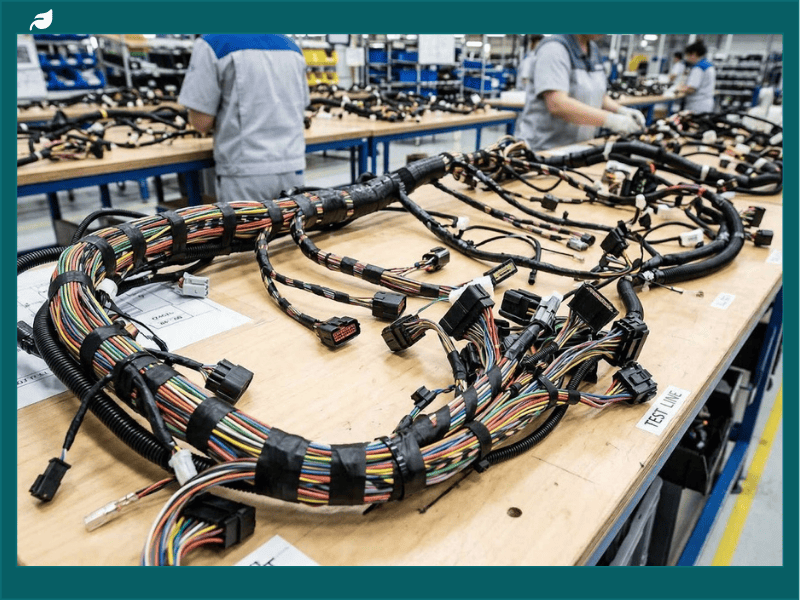
This is why Waterproof wire harnesses are so commonly specified in wind, solar, and marine energy applications. Not only keeping water out, they are keeping the electrical performance consistent when subjected to:
- Mechanical stress.
- Changes in temperature.
- Decades of service without major maintenance.
A harness with 40,000 hour failure rather than 80,000 hour failure will result in additional service, increased lifetime costs, and reduced generation time. In addition to the harnesses, consider routing. Cables are not to be run in a manner that forms tight bends or abrasion points. Drains should not be filled at the level of conduit runs. Each and every opening through a housing or enclosure wall is a possible leak route and must be sealed.
Protection Devices: The Underdogs
Electrical safety in any system is based on surge protecting, arc fault detection, and correctly rated overcurrent devices. They are even more critical in renewable energy projects since you are frequently dealing with DC circuits which are more difficult to interrupt than AC and with systems that might be energized any given year.
Lightning and Surges
Lightning is a particular hazard for anything with large surface areas or tall structures exactly the kind of infrastructure that solar farms and wind turbines represent. Having a full complement of surge protection on each and every entry point, along with a proper grounding and bonding, can spell the difference between a shortened maintenance check and thousands of dollars worth of electronics destroyed by a storm.
Arc Fault Circuit Interrupters (AFCI)
AFCI should be given particular consideration in solar PV systems, where DC arcs can be sustained and fire caused in much easier ways than with AC arcs. It is not a box on the regulatory checklist to include them, but it actually matters when it comes to safety.
Selecting the Right Supply Chain Partners
The quality of components is a big issue in infrastructure with a long life cycle. A renewable energy initiative could have a life span of 20-30 years. Two or three decades of thermal cycling, UV exposure, and vibrations, and some flooding. Connectors, wire harnesses, and junction boxes you install today must be able to continue to work satisfactorily in 2045.
This is why many project developers work closely with a trusted cable harness manufacturer who understands the demands of outdoor energy infrastructure rather than simply ordering off the shelf components.
Purpose designed harnesses, such as a wind turbine nacelle, can be constructed using:
- The precise gauges and insulation material of the conductor.
- Strain relief geometry.
- The specific connector type that the application requires.
The same type of partnership also reaps dividends when you require replacement parts in year 15 of a project. Another benefit is that a supplier that is aware of the history of your system can recreate specifications, an important factor when you are replacing parts on a live system.
Monitoring and Predictive Maintenance: The New Frontier
Being resilient does not mean creating tough stuff. It is also about having the knowledge that something is beginning to fail prior to actually breaking down.
Current renewable energy systems are progressing to a dependent use of continuous electrical monitoring systems to track parameters such as:
- Insulation resistance.
- Temperature at critical junction points.
- Current imbalances between parallel strings.
A test of insulation resistance that indicates slow wear over 12 months helps you know that you need to replace a cable in your next planned maintenance window and not when there is a grid emergency. It is this type of intelligence that makes the difference between a robust system and an overbuilt system.
Resilience Is Built Incrementally
Nobody gets a flawless electrical system the first time around. It is the result of:
- Knowing the environment inside out.
- Defining elements that actually fit the needs of the application.
- Designing redundancy in the architecture up-front.
- Setting up monitoring cultures that provide you with early warning before little issues turn into costly ones.
Renewable energy projects are financially and environmentally at stake, and are equally important due to energy security issues. Electrical systems, the foundations that hold everything together, secure the project’s operational success over the years. Only if the building blocks of a solar farm or wind project include basic electrical systems will the project quietly deliver clean energy year after year, long after the ribbons have been cut and phase one officially goes down in history.