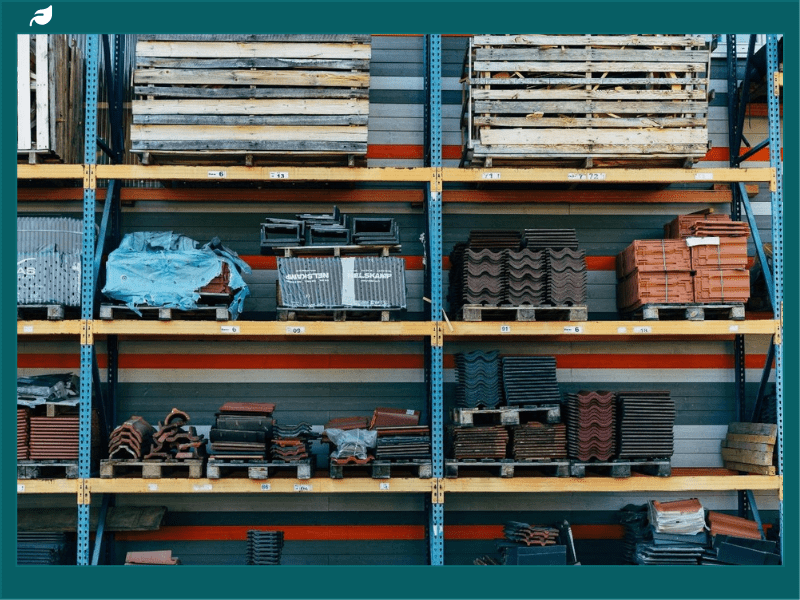
Buildings and architects are now rethinking the materials that they use. Not only is it important for the overall performance of the building but also for its environmental impact. Understanding the differences between traditional and sustainable construction materials is essential for making informed decisions in modern building projects.
What Are Traditional Construction Materials
Traditional constriction materials have been used for decades. Used due to their strength, their durability and the materials availability. Some examples of traditional material are:
- Concrete
- Steel
- Bricks
- Timber
All sourced through conventional methods that have been used for years. Concrete being one of the most widely used materials across the world. This is due to it being strong and versatile. In sustainable measures production on average creates 8% of the global carbon dioxide emissions. These traditional materials have helped shape infrastructure for many years, but they often come with significant environmental costs due to resource extraction, energy use, and waste generation.
What Are Sustainable Construction Materials
Sustainable construction materials are designed to reduce environmental impact while maintaining performance. These materials are often renewable, recycled, or produced using low energy processes.
Examples include bamboo, recycled steel, reclaimed wood, hempcrete, and cross laminated timber. Many of these materials are biodegradable or have a lower carbon footprint compared to traditional options. Using sustainable materials can reduce building related emissions by up to 30 percent, depending on the design and location of the project.
Steel is considered in both traditional and modern sustainable materials as it may use a lot of energy to create but tends to last 50-100 years. Used in strong reliable structures like Quonset huts with geometric arch designs, which have been utilized since the war.
Key Differences Between Traditional and Sustainable Materials
There are many factors that differentiate the effects traditional materials have on the environment compared to newer more sustainable materials. Environmental factors play a part, alongside the energy consumption factors. Traditional materials require intensive mining, processing and transportation meanwhile sustainable materials tend to focus on reducing waste, creating them with lower emissions and they promote reuse.
Durability and performance are a huge factor in choosing building materials. Traditional materials are known for a long lifespan, however sustainable materials are exceeding these set standards. With this comes a factor of cost consideration. Traditional materials are often cheaper upfront due to established supply chains. Sustainable materials may have higher initial costs, but they can reduce long term expenses through energy efficiency and lower maintenance.
Advantages of Sustainable Materials
Sustainable construction materials offer several benefits beyond environmental protection.
They help reduce carbon emissions and energy consumption. Buildings constructed with sustainable materials often have better insulation, which lowers heating and cooling costs. This can lead to energy savings of up to 25% in some cases.
They also improve indoor air quality by reducing the use of harmful chemicals. Materials such as natural insulation and low emission finishes contribute to healthier living and working environments. Sustainable materials support the concept of a circular economy by encouraging reuse and recycling, which reduces landfill waste.
Challenges that may be faced
Although there are a lot of advantages to sustainable materials they do come with some challenges. Limited availability in some regions can make sourcing difficult. There may also be a lack of awareness or expertise among builders and contractors. Initial costs can be higher, which may discourage developers from working within tight budgets. However, as demand increases and technology improve these barriers are gradually decreasing.
The future of construction is set to feature more sustainable materials. Finding the right balance of performance, cost and sustainability will help construction choose their materials.
Comparing traditional and sustainable construction materials highlights a clear shift in priorities within the industry. While traditional materials remain important for their strength and reliability, there needs to be a focus on sustainable practices and economic benefits. By combining the strengths of both approaches and making smarter material choices, the construction sector can move toward a more sustainable and responsible future.