Carbon asset manager Carbonaires is teaming up with biochar specialists HUSK and fintech giant Klarna to establish a cutting-edge biochar production facility in Cambodia. Carbonaires are providing financial support to HUSK to build the plant which will generate high quality carbon credits that Klarna will purchase as part of its carbon reduction initiative. The project aims to extract carbon dioxide from the atmosphere and utilize the resulting biochar to create carbon-based fertilizers that will rejuvenate depleted soils. The investment will help boost biochar production in Southeast Asia and support the local economy and community.
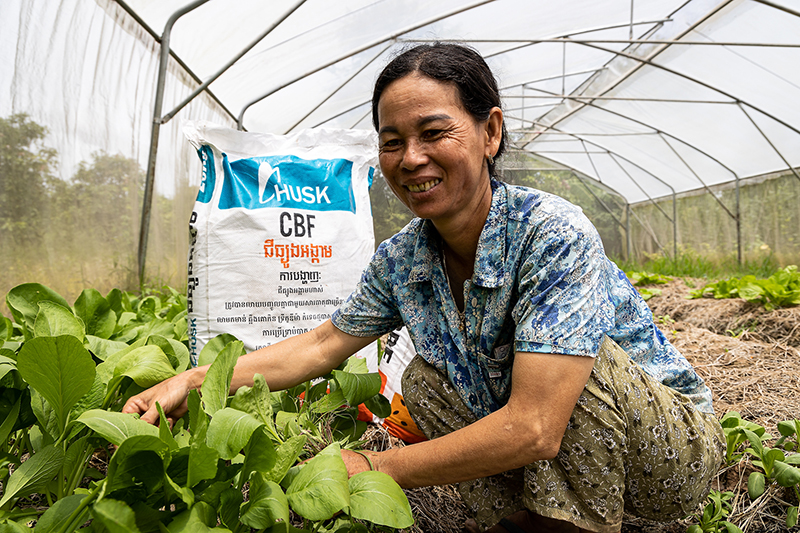
Biochar is a type of charcoal created by heating organic materials, such as agricultural waste and forestry residue, in a low-oxygen environment. The resulting product can be used to enhance soil health and fertility, as well as to sequester carbon. Biochar can also improve crop yields, reduce the need for synthetic fertilizers and pesticides, and enhance water retention. Furthermore, it is an effective tool for carbon sequestration, as it can store carbon in the soil for centuries.
HUSK was founded by female social entrepreneurs and specialises in building innovative biochar production facilities across the world which are run by members of the local community. The operation in Cambodia will use rice husks to produce biochar. Rice husks are a by-product of the rice milling process and are usually burned or discarded. By converting rice husks into biochar, a previously wasted material is converted in a valuable resource, promoting a more circular economy. This process also reduces greenhouse gas emissions by avoiding the burning of rice husks, which would otherwise rapidly release carbon dioxide into the atmosphere. By applying a rigorous methodology to the process, high quality carbon credits are generated and will be sold to Klarna as part of their corporate sustainability programme.
Cambodia is an ideal location for biochar production as it has a large agricultural sector challenged by soil degradation and erosion issues that make crop cultivation difficult. By producing biochar from rice husks, HUSK seeks to improve the region’s soil health and fertility and support the local economy and agriculture.
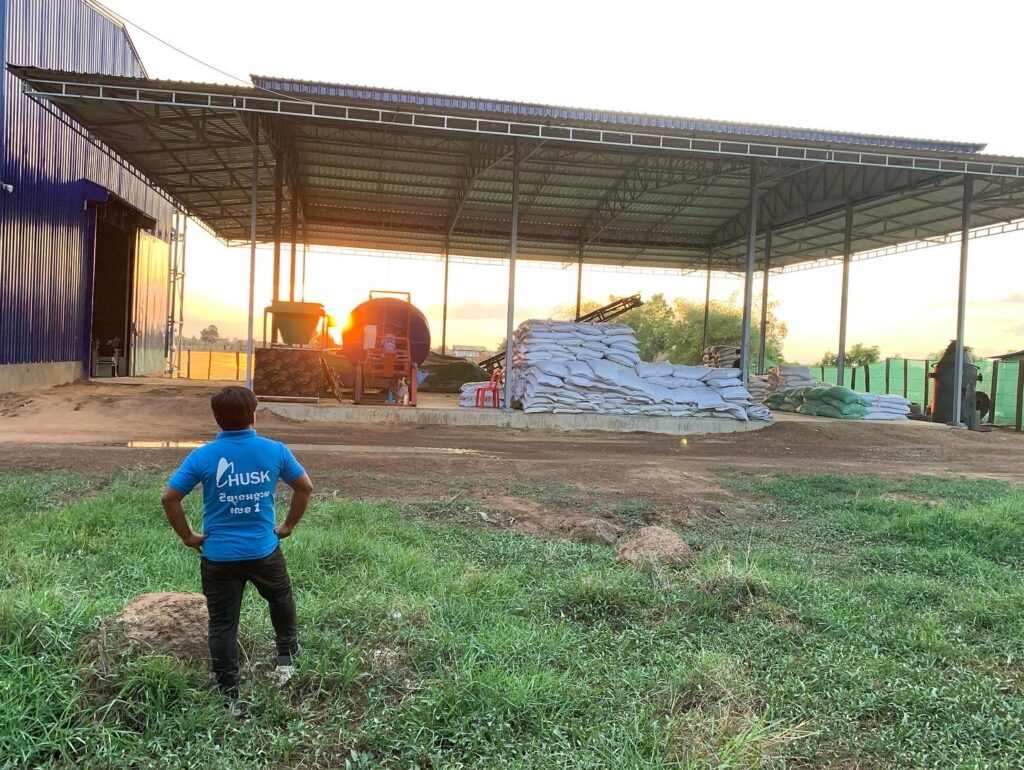
Under the first stage of the project, Klarna will purchase approximately 16,000 tonnes of carbon credits. Through an innovative benefits-sharing mechanism, facility employees receive a bonus-style allocation of the credits produced. Carbonaires co-founder Michael Spenley said of the partnership: “We’re thrilled to be partnering with HUSK and Klarna. This collaboration is a great example of what can be achieved when companies share a vision to tackle an issue as devastating as climate change. Carbonaires is building a diverse portfolio of carbon saving assets and we believe biochar can be a valuable and strategic investment.”
Voluntary carbon markets offer a means for companies to compensate for their carbon emissions by procuring carbon credits from projects that decrease or absorb carbon. They play a vital role in promoting climate-friendly endeavours, such as biochar production and distribution, by furnishing companies with financial incentives to invest in sustainable solutions and amplifying the financial viability of community businesses. The significance of voluntary carbon markets is well-established.