Wildlife Conservation Society and the Caribbean Biological Corridor have launched the CBC 30×30 Plus Marine Action Plan, a multi-country framework for marine biodiversity across the Greater Antilles. Announced at the UN Biodiversity Conference in Yerevan, Armenia, the plan brings together national efforts around connected marine protected areas, shared offshore areas and migratory corridors. It supports the Kunming-Montreal Global Biodiversity Framework’s Target 3, known as 30×30, which calls for the conservation of 30 per cent of land, inland waters and oceans by 2030. Backed by conservation, science and finance partners, the plan places regional cooperation at the centre of Caribbean ocean protection.
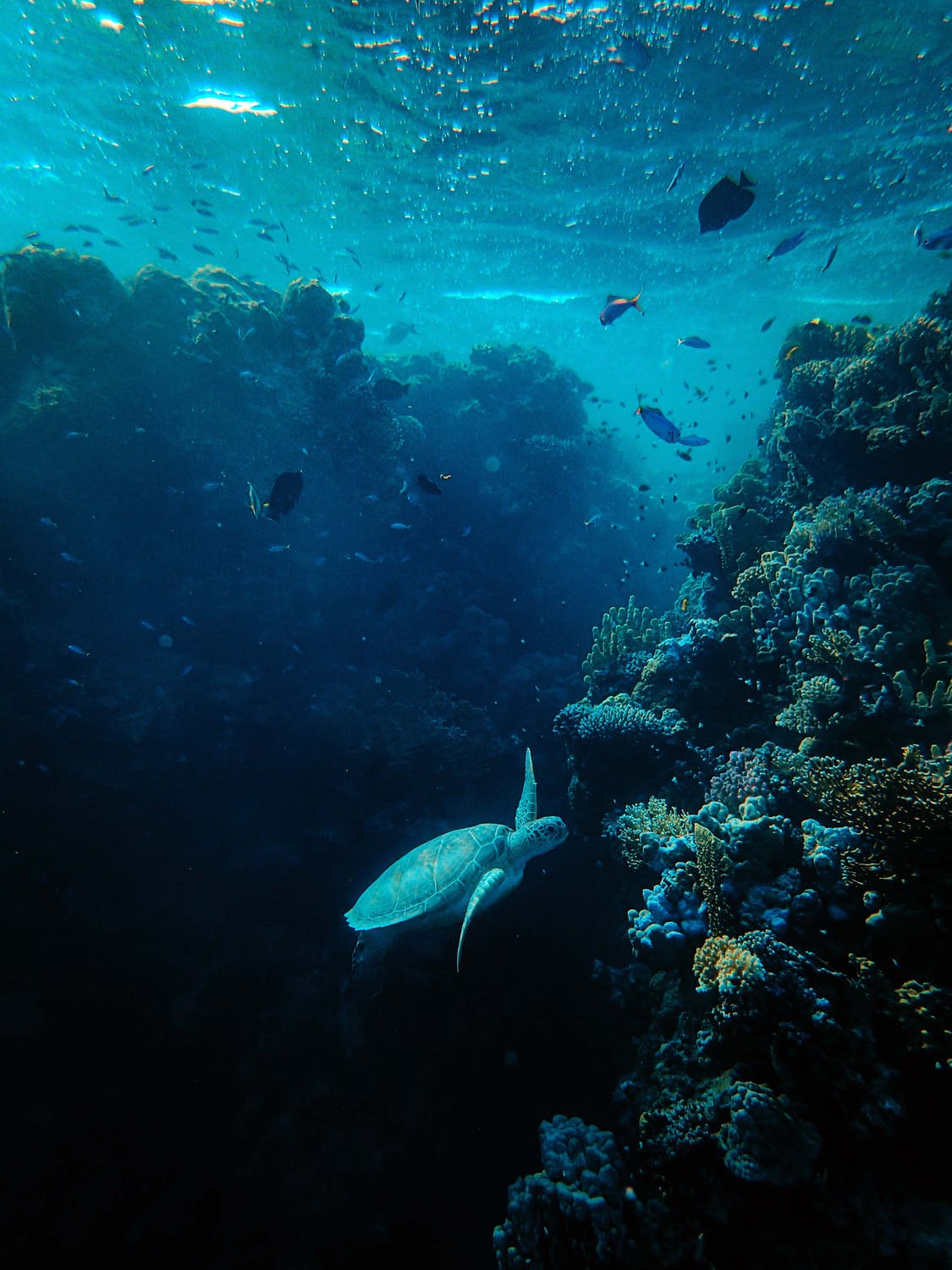
A Connected Regional Seascape
The action plan uses the Caribbean Biological Corridor as a subregional platform for cooperation among Greater Antilles nations, including Haiti, the Dominican Republic, Jamaica, Cuba and Puerto Rico. Its purpose is to connect protected areas that have often been planned and managed within national boundaries.
The launch took place during the Ocean Pavilion side event, “Connected Seas, Collective Action: Making 30×30 Count”. The initiative is supported by WCS, the UN Environment Programme, Caribbean Biodiversity Fund and REV Ocean, with shared science and conservation finance forming part of the proposed approach.
Pamela Castillo, 30×30 Marine Director at WCS, said:
“The ocean knows no borders, and neither should our conservation efforts,”
Pamela Castillo, 30×30 Marine Director at WCS, said:
“Progress toward global marine 30×30 targets risks falling behind amid growing pressures on ocean ecosystems, governance gaps, and limited resources. Regional cooperation is key to turning isolated protected areas into effective networks and shared ambition into collective impact. We are proud to have contributed technical expertise and support to develop the CBC’s 30×30 Marine Strategic Action Plan, working alongside our trusted partners.”
Science For Offshore Protection
A central focus of the plan is protection beyond individual coastal sites. By identifying shared offshore areas and migratory corridors for threatened marine species, the partners aim to connect political commitments with implementation across the wider seascape.
The announcement also drew attention to a planned 2027 REV Ocean scientific expedition. The expedition is expected to provide baseline data for multi-nation conservation agreements and joint offshore protection, offering a common evidence base for decisions across the region.
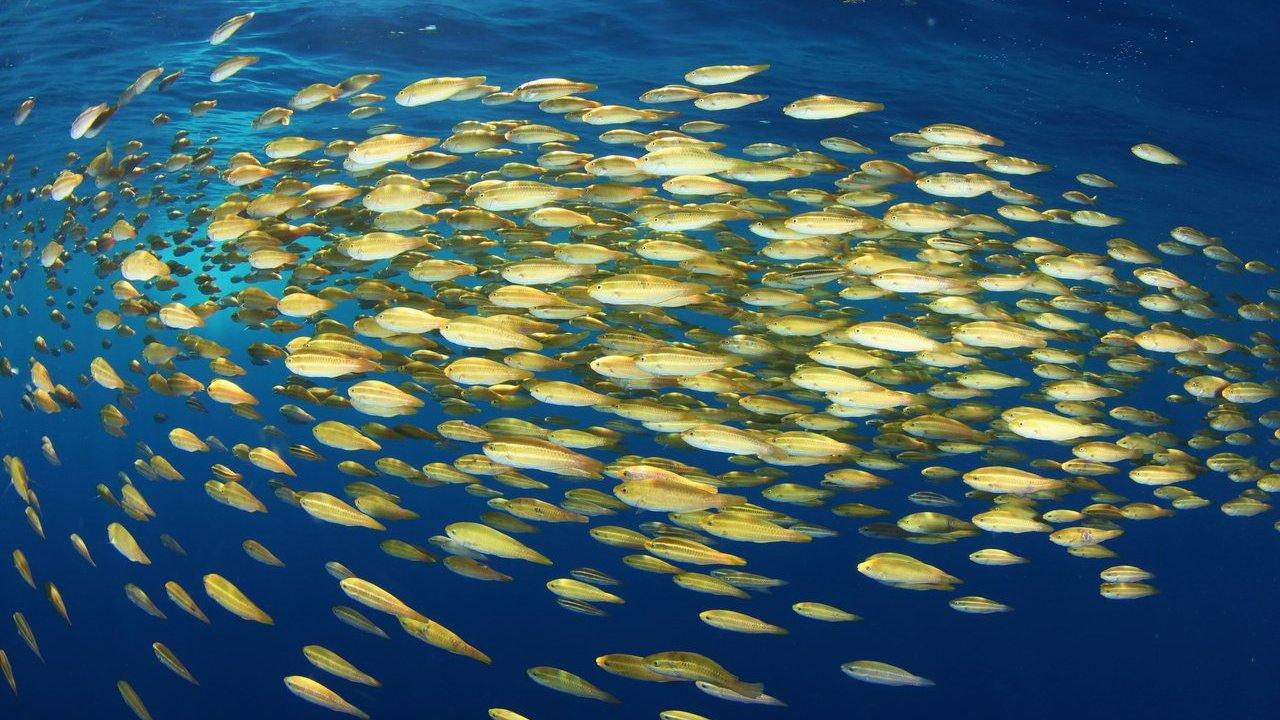
That scientific work is intended to support ecological connectivity, the links between habitats that allow marine life to move, feed and reproduce. The plan positions those links as a practical consideration for governments seeking to make protected areas work as a network rather than as separate sites.
National Leadership In Jamaica
Regional collaboration is paired with national policy work. Jamaica’s protected-area programme is aligned to the Global Biodiversity Framework and informed by the CBC plan, according to the country’s Special Envoy for Climate Change, Environment, Ocean, And Blue Economy.
Ambassador Prof. Dale Webber, Jamaica’s Special Envoy for Climate Change, Environment, Ocean, And Blue Economy, said:
“Jamaica is working assiduously to expand the country’s protected area network towards the achievement of the 30×30 target, including through its Overarching Policy for Protected Areas. As a member of the CBC, Jamaica’s Programme of Work on Protected Areas, aligned to the GBF, is also informed by the CBC 30X30 Plus Marine Action Plan. By creating a new Ministry of Water Environment and Climate Change, the Government continues to demonstrate policy leadership and will further showcase this in 2029 when Jamaica will host the 13th Our Ocean Conference.”
The CBC has served as an intergovernmental environmental cooperation platform for nearly two decades. Its role in this plan is to give participating countries a structure for coordinating conservation across shared terrestrial and marine ecosystems.
Funding Across Borders
The partners have also identified conservation finance as a key issue for transboundary marine work. Conventional funding can be limited to investments within one country, even where habitats and species cross maritime boundaries.
The plan calls for funding windows that can support work across countries and reduce the risk associated with multi-country initiatives. This would give transboundary corridors financial support beyond initial political commitments, while helping partners put regional plans into operation.
José “Pepe” Gerhartz, Conservation Specialist at the CBC Secretariat, said:
“Our countries share an ocean, and the responsibility to protect it. Through the CBC 30×30 Plus Marine Action Plan, we can connect national efforts into a common regional vision, protecting the habitats and ecological connections that sustain marine life and local coastal communities across the Greater Antilles. Success must be measured by what we conserve and how well we conserve it. This plan is an opportunity to turn global ambition into lasting protection for the Caribbean’s marine biodiversity.”
Making 30×30 Count
As the conference focuses on implementing the Global Biodiversity Framework, the CBC 30×30 Plus Marine Action Plan provides a regional route from international targets to coordinated marine protection. Its emphasis on connected habitats, joint science and cross-border finance reflects the practical work needed to conserve ecosystems that do not follow national borders.
For the Greater Antilles, the plan creates a shared framework through which national conservation programmes can contribute to a wider regional seascape. The next test will be translating this common vision into durable agreements, protection measures and funding for the waters and communities it covers.