The Government of Gabon and African Parks have signed a Priority Support Plan to strengthen conservation management at Moukalaba-Doudou National Park and the Wonga-Wongué Presidential Reserve. The agreement marks African Parks’ first official partnership in Gabon and begins a new phase of support for two protected landscapes where equatorial rainforest meets the Atlantic Ocean. Initial work will examine ecological priorities, community involvement, staffing, infrastructure and operational requirements. The programme also places human-wildlife conflict, particularly elephant crop destruction, among the issues requiring closer assessment.
A New Conservation Partnership
The agreement was signed through Gabon’s Ministry of Water and Forests, in charge of Human-Wildlife Conflict, following an invitation from Gabon’s National Parks Agency to assess the potential for a long-term collaboration. African Parks carried out a feasibility study with the agency, government institutions, conservation partners, funding bodies and local stakeholders.
The Priority Support Plan forms part of Gabon’s National Growth and Development Plan, which seeks to expand sustainable management across the country’s protected-area network through technical and financial partnerships aligned with national conservation and sustainable-use priorities.
Omer Ntougou Ndoutoume, Executive Secretary of Gabon’s National Parks Agency (ANPN), said:
“Gabon’s national parks constitute an exceptional heritage, the preservation of which relies on rigorous management and strong partnerships. With this Priority Support Plan, we are taking a new step towards strengthening conservation and enhancement in Moukalaba-Doudou and Wonga-Wongué, whilst ensuring that local communities are fully taken into account.”
Linked Forest And Coastal Habitats
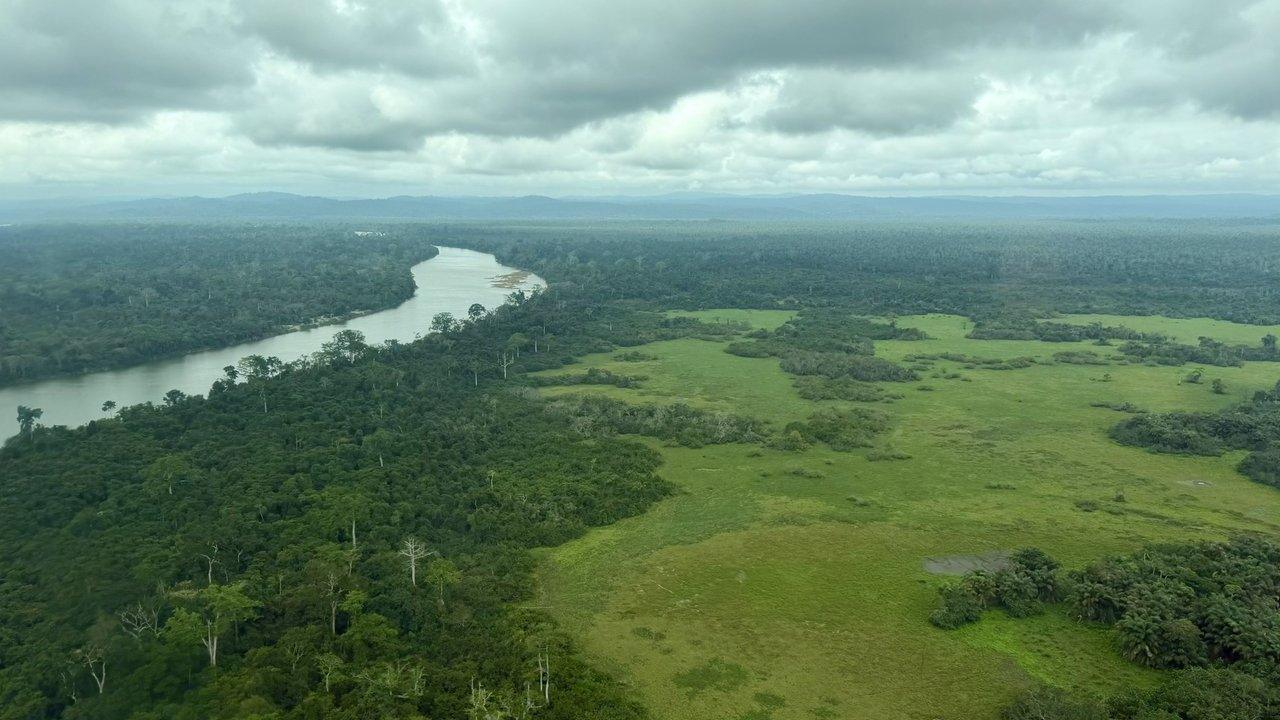
Moukalaba-Doudou National Park and the Wonga-Wongué Presidential Reserve contain tropical forest, savannah, rivers, wetlands, mangroves, coastal lagoons and beaches. Their connected habitats support forest elephant, forest buffalo, western lowland gorilla, chimpanzees, mandrills, leopard, manatees, sea turtles and other marine species.
Wonga-Wongué, established in its current form in 1972, includes forests and savannahs near the Ogooué delta, an area with a significant Central African mangrove ecosystem. The reserve also contains archaeological and cultural sites, including early Iron Age remains and locations linked to the transatlantic slave trade.
Moukalaba-Doudou is among Gabon’s most diverse protected areas, spanning lowland tropical forest, savannah, the Doudou Mountains, major river systems between the Congo and Ogooué basins, and coastal habitats connected to marine protected areas in the Atlantic.
Building A Clear Baseline
The initial plan is designed to improve day-to-day management while establishing a detailed baseline for both landscapes. It will support staff and infrastructure, strengthen operational systems and identify the actions required for a future long-term management partnership.
Ecological assessments will sit alongside work on staffing, infrastructure and community participation. This early stage gives the partners a structured basis for deciding where management support is most needed and how the two landscapes can be managed over time.
Peter Fearnhead, CEO of African Parks, said:
“Gabon possesses an extraordinary natural heritage and demonstrates a strong commitment to conserving it. This Priority Support Plan provides an opportunity to work together to better understand these landscapes, support their management and identify future needs. We are honoured by the trust placed in African Parks and look forward to the work ahead.”
Communities And Shared Priorities
Community engagement will be a central part of the project’s design. An environmental and social due diligence process will guide consultation, with safeguards intended to support human rights and social protection for communities living around the protected areas.
Human-wildlife conflict is a priority issue, especially incidents involving elephants and crop destruction. The partnership will seek to better understand these interactions as part of its work on local participation and management needs.
Gabon’s move to diversify its economy beyond extractive industries gives the protected areas added relevance. Healthy ecosystems can create opportunities connected to fisheries, ecotourism, scientific research, nature-based finance and conservation-compatible businesses, while retaining the ecological value that supports those activities.
Foundation For Long Term Management
The Priority Support Plan brings together Gabonese conservation leaders, public institutions, conservation partners and local stakeholders around a shared management programme for two nationally important landscapes. Early contributions from Edith McBean and the Rob Walton Foundation have also helped bring the project to this stage.
By pairing operational support with ecological assessment and community consultation, the agreement gives Moukalaba-Doudou and Wonga-Wongué a practical starting point for stronger protection. Its next steps will determine the requirements for a longer-term partnership centred on Gabon’s natural heritage and sustainable use of its protected areas.