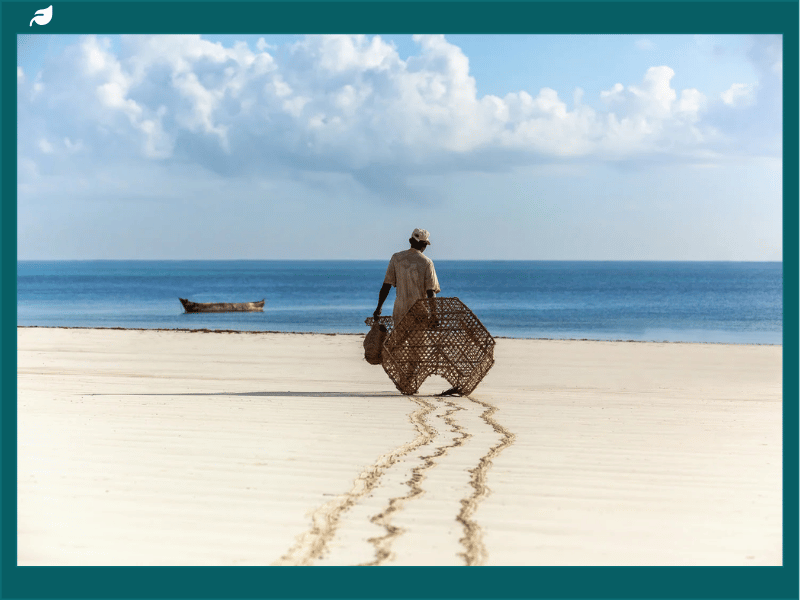
Kenya has officially opened the 11th Our Ocean Conference (OOC11) in Mombasa, marking the first time in the event’s twelve-year history that the global gathering has convened on African soil. Running from 16 to 18 June 2026 under the theme “Our Ocean, Our Heritage, Our Future,” the conference brings together government leaders, scientists, investors, civil society organisations, youth leaders, and ocean advocates to accelerate measurable action across six priority areas: Marine Protected Areas, Sustainable Blue Economy, the Ocean-Climate Nexus, Sustainable Fisheries, Marine Pollution, and Maritime Security.
A Historic Setting for Ocean Governance
The choice of Mombasa as host city carries symbolic weight. Situated on Kenya’s Swahili Coast, the city sits at the convergence of ancient trading routes, vibrant coastal communities, and one of the world’s most biodiverse marine regions: the Western Indian Ocean. For Our Ocean Kenya 2026, the conference represents far more than a diplomatic forum.
“By hosting OOC11, Kenya seeks to leave a lasting imprint on global ocean governance, one that ensures future generations inherit a resilient, productive, and just ocean,” says Hassan Ali Joho, Kenya’s Cabinet Secretary for Mining and Blue Economy.
The conference arrives at a moment of acute urgency. Oceans cover more than 70 per cent of the Earth’s surface, produce over half of the oxygen humans breathe, and support the livelihoods of billions of people. Yet escalating threats from climate change, overfishing, plastic pollution, biodiversity loss, and maritime insecurity have pushed marine ecosystems to the edge. With the global community committed to protecting at least 30 per cent of the world’s oceans by 2030, the gap between ambition and delivery has never been more pronounced.
From Pledges to Progress
Since its founding in 2014, the Our Ocean Conference has evolved into one of the world’s premier accountability platforms for ocean action. More than 2,900 commitments valued at over US$169 billion have been announced through the process, spanning marine conservation, sustainable fisheries, climate adaptation, maritime security, and pollution reduction. OOC11 introduces a strengthened framework for tracking whether those commitments translate into real-world outcomes.
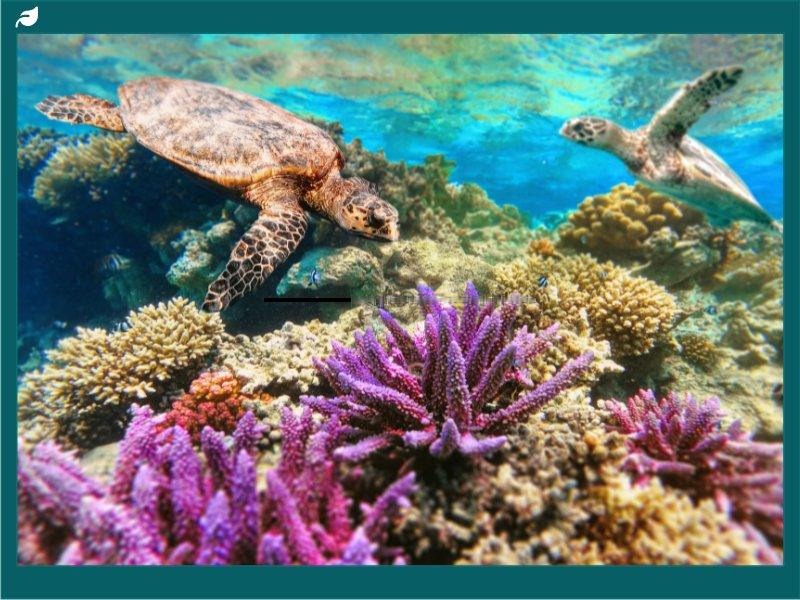
Kenya enters the conference with credible conservation credentials. The country has a long record of community-led marine protection along its coastline, from coral habitat preservation around Malindi-Watamu in the north to Kisite-Mpunguti in the south. Locally managed marine areas in northern Lamu have demonstrated that effective protection can simultaneously support biodiversity, fisheries, and coastal livelihoods. Yet less than one per cent of Kenya’s national waters are currently under formal protection, a gap OOC11 is expected to directly confront.
Africa’s Blue Economy Moment
The decision to host the conference in Africa reflects the continent’s growing strategic importance in global ocean governance. Africa has 38 coastal and island states and some of the world’s fastest-growing coastal populations. The blue economy already supports nearly 50 million jobs and contributes close to US$300 billion annually to Africa’s economy, with projections pointing toward far greater potential if the right investment and governance frameworks are put in place.
Throughout OOC11, Kenya will spotlight investment opportunities spanning fisheries, aquaculture, shipping, marine biotechnology, renewable energy, tourism, and digital ocean technologies. The conference is expected to place particular emphasis on unlocking finance for early-stage ocean innovation ecosystems, supporting startups and community enterprises capable of driving sustainable coastal growth across the continent.
Young innovators, entrepreneurs, and community leaders will feature prominently in proceedings, framed as essential architects of the next generation of ocean governance rather than passive beneficiaries of decisions made elsewhere.
Community-Led Conservation at the Core
A consistent thread running through the OOC11 agenda is the argument that ocean protection only succeeds when coastal communities are active participants, not bystanders. Kenya’s marine conservation model has long leaned on co-management frameworks that position local communities as partners in planning, governance, restoration, and economic development.
This philosophy aligns closely with a broader push among conservation leaders for Africa to reframe how marine finance flows. As conservationists and investment panels have argued in the lead-up to the conference, if conservation excludes communities, it will not succeed. Jobs, enterprise development, sustainable tourism, aquaculture, and blue carbon initiatives need to be embedded in conservation models from the outset, not bolted on as afterthoughts.
Cooperation, Security, and the 30×30 Target
Kenya has also flagged regional maritime security and illegal fishing as priorities during the conference. The Western Indian Ocean faces persistent pressure from illegal, unreported, and unregulated (IUU) fishing, which undermines fish stocks, coastal livelihoods, and the governance frameworks that conservation depends on.
On the regulatory front, the High Seas Treaty entered into force in January 2026, with its first Conference of Parties scheduled for January 2027. OOC11 arrives at a pivotal moment to turn the treaty from text into action, particularly for African coastal states with significant stakes in high seas governance.
“Our Ocean was founded on action. Kenya’s ambition is to ensure that Our Ocean 2026 accelerates progress, for Africa, for the world, and for generations to come,” says Min. Joho.
As the conference unfolds over three days, the measure of OOC11’s success will ultimately rest not on the volume of commitments announced from the podium, but on the durability of the partnerships built on Mombasa’s Swahili Coast.