A new digital platform launched by Embratur, Brazil’s Agency for International Tourism Promotion, is showcasing the country’s national and state parks to international audiences, positioning nature tourism as a driver of conservation, local economies and cultural connection.
The portal, available at parquesnaturais.visitbrasil.com, presents curated itineraries across Brazil’s protected areas, combining landscapes, outdoor activities and local communities. The initiative is designed to attract more international visitors to Brazilian parks while promoting tourism that supports conservation and regional development.
Developed under the Visit Brasil brand, the platform brings together seven itineraries that highlight different regions of the country. Two routes are live at launch, with five more set to be added in the next phase of the project.
According to Embratur, the platform goes beyond destination marketing by encouraging visitors to engage with Brazil’s natural environments and the people who live alongside them. The itineraries were selected to offer immersive experiences, while also considering practical factors such as access to airports and transport hubs, visitor infrastructure, and the availability of information for international travellers.
Marcelo Freixo, President of Embratur/Visit Brasil, said the initiative reflects changing expectations among travellers.
“People want to travel with meaning and experience something truly touching. And Brazil has that power to move, to welcome, to transform. Our parks are much more than beautiful landscapes. They hold the history, culture and ways of life of those who live off the land and with it. With this initiative, we are placing these territories at the centre of our international strategy, showing that it is possible to conserve nature, generate income, create opportunities, and still enchant visitors. This is the Brazil we want to reveal to the world,” he said.
The project has been developed in partnership with the Semeia Institute, a philanthropic organisation focused on strengthening the social and economic contribution of Brazilian parks and conservation units. The collaboration aims to link environmental protection with income generation and the recognition of traditional knowledge.
Renata Mendes, Executive Director of the Semeia Institute, said Brazil has significant capacity to expand visitation to protected areas without compromising conservation.
“We currently have about 16 million visits to national and state parks, but we can sustainably reach up to 56 million visits per year. Park tourism provides unique experiences, well-being, in addition to generating employment, income and environmental conservation in these territories. Strengthening visitation to our parks by foreign tourists is a way to position Brazil as a global power in ecotourism and introduce the world to our people and our nature” she said.
The two itineraries available at launch reflect contrasting regions of the country. The Route of Emotions Natural Parks itinerary runs through the northeast, linking destinations across the states of Maranhão, Piauí and Ceará. The route includes Lençóis Maranhenses National Park, known for its white dunes and seasonal lagoons, the Parnaíba Delta, and Jericoacoara National Park.
The itinerary combines coastal and river landscapes with cultural experiences, including traditional crafts and local food. Activities highlighted along the route include kayaking, wildlife encounters and visits to small communities.
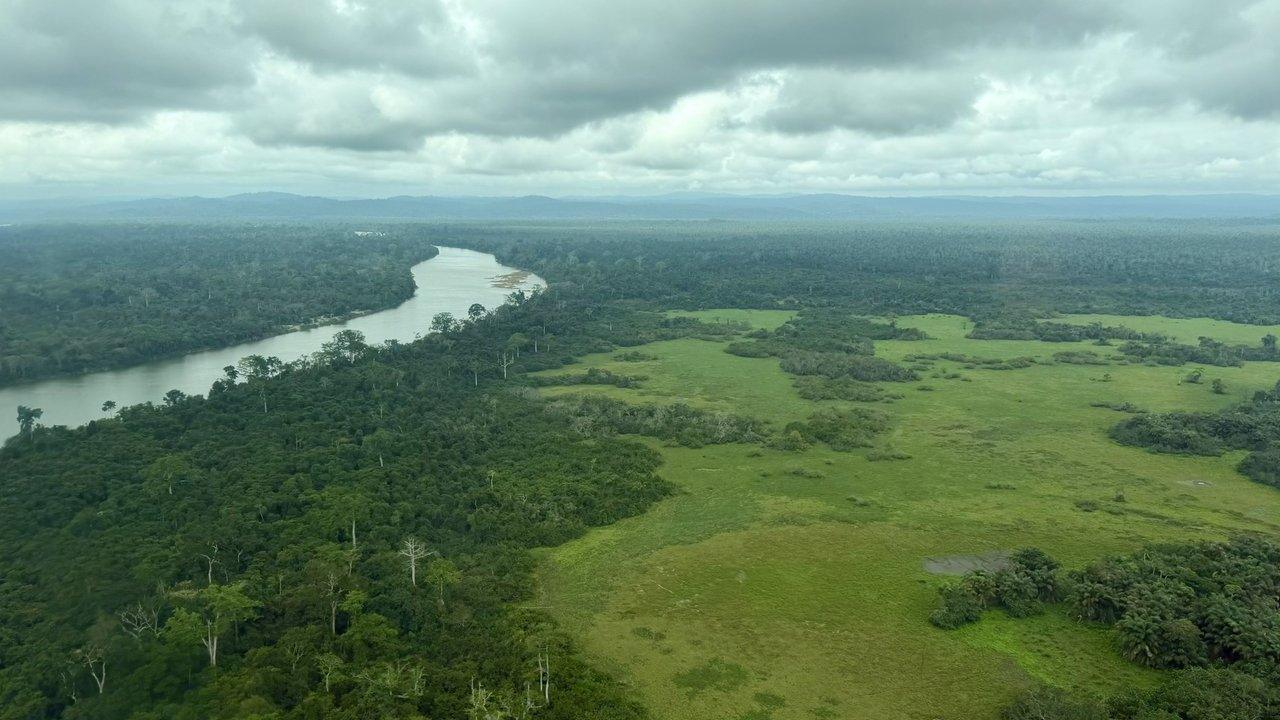
The second itinerary focuses on the Central Amazon, covering protected areas in the state of Amazonas. The route includes Anavilhanas National Park, Jaú National Park and the Adolpho Ducke Forest Reserve, as well as the Mamirauá Sustainable Development Reserve.
Recognised by UNESCO as both a Natural World Heritage Site and a Biosphere Reserve, the Central Amazon itinerary centres on forest and river environments. Experiences featured include river travel, stays in forest lodges, guided walks, and exchanges with indigenous and riverside communities.
Five additional itineraries are planned for future release. Embratur says these will span all regions of Brazil, from the Cerrado savanna and southern canyons to mountain landscapes and indigenous territories, offering international visitors a broader view of the country’s geographic and cultural diversity.
The Natural Parks platform also connects with Feel Brasil, another Embratur initiative that curates tourism experiences across the country. Created with Sebrae, Brazil’s service for supporting micro and small businesses, Feel Brasil brings together more than 100 experiences led by local operators.
Feel Brasil highlights activities ranging from wildlife observation and conservation projects to cultural exchanges and community-led tourism. Embratur reports that around 70 per cent of the experiences are delivered by micro and small businesses, with a majority led by women and a strong focus on social inclusion.
Both platforms sit within the Brasis Plan, Brazil’s International Tourism Marketing Plan for 2025 to 2027. Developed by Embratur in partnership with Sebrae and the Getulio Vargas Foundation, the plan sets out Brazil’s approach to international tourism promotion, with a focus on innovation, diversity and long-term environmental and social responsibility.
Embratur says the Natural Parks platform represents a new stage in how Brazil presents itself to global audiences, shifting attention towards protected areas and nature-based experiences that connect visitors with local cultures and landscapes.
By centralising information and presenting curated routes, the agency aims to make Brazil’s parks more accessible to international travellers, while reinforcing the role of tourism in supporting conservation and regional livelihoods.