The International Sustainability Standards Board has opened a consultation on proposals intended to strengthen nature-related disclosures for investors, with feedback accepted until 19 February 2027. The proposed guidance would help companies report material information on nature-related risks and opportunities, including how their dependencies and impacts can affect business prospects. It builds on the ISSB’s existing IFRS S1 requirements and draws extensively from the Taskforce on Nature-related Financial Disclosures. The consultation arrives as businesses and jurisdictions continue work to apply the ISSB’s sustainability standards for the first time.
More Detailed Nature Reporting
Companies applying IFRS S1, General Requirements for Disclosure of Sustainability-related Financial Information, are already required to disclose material sustainability-related risks and opportunities that could affect their prospects. These requirements include risks and opportunities connected with nature.
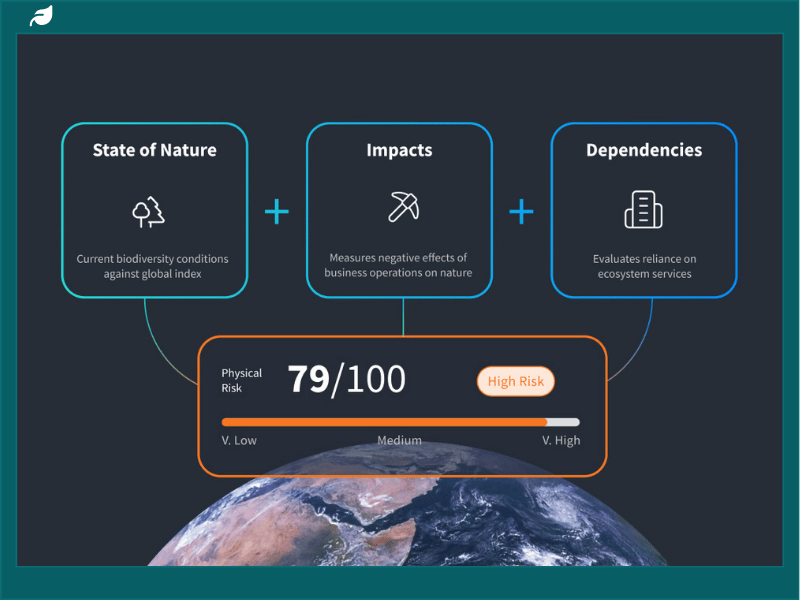
The new proposals provide more detail on how companies can report that information, with the aim of improving the quality and comparability of nature-related financial information worldwide. The Exposure Draft addresses the links between businesses and environmental resources, such as water, rivers and pollination.
Emmanuel Faber, ISSB Chair, said:
“Whether it is access to water for production, to rivers for transportation or to bees for pollination, companies around the world depend on nature. When a company’s access to these environmental resources is threatened the company can face risks and opportunities that affect its prospects.
We believe companies that comply with an IFRS Sustainability Practice Statement on nature-related disclosures will be best placed to provide high-quality reporting to their investors.”
Connecting Financial Information
The ISSB’s proposed approach is designed to avoid reporting on nature as a separate topic from a company’s wider sustainability and financial information. Investors would be able to consider nature-related risks and opportunities alongside climate matters and information in financial statements.
Location is a central consideration in the proposals, reflecting the fact that a company’s relationship with nature can differ across its operations. The draft also emphasises interactions with Indigenous Peoples, Local Communities and affected stakeholders when preparing nature-related disclosures.
A Practice Statement Approach
The proposals take the form of an IFRS Sustainability Practice Statement, a stand-alone part of IFRS Foundation materials that is subject to full due process. The content and drafting of a Practice Statement do not differ from a Standard, but companies would not need to comply with it in order to state compliance with ISSB Standards.
This route is intended to support high-quality reporting without disrupting implementation work already under way. The ISSB is also seeking views on whether the final material should remain a Practice Statement or be issued in another form, such as a Standard.

Sue Lloyd, ISSB Vice-Chair, said:
“We recognise that companies are deeply engaged with applying IFRS S1 and IFRS S2 for the first time. What we’re proposing is to balance the need to give markets time to implement the ISSB Standards well, with the demand from investors for information on nature.”
Compatibility With Existing Frameworks
The ISSB has worked to make the proposed material usable for companies that choose or need to apply other reporting requirements alongside an IFRS Sustainability Practice Statement. This includes the GRI Standards and European Sustainability Reporting Standards.
The effort reflects the practical challenge facing multinational businesses that report under more than one framework. Efficient use alongside existing standards could help companies communicate relevant information without creating separate reporting processes for each framework.
David Craig, TNFD Co-Chair, said:
“I welcome the publication of the ISSB’s Exposure Draft on nature-related disclosures, which draws extensively on the TNFD’s framework. This milestone builds on the momentum achieved over the past five years by TNFD in driving better nature-related reporting and is a testament to both the progress made and the significant demand for high-quality nature-related information. At TNFD, we have now completed our own technical work on assessment and disclosure and we are focused on providing continued support to the ISSB as it finalises its proposals and delivering capacity-building initiatives around the world.”
Consultation Shapes Next Steps
The consultation gives companies, investors and other stakeholders an opportunity to influence how the ISSB develops its nature-related material. Its focus on financially material dependencies, impacts, risks and opportunities offers a structured route for bringing nature into investor-focused sustainability reporting.
For organisations already applying IFRS S1 and IFRS S2, the proposals provide an indication of how nature-related information may be developed within the ISSB’s reporting architecture. Feedback received by 19 February 2027 will inform the board’s decision on the final form and content of the guidance.