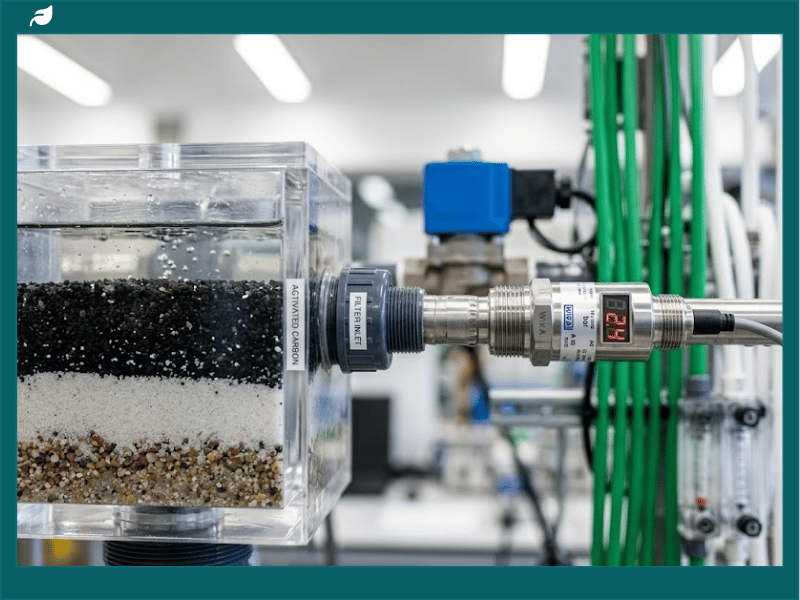
Over 13,000 chemical processing plants operate nationwide, facing the immense challenge of maintaining high production output while minimizing their ecological footprint. For decades, corporate sustainability teams treated carbon footprints, energy conservation, and waste reduction as entirely separate pillars from plant safety and mechanical integrity. This artificial division is actively failing modern manufacturers who must navigate complex regulatory landscapes and heightened public scrutiny.

Image Source: Pexels
Recognizing the Risks
Process safety and industrial sustainability are two sides of the same coin, and separating them leaves facilities vulnerable to catastrophic environmental releases that no amount of green marketing can fix. When a containment vessel fails, or a high-pressure pipeline leaks toxic chemicals, the resulting ecological damage instantly wipes out years of careful carbon accounting. Building a truly resilient industrial strategy requires acknowledging that preventing chemical accidents is the ultimate form of environmental stewardship.
Sustainability reports routinely highlight renewable power adoption and water conservation while completely ignoring process safety management frameworks. Yet a single major containment breach can release massive quantities of hazardous pollutants into local ecosystems, undoing decades of incremental green progress in a matter of hours. Environmental protection agencies closely track these events, noting that industrial facilities face rigorous oversight when managing hazardous chemical inventories and waste streams.
Ignoring the mechanical and operational risks hidden inside complex piping networks creates a fatal blind spot in any corporate responsibility framework. If a plant cannot keep hazardous materials safely contained in closed loops, its long-term environmental goals rest on shaky foundations. True sustainability starts with rigorous engineering controls that keep toxic substances out of the soil, water, and atmosphere.
Corporate boards are beginning to realize that environmental, social, and governance metrics heavily depend on disciplined hazard management. Insurers and financial institutions now evaluate plant safety records before extending capital or favorable underwriting terms for industrial expansion projects. Recognizing this shift lets forward-thinking executives align risk-mitigation budgets with broader green-transition roadmaps.
Integrating Safety Into Corporate Environmental Frameworks
Modern industrial organizations must weave safety protocols directly into their core environmental objectives rather than treating them as a separate legal obligation. When engineers evaluate facility risks, they look closely at how equipment degradation leads to fugitive emissions, chronic leaks, and accidental discharges.
Conducting a thorough process hazard analysis allows plant operators to identify potential failure points before they manifest as major environmental disasters. This proactive stance protects surrounding communities while preventing expensive regulatory fines, legal liabilities, and exhaustive remediation efforts.
Integrating these disciplines transforms safety from a reactive compliance checklist into a proactive driver of long-term ecological health. Operational transparency improves significantly when safety and sustainability teams share critical data across departments.
Here are the core components of this strategic integration
- aligning mechanical integrity programs with corporate emission reduction targets
- training environmental teams to recognize hazardous chemical reactivity risks
- factoring potential spill impacts into broader carbon lifecycle assessments
Leveraging Data and Technology for Unified Risk Management
Advanced technologies now let industrial leaders monitor environmental parameters and safety metrics through a single dashboard. Digital transformation in manufacturing has accelerated adoption of specialized software designed to track equipment health and regulatory compliance metrics. Industry analysts report that the process safety systems market is expanding rapidly as companies recognize the financial and ecological value of predictive maintenance.
By utilizing real-time sensor data, plant operators can detect micro-leaks and pressure anomalies before they escalate into major environmental incidents. This convergence of technologies ensures corporate sustainability targets are supported by rigorous operational controls on the factory floor. Automated monitoring systems reduce human error during routine inspections and lower the risk of unmanaged fugitive emissions.
Shareholders and consumers are increasingly scrutinizing corporate environmental claims, demanding transparency and accountability across all operational tiers. Greenwashing no longer works, partly because modern investors understand that environmental mishaps carry severe financial penalties and lasting reputational damage. Prioritizing process safety safeguards a company’s social license to operate by eliminating the root causes of industrial pollution.
Facilities that invest heavily in robust safety management systems consistently experience less downtime, fewer emergency shutdowns, and a cleaner operational footprint. Protecting the environment and human life requires the same unwavering commitment to operational excellence. A strong safety culture naturally fosters environmental accountability among plant floor personnel, as well as among the managers and decision-makers who are responsible for them.
Building Resilient Industrial Operations That Last
Organizations seeking to deepen their understanding of how operational safeguards intersect with long-term ecological goals will find valuable insights in our internal blog post on modern risk reduction strategies. Exploring these concepts further helps engineering teams design facilities that withstand market pressures and environmental challenges without compromising safety.
Aligning engineering discipline with sustainability objectives helps industrial enterprises thrive for decades to come. Discover more about sustainable business practices and the challenges facing modern companies in many sectors by sticking around on our site and reading the other informative posts we’ve published.