Holcim UK has continued its £75,000 annual Wildlife Enhancement Fund, supporting conservation work near its quarry sites across the country. The fund is available to projects within 10 miles of Holcim UK locations and has already backed survey, restoration and community engagement schemes. Projects led by The Greensand Trust and Cornwall Mammal Group are among those receiving support. The programme combines local ecological research with practical action intended to strengthen habitats and inform long-term land management.
Surveying Quarry Landscapes
Funding from the Wildlife Enhancement Fund has enabled The Greensand Trust to carry out reptile surveys at Rushmere Country Park and Rammamere Heath in Leighton Buzzard. The work adds to local understanding of species using these sites and provides information for future conservation activity.
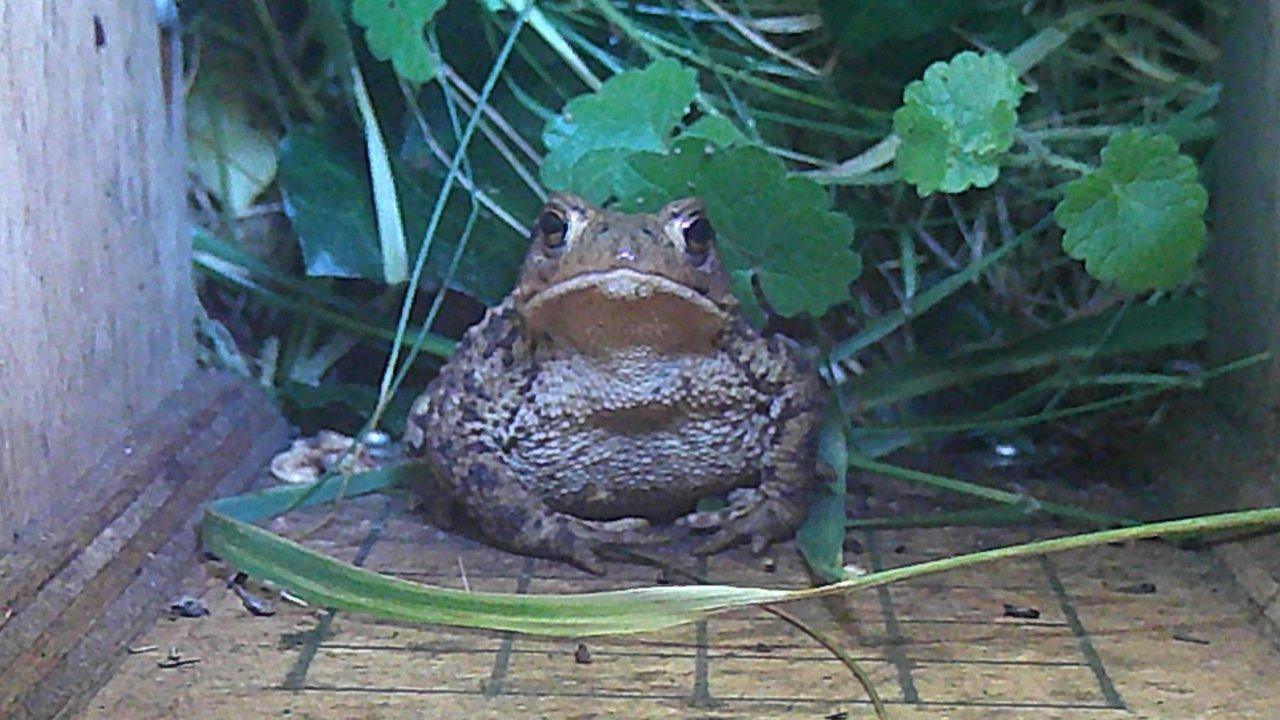
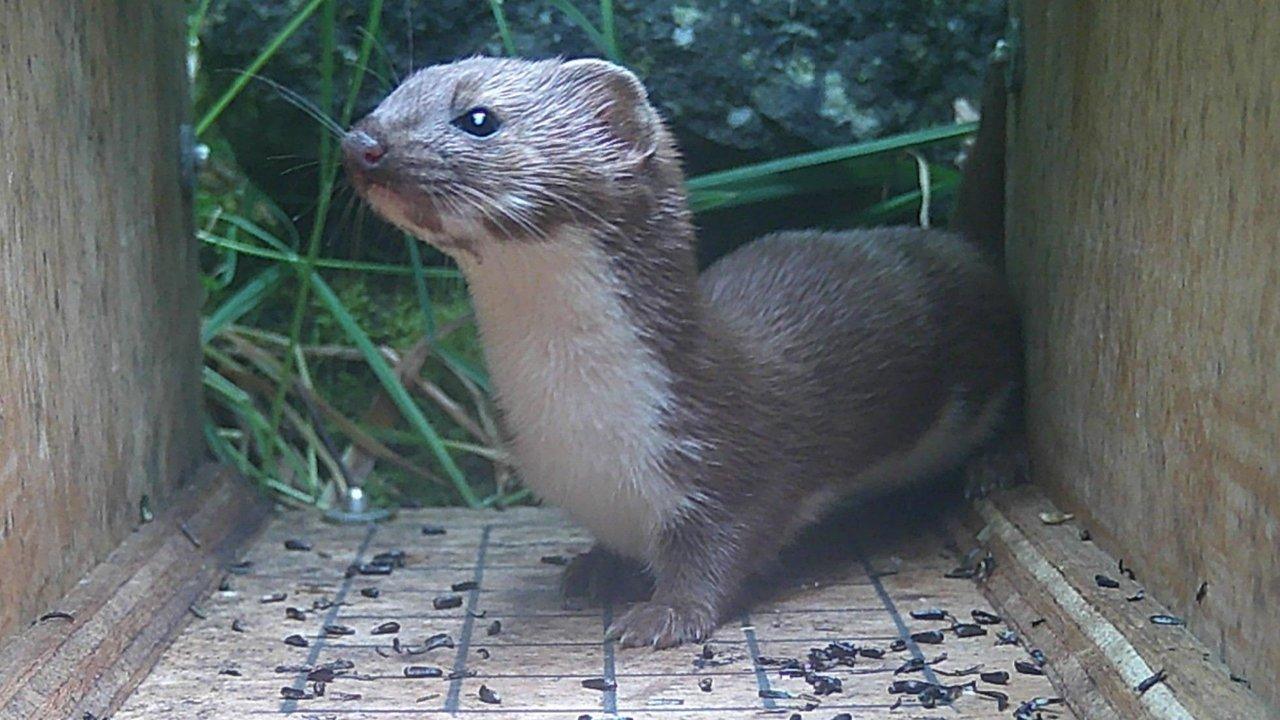
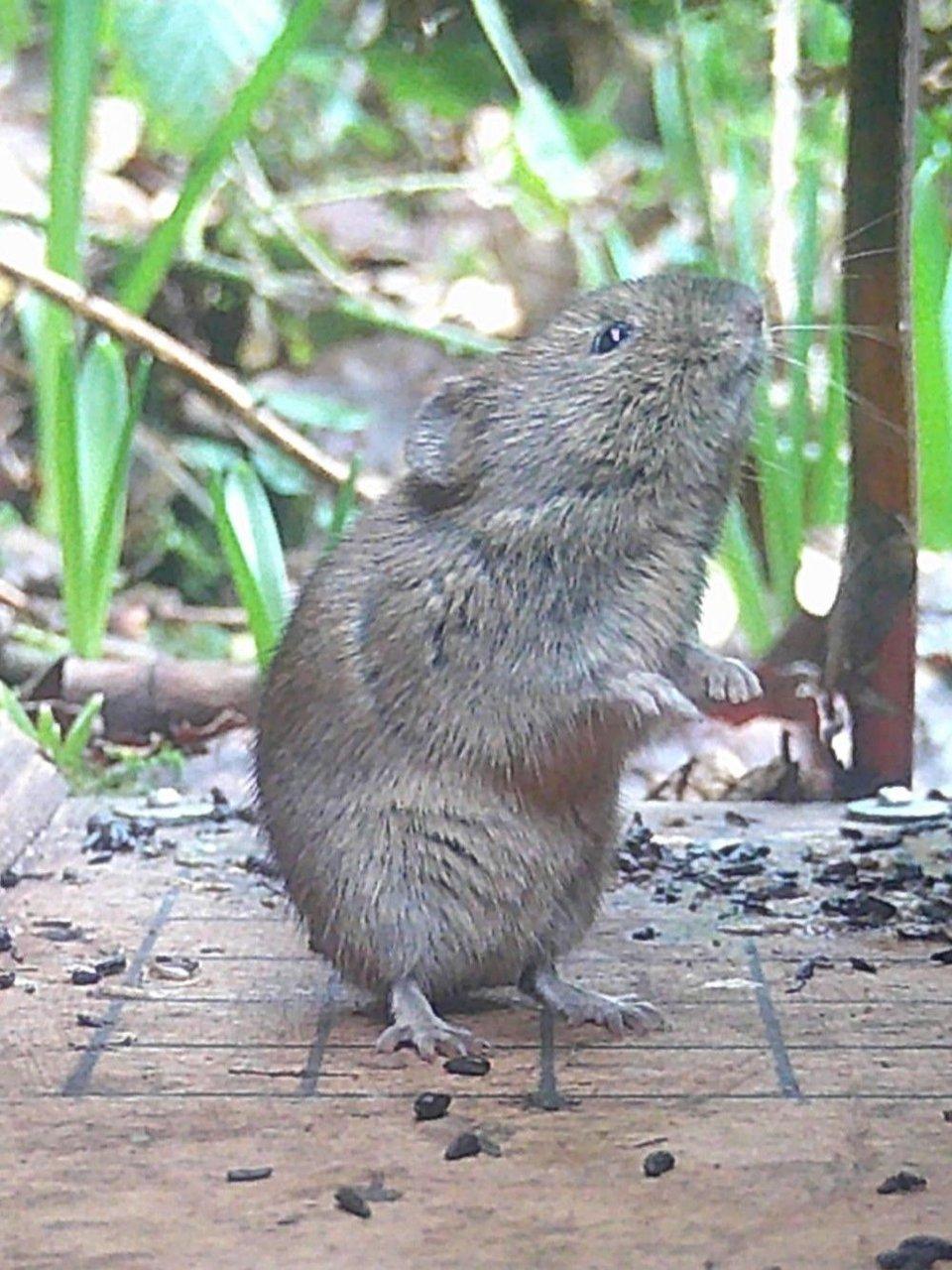
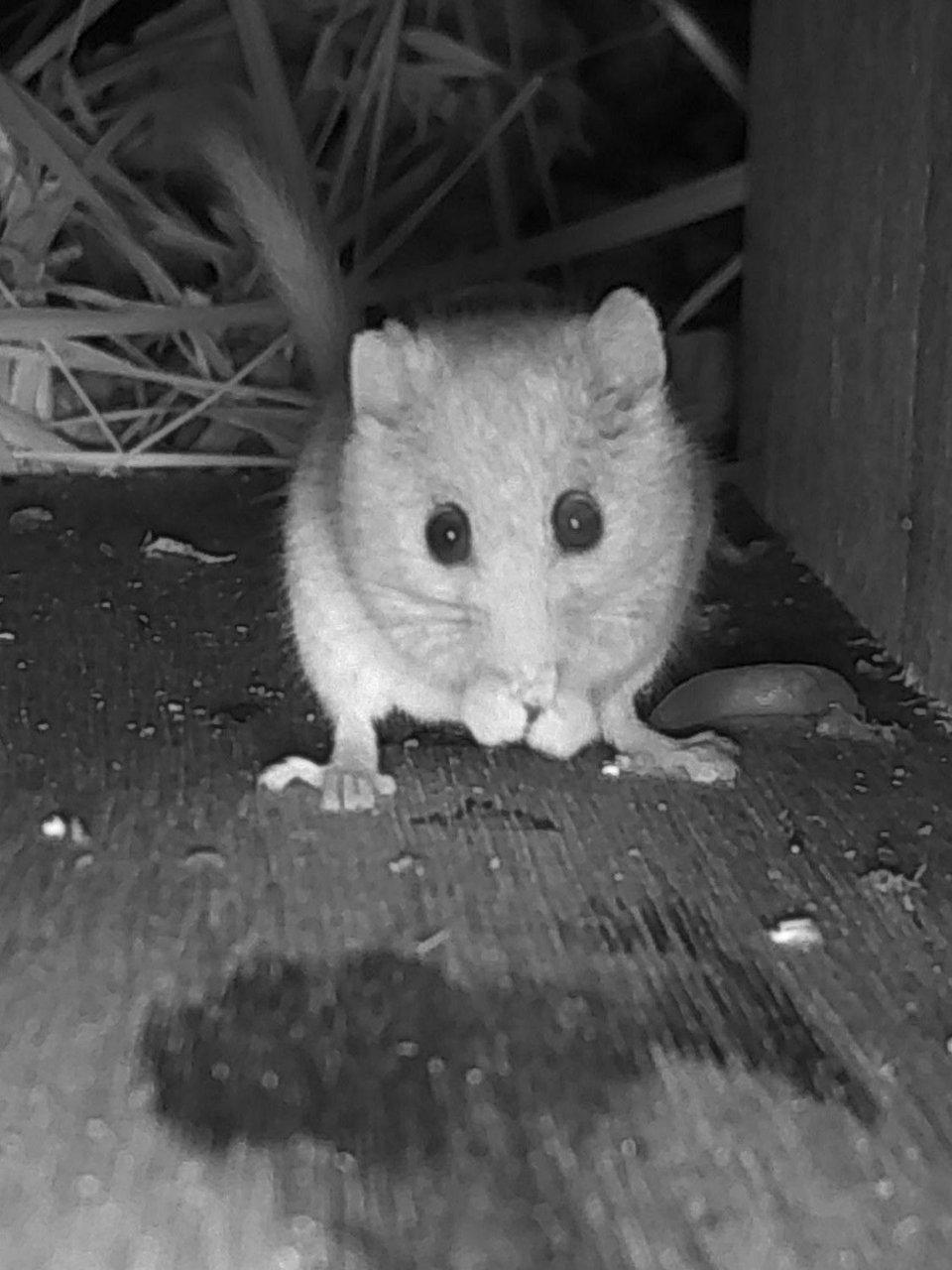
Cornwall Mammal Group has also received support for a 27-month study at Greystone Quarry and other sites in the south west. The group has installed wildlife camera-traps to build a clearer picture of small mammal populations, with findings intended to guide future stewardship and restoration activity.
Dr David Groves, committee member and former chair at The Cornwall Mammal Group, said:
“We have worked closely with Holcim UK for several years to survey working and mothballed quarry sites. The provision of support from the Holcim UK Wildlife Enhancement Fund has enabled us to purchase additional wildlife cameras and to double our survey effort to not only improve our geographical coverage but also look at how small mammal communities change over time and with differing landscape management approaches.”
Supporting Habitat Restoration
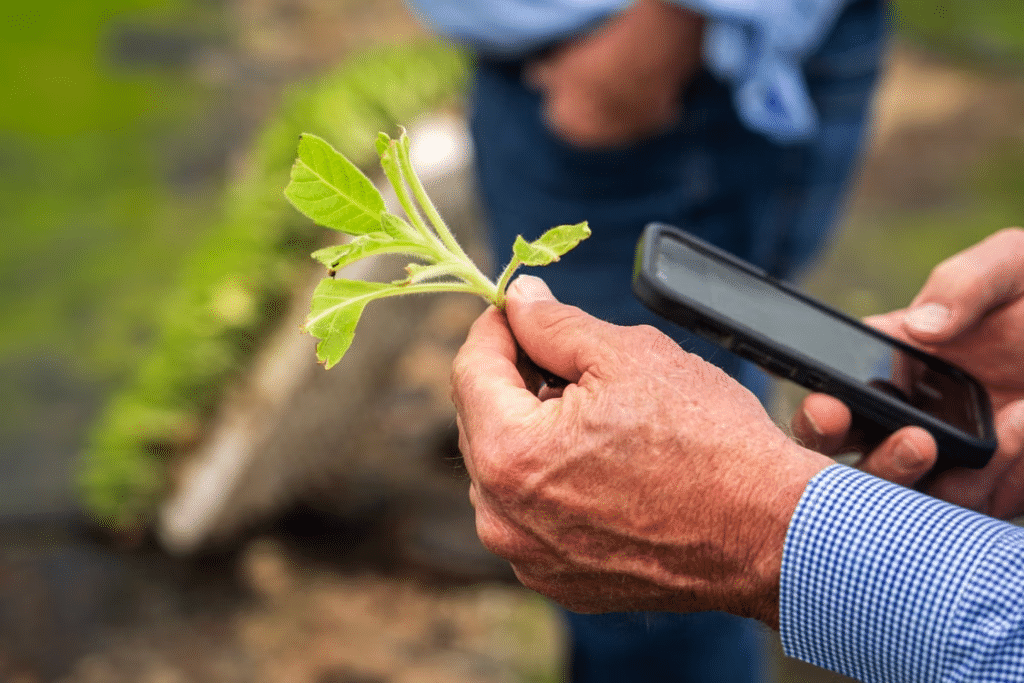
The fund is contributing more than £9,000 towards the expansion of Forestry England’s Together for the Environment volunteer programme at Haughmond Hill in Shropshire. The programme will carry out habitat restoration, invasive species control, wildlife corridor creation and community engagement projects.
These activities are designed to boost biodiversity while encouraging greater public participation in conservation. The focus on volunteers gives local people a direct role in restoring habitats and supporting wildlife connections across the landscape.
Establishing Local Baselines
Further support is helping Burlescombe and Kingskerswell Parish Councils in Devon improve their understanding of local habitats and wildlife. Surveys of the Old Railway Line and neighbouring woodland near Westleigh Quarry will establish an environmental baseline and examine the area’s role as a wildlife corridor.
Assessments at Kerswell Downs will inform a long-term management strategy intended to improve habitats, safeguard species and deliver lasting biodiversity gains. Together, the Devon projects show how local evidence can shape decisions about restoration and land management over time.
Local Action For Nature
Holcim UK’s fund places local organisations at the centre of work taking place around its sites. From camera-trap studies and reptile surveys to volunteer programmes and habitat assessments, the supported projects address both the data needed to understand wildlife and the actions needed to protect it.
Tom Redfern, Head of Sustainability at Holcim UK, said:
“The Wildlife Enhancement Fund reflects our belief in creating sustainable places. This belief extends far beyond our own operations and into the wider landscapes where we live and work. We take our responsibility as stewards of the environment seriously, investing in this fund is just one of the steps we’re taking to safeguard our environment today and for generations to come.
“The projects we have supported demonstrate the important role local organisations play in protecting biodiversity, restoring habitats and connecting communities with nature. By providing targeted funding, we can help turn local ambition into practical environmental action that delivers long-term benefits for wildlife and people alike.
“We have been encouraged by the enthusiasm and quality of applications received so far, and we look forward to supporting even more projects that make a positive difference to the natural environment in the months and years ahead.”
Building Conservation Partnerships
The Wildlife Enhancement Fund gives conservation groups, councils and volunteer programmes a route to support projects close to Holcim UK’s quarry operations. Its current recipients illustrate the value of local knowledge, whether monitoring changes in small mammal communities, identifying habitat conditions or creating corridors for wildlife.
By funding both research and practical conservation work, the programme supports projects with a clear connection to the places surrounding quarry sites. The results from these surveys, restoration efforts and community activities will help shape future stewardship in the areas involved.