Antarctica is the coldest continent on Earth and a place where nature survives in tough conditions. Even with its harsh climate, this remote area is full of interesting features and surprises. Its huge ice sheets, tall glaciers, and unique animals make Antarctica a place worth learning about. Scientists are still discovering new things here, and their work helps us understand global climate and environmental changes. Here are some fascinating facts that show why Antarctica is such a special place.
The Unique Ecosystem of Antarctica
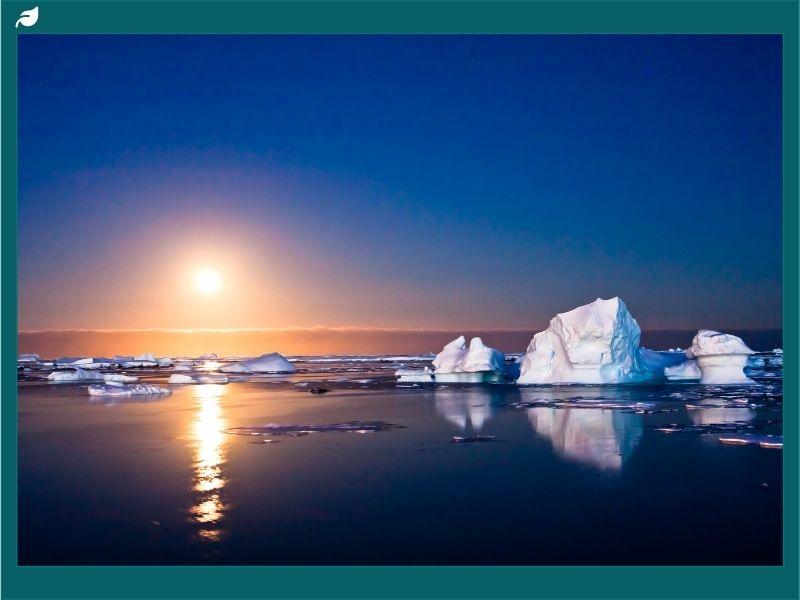
Antarctica’s ecosystem stands unparalleled, blending harsh weather with a delicate balance of life. This icy continent, home to a range of polar species, is unique, combining tough weather with a careful balance of life. Many polar species live here, each with special ways to survive. As the climate changes, these animals and plants face new challenges, showing why it’s important to protect this fragile environment. Learning about their adaptations and the effects of climate change helps us understand both the struggles and the beauty of life in Antarctica.
Despite the barren ice sheet and formidable sea ice, various species have evolved unique strategies for survival. The cold, inhospitable environment challenges life at every turn, pushing species to their limits. Among these remarkable inhabitants are emperor penguins, whose insulated layers allow them to endure temperatures that would freeze most life forms. Other birds, like the albatross, opt for a migratory lifestyle, traversing vast distances across the polar seas to find food. These avian species have evolved unique counter-current heat exchange systems, preventing heat loss and conserving energy crucial for survival in the cold polar landscape.
Terrestrial Antarctica lacks trees and shrubs, yet mosses, liverworts, and lichens flourish, demonstrating extraordinary adaptability. They cling to microhabitats formed by glacial landforms, exploiting minute niches to secure moisture and nutrients. These plants have the extraordinary ability to endure complete dehydration during harsh, dry spells, reviving with the return of moisture. The capability to suspend their metabolic processes until favorable conditions emerge underlines the profound adaptability of these species.
The Weddell seal is a great example of how animals adapt to life in Antarctica. It can store extra oxygen to dive deep and search for food under the ice. Its large eyes help it see in the dark waters. These features help the seal find food and save energy in the cold. Scientists who study these animals learn a lot about how life survives in such a tough place, and each discovery adds to our understanding of Antarctica.
The Impact of Climate Change on Antarctic Wildlife
Climate change poses significant threats to the delicate ecosystems of Antarctica, altering habitats and food availability for various species. The increased temperature rise has profound implications, especially for polar-dependent wildlife. The melting glaciers and receding ice sheets are rapidly transforming the Antarctic landscape, affecting many species’ survival. The shrinking of sea ice is particularly alarming, reducing the habitat for the krill, a cornerstone species of the Antarctic food chain.
This diminishes food sources for higher predators like penguins, seals, and whales, forcing these animals to travel further, expending more energy to find sustenance. Adélie penguins are one group of species experiencing stark impacts of Antarctic climate change. Historically dependent on sea ice for breeding and feeding, their populations in certain areas have declined significantly due to habitat loss.
As a direct consequence of climate alterations, their access to krill becomes increasingly limited. The warming waters encourage the migration of fish stocks toward the poles, providing potentially new, albeit challenging, opportunities for some species but threatening established food webs at the same time.
Moreover, warmer temperatures might also facilitate the spread of invasive species, introducing diseases to which local fauna have no immunity. The emergence of non-native species could disrupt the existing ecological balance, posing additional threats to already vulnerable native populations. Sustainability efforts become paramount, as international cooperation strives to mitigate climatic impacts through conservation initiatives and protected marine areas.
Antarctic science continues to focus heavily on understanding these climate-related transformations. Research stations strategically positioned across the continent provide critical data on environmental changes. Their studies are essential for predicting future conditions and crafting effective conservation strategies.
As expeditions bring scientists and policymakers face-to-face with these challenges, they highlight the urgent need for effective climate action to preserve these unique ecosystems. Thus, the impacts of climate change on Antarctic wildlife underline the importance of global efforts to achieve sustainability and protect one of Earth’s last great wild frontiers.
History of Antarctic Explorations
The history of exploring Antarctica is full of adventure and important discoveries. Many expeditions have traveled to this remote continent, learning about its geography, climate, and unique wildlife. These journeys have played a big role in science and have shown how important sea voyages are for learning about the South Pole. The stories of these explorers highlight human curiosity and determination. This makes Antarctica a key place for global research.
Famous Expeditions and Their Discoveries
The compelling history of Antarctic expeditions is punctuated with stories of bravery and tenacity, as explorers navigated unpredictable and inhospitable conditions to unveil the secrets of the continent.
One of the most renowned expeditions was led by Ernest Shackleton during the early 20th century. Shackleton’s journey aimed to cross the Antarctic continent, and although it failed in its ultimate mission when his ship, the Endurance, became trapped and eventually crushed by sea ice, the subsequent voyage of survival became legendary. This expedition highlighted not just scenarios of human endurance but also contributed valuable scientific findings about the Antarctic region’s geography and climate conditions.
Additionally, Robert Falcon Scott’s Terra Nova Expedition is another iconic chapter in Antarctic exploration history. The primary objective was to reach the South Pole and conduct scientific research along the way. Scott and his team reached the South Pole in 1912, only to discover Roald Amundsen had beaten them there.
Unfortunately, Scott and his team perished on their return journey, yet they provided critical scientific data and insights about Antarctic geology and native species. This advanced global understanding of this frozen land. Recent expeditions continue to build upon these historical foundations, with modern technology enhancing the scope and depth of discovery. Organizations like the British Antarctic Survey and the National Science Foundation organize research programs, deploying scientists to document ongoing change.
Recent expeditions use modern technology to learn even more about Antarctica. Groups like the British Antarctic Survey and the National Science Foundation send scientists to study changes in the region. Their work helps us understand climate change and how the Southern Ocean affects weather around the world.
These ongoing efforts show why it’s important to protect Antarctica as climate challenges grow. Competition to this Antarctic story is also part of the continent’s history. Among the contenders in this historical narrative are Fabian Gottlieb von Bellingshausen, a Russian naval officer, Edward Bransfield, a British naval officer, and Nathaniel Palmer, an American sealer.
Bellingshausen’s account in January 1820 is widely recognized as the first confirmed sighting of the Antarctic mainland. His expedition circumnavigated the continent, which provided early cartographic evidence crucial for future voyages. This era of exploration was characterized by a thirst for discovery and territorial claims. As countries sought to map the uncharted territories, the very idea of documenting the Antarctic landmass could shift geographical understandings of the world’s continents.
The role of these early explorers laid the groundwork for understanding Antarctica’s geographic composition. Their efforts led to more detailed hydrographic charts that informed subsequent naval ventures. The 19th-century voyages were no mere travel escapades. Their contributions to discoveries paved the way for the onset of systematic scientific expeditions that would follow.
Exploring the Antarctic didn’t just enrich geographical knowledge, but it also heralded a new age in scientific research as naturalists began documenting the region’s unique flora and fauna. This sighting initiated a broader curiosity, sparking interest in the harsh, icy expanse that continues to captivate scientists and adventurers alike.
Today, Antarctica’s early exploration tales still serve as inspiration for modern-day studies and are reminders of the continent’s global scientific relevance. The narrative of the first sighting complements the chain of discoveries and expeditions that followed, reinforcing Antarctica’s standing as a central piece in understanding Earth’s ecological and climatic systems.
Understanding Antarctic Research Stations
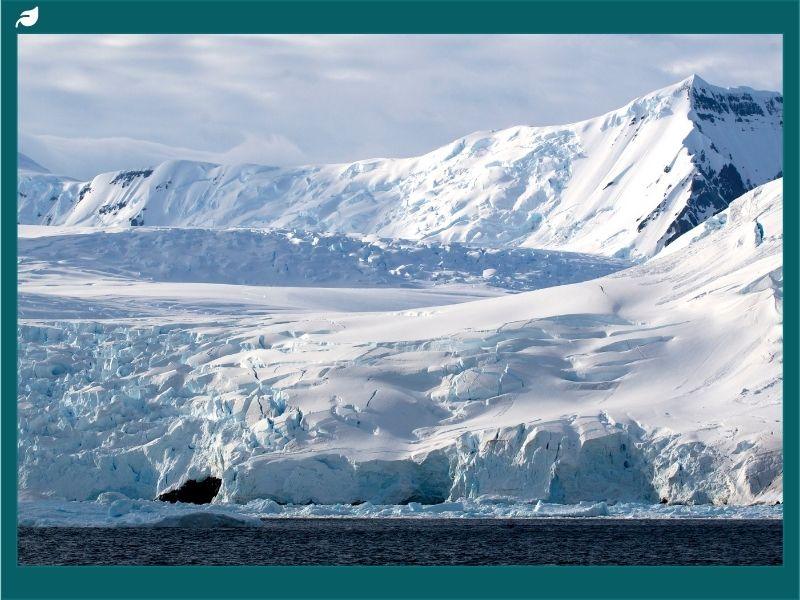
Antarctic research stations serve as pivotal hubs for global science, facilitating groundbreaking studies in this extreme environment. These research centers play an indispensable role in furthering our understanding of Antarctica’s unique ecosystems and climatic patterns.
Scientists and researchers stationed here contribute to critical breakthroughs in earth science. Antarctic research stations are important centers for science, helping us learn about this extreme environment. Scientists here study everything from weather to how animals survive in the cold.
These stations have led to many important discoveries and also offer a glimpse into what daily life is like for people living in such a remote place. Part of their mission is the exploration of the continent’s impact on global weather patterns, including the study of phenomena such as katabatic winds and the circumpolar vortex. By meticulously measuring and analyzing atmospheric data, scientists gain valuable insights into how these unique weather patterns influence climate conditions both locally and globally.
Furthermore, research in Antarctica extends to studying its pristine marine ecosystems, which are home to species that have adapted to thrive under ice-covered waters. These studies are crucial for understanding biodiversity and the intricate relationships within food webs that support life in such harsh conditions.
Notably, research stations have contributed significantly to deciphering the role of krill as a keystone species within the Antarctic food chain. This tiny crustacean is vital for the sustenance of larger organisms like whales, seals, and penguins.
By understanding krill dynamics, scientists can predict potential shifts in food availability that might arise from environmental changes.
Antarctic research stations also spearhead efforts in monitoring ice sheet dynamics and their implications for global sea levels. As ice sheets in Antarctica and Greenland melt, they have become critical factors in assessing future sea level rises.
Studies conducted at these stations employ advanced technology, including satellite monitoring and ice-penetrating radar, to map changes in ice thickness and flow. This data is essential for refining climate models that predict sea-level rise and its global impact. The stations’ role in collecting long-term environmental data cannot be overemphasized, as it provides a continuous record vital for tracking the rapid changes occurring in polar regions.
Collaboration is another cornerstone of Antarctic research stations, uniting international scientists to further global scientific understanding. This cooperation facilitates the exchange of knowledge and resources, enhancing the quality and scope of research conducted.
Collaborative initiatives often lead to groundbreaking discoveries, exemplifying the power of combining diverse expertise to address complex environmental challenges. Antarctic science, fueled by the enduring efforts of these research stations, continues to unlock the mysteries of the continent. Their work provides invaluable insights that influence environmental policies and sustainability efforts worldwide.
Life at a Research Station
Living at an Antarctic research station means doing science, building community, and adapting to a very tough environment. Researchers need to be strong and curious to handle the cold and isolation. While life here is challenging, it also brings special rewards and new ways to understand Antarctica. Each day includes research, working together, and dealing with the extreme weather.
The environment at these stations necessitates a high level of self-sufficiency, as resupply can be limited by weather and logistical constraints. Researchers engage in a range of activities that keep the station operational, from maintaining vital equipment to ensuring heat and supplies are adequate.
This dynamic includes preparation for field missions, wherein small teams venture into the icy landscape for data collection. These excursions, crucial for environmental studies, demand thorough preparation, including planning safe travel routes, managing gear, and adhering to strict safety protocols to minimize risks in this unforgiving terrain.
Despite the isolation, a strong sense of community thrives at research stations. Scientists and staff often form close-knit groups, sharing meals, celebrating holidays, and supporting each other through the demanding aspects of station life. Social activities are integral to maintaining morale during long deployments, fostering a culture of collaboration and mutual support. The communal aspect extends to scientific endeavors, where collaboration is paramount for success.
Research findings are frequently shared among team members, enhancing the collective understanding of the Antarctic environment and allowing for more comprehensive data interpretations. The experience of living in Antarctica also includes adapting to prolonged periods of darkness or daylight, which can test the psychological resilience of station residents. The stark contrasts in the light cycle influence daily life, requiring individuals to adapt their sleep and work schedules to maintain health and productivity.
Such conditions underscore the importance of maintaining a structured routine, ensuring physical fitness, and fostering a supportive community network, all of which contribute to the successful acclimatization to Antarctic life. Life at an Antarctic research station is more than just enduring the extremes. It is about contributing to groundbreaking studies and engaging in experiences that inspire a deep appreciation for this remarkable continent.
The unique lifestyle and challenges of living and working in this remote environment shape each individual’s journey, as they contribute to Antarctic science, collaborate on global environmental initiatives, and return with stories that enhance our collective understanding of Earth’s final frontier.
Life at an Antarctic research station offers a fascinating blend of routine, camaraderie, and cutting-edge scientific exploration amidst a stark and challenging environment. The daily experiences reflect a unique resilience and community spirit that thrives in this remote setting.
- Maintaining Normalcy and Health: Essential daily routines include designated exercise times to counteract the effects of prolonged indoor living. Regular meal times focus on nutrition tailored to manage both physical health and mental well-being. Structured work schedules provide a sense of normalcy and productivity.
- Dealing with Isolation: Personal strategies include journaling and meditation. Community strategies involve scheduled virtual calls with family, organized workshops, and support groups that allow members to share their experiences and feelings.
- Scientific Tasks: Regular activities involve data collection on climate patterns and ice core drilling. Preservation and analysis of collected samples are also important. Scientists coordinate experiments focused on studying the unique ecosystems and atmospheric conditions.
- Fostering Community Spirit: Social events such as weekly movie nights, themed dinners, game tournaments, and cultural exchange nights help to build camaraderie. Members share aspects of their home countries and provide entertainment.
- Field Mission Preparation: These critical steps include comprehensive safety briefings and equipment checks. Team members dress in layers specially designed for extreme cold. They ensure all communication devices are functional to maintain contact with the base.
- Technology Role: Advanced weather prediction systems, communication networks for connecting with the outside world, and specialized equipment for conducting experiments play a crucial role in overcoming the harsh environmental challenges.
- Adapting to Light or Dark Cycles: Strategies include using blackout curtains or light therapy lamps to simulate a more regular day-night cycle. Adjusting work and rest periods helps maintain a healthy circadian rhythm in an environment where natural light can be inconsistent.
The human side of life at an Antarctic research station is a testament to adaptability, innovation, and a deep commitment to scientific discovery.
The Antarctic Peninsula: A Rapidly Changing Region
The Antarctic Peninsula is known for its beautiful views and important ecosystems, but it also faces serious environmental challenges. Climate change is causing temperatures to rise and ice to melt here. Learning why these changes happen is important because they affect the whole planet. The peninsula is a key area for research and conservation, showing us how vulnerable polar regions can be and why action is needed.
| Aspect | Details | Global Implications | Conservation Efforts |
| Climate Change Effects | Rapid warming observed, causing glacial melt and ice shelf instability. | Contributes to rising sea levels and global climate patterns disruption. | International treaties aim to mitigate emissions and track changes. |
| Environmental Significance | Biodiversity hotspot with unique ecosystems vulnerable to changes. | Loss of species could disrupt marine food webs and global biodiversity. | Research and monitoring programs to preserve native species. |
| Scientific Endeavors | Studies focus on climate dynamics and ecological impacts of ice loss. | Provides critical data for climate models and environmental forecasts. | Collaborative research initiatives enhance data sharing and analysis. |
This table highlights the intricacies of the Antarctic Peninsula’s environmental challenges and its broader impact on global ecosystems.
Causes of Temperature Rise
The temperature rise on the Antarctic Peninsula is among the fastest observed anywhere on Earth, offering a sobering insight into climate change’s immediate effects. Over the past 50 years, the region has warmed by nearly 2.5 degrees Celsius—around five times the global average.
Various factors drive this phenomenon, with greenhouse gases playing a pivotal role. The burning of fossil fuels has increased atmospheric concentrations of carbon dioxide and methane, trapping heat and altering climate systems profoundly. This is not merely an isolated regional change but part of a broader global pattern necessitating attention and action.
It’s crucial to understand that the geographical location of the peninsula further exacerbates these temperature variations. Adjacent to the Southern Ocean, the surrounding waters have warmed significantly, influencing thermohaline circulation—a critical regulator of global ocean currents.
Consequently, warmer water temperatures contribute to the melting of ice shelves, triggering a feedback loop where reduced ice cover results in less reflection of solar radiation, known as albedo effect, increasing warmth and accelerating ice melt further. This interplay between oceanic and atmospheric conditions underscores the interconnectedness of environmental systems around Antarctica.
Furthermore, studies indicate that changes in atmospheric circulation patterns around the peninsula are linked to temperature increases. The strengthening of the westerly winds, particularly due to shifts in the polar jet stream, has been a factor.
These winds bring warmer air from the mid-latitudes into the polar regions, disrupting weather patterns and contributing to the decline in sea ice extent. Not only does this affect regional climates but it also holds implications for global weather systems, considering the crucial position of the Antarctic Peninsula in global energy and moisture circulation.
Addressing these causes requires comprehensive scientific analysis and significant international cooperation. Researchers continuously gather data from the peninsula via ground stations, satellite observations, and oceanographic surveys to develop robust climate models.
These efforts are imperative not only for understanding the peninsula’s current state but also for predicting future climatic changes. Such scientific endeavors also inform policy decisions, advocating for reductions in greenhouse gas emissions as part of global environmental strategies.
Effective mitigation measures are essential if the warming trajectory on the peninsula and similar polar regions is to be curbed, aiming to preserve both regional ecological balance and broader global climate stability.
Environmental Significance
The environmental significance of the Antarctic Peninsula transcends its geographical boundaries, influencing ecological and climate systems globally. Recognized as one of the most biologically active regions in Antarctica, the peninsula supports diverse species, many of which are uniquely adapted to its harsh, variable climate.
This unique biodiversity includes iconic species like the Antarctic krill, which forms the cornerstone of the entire Southern Ocean food web. The survival and proliferation of krill directly influence higher trophic levels, including seals, penguins, and whales, highlighting the critical ecological balance maintained within this environment.
The peninsula’s role extends beyond local ecosystems, impacting global climate dynamics. The West Antarctic Ice Sheet, partly resting on the peninsula, is one of the world’s largest ice reservoirs.
Its potential melting is a significant driver of global sea level rise concerns. The loss of ice from this region contributes to increasing ocean levels, an issue with dire implications for coastal infrastructure and human populations worldwide.
As ice recedes, scientists observe alterations in ocean salinity and temperature gradients, which can disrupt ocean currents imperative for regulating the world’s climate systems.
Moreover, the Antarctic Peninsula serves as a natural laboratory for studying environmental changes. Efforts by scientists at research stations scattered across the peninsula provide invaluable data on glacial dynamics, wildlife populations, and climate feedback mechanisms.
These studies are crucial for understanding how quickly and profoundly changes can happen in polar ecosystems and their implications for habitats elsewhere. For example, the weakening of the ice sheet here is an early warning signal for potential similar impacts in Greenland and other icy regions, making this area a bellwether for global climate shifts.
Conservation efforts focus heavily on preserving the peninsula’s ecosystems due to these intertwined global and local impacts. Initiatives like the establishment of marine protected areas aim to safeguard biodiversity and ensure sustainable human interaction.
In addition, international agreements, such as the Protocol on Environmental Protection to the Antarctic Treaty, underscore the need for committed global action to protect this vital region. This commitment is necessary to not only retain its environmental significance but also to ensure that the Antarctic Peninsula’s ecosystems continue to support global biodiversity and climate health.
Consequently, efforts must center on sustainability and scientific collaboration to counteract threats and preserve this dynamic environment for future generations.

Myths and Facts About the Antarctic
The Antarctic is shrouded in myths that often distort the truth about this remote polar region. One common misconception is that the entire continent is devoid of life, a barren ice desert.
However, the reality is that Antarctica hosts a surprisingly diverse ecosystem, particularly in its coastal areas, supporting a variety of species uniquely adapted to cold, harsh conditions. Insights from prior expeditions, like those documented in earlier content, reveal fascinating fun facts about Antarctica, including the presence of resilient flora like lichens and mosses that thrive in microhabitats created by its icy landscape.
Another myth suggests that Antarctica’s vast ice sheets have been permanently frozen since time immemorial. The truth, however, is that this icy expanse has undergone significant changes over millennia.
Understanding Antarctica’s historical climate fluctuations is crucial for deciphering the current impacts of climate change on polar ice dynamics, as discussed in previous sections. Scientific discoveries have shown that periodic variations in ice thickness and coverage occurred even before the industrial age, underscoring the region’s dynamic nature and its susceptibility to climate shifts.
Some believe Antarctica was first sighted in the modern era by lone explorers, each racing to lay their claim. In truth, the story is more complex.
As mentioned earlier, multiple explorers including Bellingshausen, Bransfield, and Palmer were involved in its discovery around 1820. Their concurrent sightings fuel a narrative rich with adventure and competition, shaping the region’s history that continues to captivate historians and polar enthusiasts.
Such debunking of myths not only enriches historical knowledge but also highlights the collaborative spirit that has characterized Antarctic exploration through time.
There are misconceptions, too, about the safety of Antarctic expeditions, often viewed as perilous journeys fraught with insurmountable risks. While the conditions are indeed extreme, modern technology and international cooperation have vastly improved safety measures for research stations.
These advancements support ongoing studies into the Antarctic’s environmental significance, ensuring researchers can conduct their work effectively and safely. This reality starkly contrasts with earlier periods of exploration, when expeditions faced greater peril without the benefits of today’s innovations.
Despite common myths, Antarctica’s climate isn’t uniformly cold year-round. Temperatures can vary significantly, particularly on the Antarctic Peninsula where rapid warming has been documented.
This complexity adds depth to global climate models, illustrating changes that resonate beyond the Ice Continent, affecting ecosystems worldwide. Clarifications around such climatic realities are critical as they inform robust debates on environmental policy and conservation strategies.
Misconceptions about the continent’s legal status often suggest it’s a territory up for grabs. In reality, the Antarctic is governed by an international treaty system, the Antarctic Treaty System, establishing the region as a scientific preserve and banning military activity.
This legal framework underscores the importance of international cooperation in managing and protecting Antarctica’s resources, an effort pivotal for sustaining its ecologically significant and biologically diverse ecosystems amidst global environmental changes.
Antarctica is a place of extremes, full of natural wonders and scientific surprises. Its beauty and its role in helping us understand Earth’s climate make it truly special.
From its huge ice sheets to its unique wildlife, every part of Antarctica is fascinating. Learning these fun facts helps us appreciate its importance and reminds us how connected our world is.