Butterflies, those mesmerizing creatures that dance through the air with effortless grace, are more than just a delight to the eyes; they hold a treasure trove of intriguing facts. From their transformative life cycles and breathtaking wing patterns to their vital roles in ecosystems, butterflies captivate and surprise us.
Did you know some butterflies migrate thousands of miles each year, or that certain species use cunning camouflage for protection? As silent storytellers of the natural world, butterflies reveal the wonders of evolution and biodiversity, encouraging us to explore their colorful lives and the roles they play in our environment.

The Painted Lady: A Colorful Butterfly
The painted lady butterfly is one of nature’s most fascinating spectacles. Known for its vibrant colors and remarkable journey across continents, this butterfly captivates entomologists and casual observers alike.
Its hallmark features and notable migration provide plenty to explore. This butterfly’s adaptability to various environments sets it apart, making it an essential study for those interested in insect behavior and conservation.
Dive into the habitat and migration patterns of the painted lady, and discover the unique features that make this insect an important player in the ecosystem.
Habitat and Migration Patterns
The painted lady butterfly, with its striking wings, is renowned for its extensive migration patterns, rivalling even that of birds. Found on every continent except Antarctica, these butterflies cover vast distances.
Their migration is driven by environmental factors, including changes in temperature and food availability. After winters in North Africa, millions of painted lady butterflies embark on a journey to Europe, traveling over 9,000 miles, one of the longest insect migrations known.
This remarkable journey is not only a display of endurance but also a crucial aspect of their life cycle and survival.
During their migration, painted ladies inhabit a range of environments, showcasing their adaptability. From the cultivated fields of North America to the wildflower meadows in Asia, these butterflies thrive in diverse habitats.
The painted lady’s adaptability is partly due to their larvae, or caterpillars, which feed on a variety of host plants like thistles and mallows, ensuring that wherever they land, there’s ample nutrition to support their lifecycle. This versatility allows them to expand their range considerably during their migrations.
As they travel, these butterflies contribute to the ecosystem by pollinating plants, making them an important asset to environmental balance.
Unique Features of the Painted Lady
The painted lady butterfly stands out for more than just its wings. Its unique features include adaptive survival strategies and an aesthetic that continues to captivate scientists.
Painted ladies possess wing patterns that act as both camouflage and as a means to confuse predators. The orange, black, and white patterns provide a critical defense mechanism that reduces predation, allowing them to thrive across various landscapes.
Additionally, the wing designs differ slightly between individuals, offering each butterfly a touch of personal identity, a characteristic rarely seen in other insect species.
Beyond its appearance, the painted lady is equipped with remarkable physiological traits. Unlike many butterflies, the painted lady can endure colder temperatures, enabling it to survive in environments that would be inhospitable to other species.
This adaptability is further enhanced by their ability to lay hundreds of eggs, increasing the chances of survival for future generations. The caterpillars hatch with an incredible growth rate, supported by a diet that spans several plant species.
These fascinating traits ensure the painted lady’s continued presence in ecosystems where it plays a critical role in pollination. Indeed, their presence is a testament to nature’s ability to sustain such beautiful diversity.
The Science Behind Butterfly Wings
Butterfly wings hold intriguing secrets that illuminate the world of science. Understanding these wings requires exploring how they affect flight and the role color plays in their function.
Each aspect reveals the fascinating details of these delicate structures. Wings are more than simple appendages; they are tools of survival, offering insights into flight mechanics and species interaction with their environment.
Through various scientific studies, butterfly wings provide an important window into the evolution and adaptability of these resilient insects, showing the complex interplay of anatomy, ecology, and aesthetics.
How Butterfly Wings Affect Flight
Butterfly wings are extraordinary structures engineered by evolution to optimize flight. The anatomy of butterfly wings, including their size, shape, and surface texture, plays a crucial role in their flying capabilities.
Unlike birds, butterflies rely on a unique flap system, which involves twisting and flexing their wings to generate lift and propulsion. This mechanism allows butterflies to glide gracefully, showcasing their fascinating aerial acrobatics.
The science behind this involves the study of aerodynamics similar to other flying creatures but adapted to the lightweight nature of butterflies. The scales covering butterfly wings contribute significantly by creating micro-air flows, reducing turbulence, and aiding in maneuverability. This adaptation ensures that butterflies can navigate complex environments, from dense forests to open fields.
One important aspect of butterfly wings is their ability to release heat, which is vital for maintaining optimal body temperature. Butterflies are ectothermic, relying on environmental heat to become active.
Their wings act as solar panels, absorbing sunlight and dispersing warmth throughout their bodies. This energy management is crucial for survival, enabling them to escape predators quickly.
Moreover, the butterfly’s capacity to travel long distances during migrations is facilitated by their wings’ lightweight yet sturdy structure, which minimizes energy expenditure. Painted ladies, for instance, demonstrate these incredible migratory feats, traversing thousands of miles.
Understanding how butterfly wings affect flight provides insight not only into their survival strategies but also into potential bio-inspired design applications.
The Role of Color in Butterfly Wings
The vibrant colors displayed on butterfly wings are not merely for aesthetic appeal but serve several crucial functions. The science behind these colors involves complex interactions of pigments and microscopic structures that manipulate light.
Some butterflies, like the morpho, use structural coloration produced by microscopic, layered scales that reflect specific light wavelengths, creating vivid hues. These colors are crucial for communication and survival.
They signal to potential mates or ward off predators through aposematism, warning colors that indicate toxicity or unpalatability. In contrast, other butterflies use colors for camouflage, blending seamlessly into their environments to avoid detection.
Color plays an important role in the social dynamics of butterfly communities. During the mating season, vivid colors are employed in courtship rituals, with males often showcasing their most colorful patterns to attract females.
This display is not only about aesthetics but signifies genetic fitness, signaling to potential mates the health and vitality of the individual. Furthermore, variations in color patterns among individual butterflies, such as those seen in painted ladies, can provide a visual cue to scientists studying butterfly populations and their evolutionary mechanisms.
The fascinating science of color in butterfly wings continues to inspire both scientific and artistic pursuits, offering a window into the world of adaptation and beauty in nature.
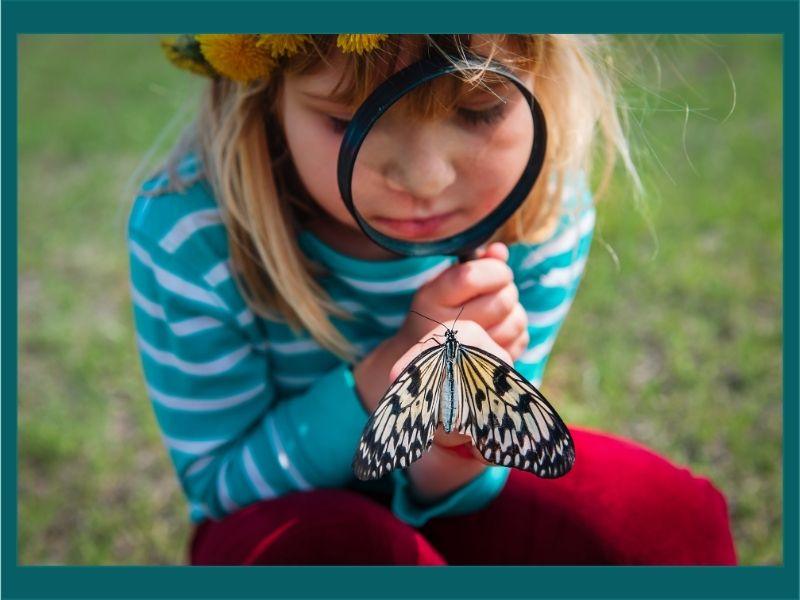
Fun Facts About Butterflies for Kids
Butterflies are truly among nature’s most enchanting creatures, captivating the imagination of kids with their vibrant colors and graceful flight. But there’s so much more to these fascinating insects beyond their aesthetic appeal. Have you ever wondered how butterflies eat or why it’s important that they ‘taste’ with their feet? These facts not only provide a glimpse into their complex lives but also highlight their unique adaptations and roles in the ecosystem. Let’s dive into some fun facts about how butterflies eat and the quirky yet important fact about their taste sensation.
How Do Butterflies Eat?
Butterflies have a unique way of consuming their meals, which is an exciting fact for kids and adults alike. Unlike most animals, butterflies eat through a specialized structure called a proboscis, which is essentially a long, flexible tube. This fascinating adaptation allows them to sip nectar from flowers, acting much like a straw. Originally coiled under the butterfly’s head when not in use, the proboscis unravels when feeding time arrives. This showcases a remarkable example of evolutionary ingenuity. Butterflies don’t chew their food; instead, their diet mainly consists of nectar, which is full of sugary goodness needed for their energetic lifestyle.
In addition to nectar, butterflies sometimes engage in a behavior called “puddling,” where they seek out mud, sand, or dung to obtain essential salts and minerals. During these moments, butterflies absorb nutrients absent in nectar, crucial for reproduction and overall health. Kids are often fascinated by this mud-puddling behavior because it’s a vivid reminder of how multifaceted butterfly sustenance can be.
As caterpillars, butterflies once devoured leaves from various host plants, gaining the nutrients necessary for metamorphosis into the butterflies we’ve come to admire today. This transition from a leaf-eating caterpillar to an adult butterfly with a nectar diet signifies a stark dietary evolution. It showcases the incredible adaptability these insects have in their lifecycle.
Consider the remarkable dietary habits of butterflies, offering more insight into their fascinating feeding behaviors:
- Butterflies need warmth to become active and start feeding.
- They detect food through taste sensors on their feet.
- Nectar-rich flowers with vibrant colors often attract them.
- Butterflies sometimes drink from fruits for additional nutrients.
- They may absorb salt from animal droppings or sweat on rock surfaces.
- Host plants play a critical role in the caterpillar stage.
These facts deepen our appreciation of butterflies’ fascinating and diverse feeding habits.
Interesting Fact: Butterflies Taste with Their Feet
Perhaps one of the most intriguing and amusing facts about butterflies is that they taste with their feet! This incredible snippet from the butterfly world never ceases to amaze kids, conjuring imagery of these creatures wandering about, sampling their surroundings one step at a time.
The undersides of a butterfly’s feet are equipped with special sensors that help them detect the chemical compositions of surfaces they land on, which includes their favorite host plants. This tactile taste sensation is crucial during the female butterfly’s egg-laying process. She ensures that her caterpillar offspring will have the right food sources available once they hatch.
This taste-with-the-feet strategy is an amazing adaptation that underscores the importance of butterflies in maintaining the balance within ecosystems, as they search for the perfect foliage for their young. It signifies how butterflies engage with their environment, making seemingly simple actions rich with purpose.
This ability also signals a fascinating connection between their biological makeup and survival strategies, ensuring that each generation of butterflies is set for success from the moment they leave the egg. By tasting their environment, butterflies contribute to the overall health of habitats, supporting plant diversity and fostering abundant growth, much to the delight of kids learning about these incredible insects.
| Aspect | Description | Significance |
| Metamorphosis | The transformation process from caterpillar to butterfly, including egg, larva, pupa, and adult stages. | Demonstrates nature’s incredible life cycles and adaptations, inspiring curiosity in developmental biology. |
| Wing Patterns | Unique colorations and designs on butterfly wings used for camouflage and communication. | Highlights the beauty of biodiversity and serves as a functional tool for survival and mating. |
| Migratory Behavior | Long-distance travel patterns observed in some butterfly species, like the monarchs. | Showcases navigational wonders and the role of butterflies in various ecosystems across continents. |
| Pollination | The process by which butterflies assist in transferring pollen between flowers while feeding on nectar. | Essential for plant reproduction and maintaining healthy ecosystems, supporting both flora and fauna biodiversity. |
This table beautifully encapsulates the intriguing biology and ecological roles of butterflies, making it an educational delight for young minds.
Unraveling the mesmerizing world of butterflies enriches our understanding of nature’s delicate balance. Their vibrant colors, unique metamorphosis, and essential roles in ecosystems highlight the intricate wonders of biodiversity.
Whether it’s the swift flight of the Monarch or the elusive beauty of the Blue Morpho, these enchanting creatures provide countless opportunities for exploration and appreciation. As stewards of the environment, our responsibility involves preserving these delicate pollinators for future generations to admire. Delving into the lives of butterflies offers not just fascinating insight but also a profound appreciation for the interconnectedness of all living things.