Yellow Monarch butterflies, with their bold black and yellow wings, bring vibrant color to any garden. These important pollinators help plants grow and keep ecosystems healthy. By attracting them, you make your garden more beautiful and support butterfly conservation. Learn about their habits, life cycle, and favorite plants. Find out how to make your garden a welcoming place for Yellow Monarchs.

Understanding the Yellow Monarch Butterfly
The Yellow Monarch Butterfly, or Danaus plexippus, attracts both gardeners and scientists with its bright colors and interesting behaviors. Many people mistake it for the Viceroy Butterfly, but the monarch has its own special features and migration habits. Learning about its appearance and journeys helps us understand what makes monarchs unique and important.
Unique Characteristics of the Yellow Monarch
The Yellow Monarch Butterfly distinguishes itself from its more commonly known orange counterpart by boasting a paler yellow hue that confounds many to mistake it for the Viceroy Butterfly. This subtle variation in color often distinguishes the Yellow Monarch Butterfly from the more familiar orange monarch because of its lighter yellow color, which often leads people to confuse it with the Viceroy Butterfly.
Its size, wing shape, and the clear vein pattern on its wings also make it unique. These features help with camouflage and attracting mates. If you look closely, you’ll notice the detailed scales that create the butterfly’s bright yellow color, a favorite among gardeners.
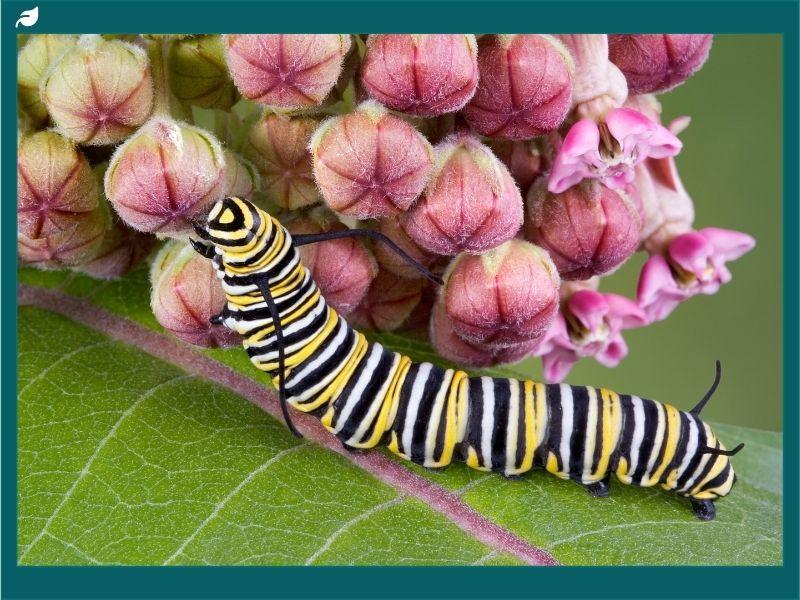
Larvae, or caterpillars, exhibit ravenous appetites for milkweed, a plant vital for their survival and toxic defense mechanisms. This diet imbues them with internal protective qualities, deterring predators with its toxic contents.
Adaptation is also evident in their lifecycle, cleverly timed to coincide with specific seasonal changes. This synchronicity ensures that caterpillars and butterflies thrive despite environmental challenges, maintaining the butterfly population across different locations.
The Migration Patterns of Monarch Butterflies
One of the most amazing things about Danaus plexippus is its long migration across North America. Monarch Butterflies travel thousands of miles, guided by instincts, from the northern United States and Canada to forests in central Mexico for the winter. This journey happens over several generations. Sadly, their numbers are dropping because of climate change and loss of habitat.
For the Yellow Monarch, migration is a way to survive tough weather. They use signals like daylight and temperature to find their way to winter homes. As they travel, adults lay eggs so the next generation can continue the journey. Their migration patterns are different from birds and still puzzle scientists. Protecting their habitats is important for their survival and for the health of the environment.
Creating a Butterfly-Friendly Garden
Designing a butterfly-friendly garden can transform your outdoor space into a vibrant ecosystem that attracts the enchanting Yellow Monarch Butterfly and other species. To create a thriving haven, gardeners must focus on essential elements such as planting a mix of native flora and milkweed, both of which are crucial for supporting butterflies.
By doing so, you provide the caterpillars with nourishing food sources while ensuring the adult butterflies a habitat that’s conducive to their survival. These efforts contribute significantly to conservation and play a pivotal role in bolstering the declining monarch populations and encouraging biodiversity in your garden.
Essential Plants for Attracting Monarchs
A great butterfly garden starts with choosing the right plants for both caterpillars and adult butterflies. Milkweed is especially important for monarchs, as its leaves feed caterpillars and help protect them from predators. You can also plant nectar-rich flowers like asters, lantanas, and coneflowers to feed adult butterflies.
Adding tall plants and shrubs gives butterflies places to rest and breed. Using a variety of plants not only looks nice but also helps create a healthy, self-sustaining garden. Avoid pesticides to keep butterflies and other pollinators safe. With these choices, your garden can become a safe stop for Yellow Monarchs during their migration.
The Role of Native Flora in Supporting Butterfly Populations
Native plants are essential for supporting butterfly populations, including the Yellow Monarch. By choosing plants that naturally grow in your area, you help create a balanced and healthy ecosystem. Native plants need less water and care, and they provide the right food and shelter for butterflies at every stage of life.
Adding native grasses and wildflowers makes your garden more attractive and useful for butterflies. This also helps protect local wildlife and keeps the environment healthy. As monarchs face challenges like habitat loss, planting native species becomes even more important for their survival.
| Essential Components | Key Plants | Role of Native Flora | Conservation Benefits |
| Nectar sources | Milkweed | Supports local ecosystems | Promotes biodiversity |
| Larval host plants | Lavender | Provides food for larval stages | Supports at-risk butterfly species |
| Continuous blooming | Fennel | Adapts to local climate | Encourages pollination |
| Sunny spots and shelter | Bee balm | Minimizes garden maintenance | Enhances ecosystem resilience |
This table provides a concise overview of the critical components and benefits of cultivating a butterfly-friendly garden.
Observing Monarchs and Butterflies in Your Backyard
Creating a butterfly-friendly garden is just the beginning of an enriching experience that allows you to observe magnificent species like monarchs and swallowtails in their natural habitat. With careful planning and an understanding of local flora, your garden can attract a diverse array of butterflies, each with unique colors and behaviors.
Observing these butterflies flying across your backyard provides insights into their life cycles and interactions with birds and other pollinators. This section offers practical advice on identifying various butterfly species, ensuring that your backyard becomes a sanctuary for these remarkable creatures.
Tips for Identifying Different Butterfly Species
Identifying butterflies as they flutter through your garden involves more than admiring their beauty; it’s about understanding the subtle differences that distinguish one species from another. The monarch, with its vibrant wings, is perhaps the most recognizable, yet even this beloved butterfly has look-alikes like the Viceroy that can confuse even seasoned enthusiasts.
Coloration is a key characteristic; while the iconic monarch boasts a bold orange, variations exist, such as the yellow monarch, marked by its lighter hue. Observing wing patterns also aids identification. Monarchs exhibit a distinctive black vein pattern, contrasting with the bird-like mimicry some butterflies employ for defense against predators like birds.
Besides the monarch, swallowtail butterflies capture attention with their large size and elegant tails. These butterflies, often seen flying near milkweed or nectar-rich plants, have distinct patterns that vary widely across species. For instance, the Eastern Swallowtail has yellow and black wings.
Identifying butterflies in your garden means looking for the small details that set each species apart. The monarch is easy to spot with its bright wings, but it has look-alikes like the Viceroy that can be confusing. Color is important—while most monarchs are orange, the yellow monarch has a lighter shade.
Checking wing patterns also helps, as monarchs have a clear black vein pattern, while some butterflies mimic birds to avoid predators.ique is the initial step in preserving their existence.
To enhance your butterfly identification skills, here are additional strategies you might find useful:
- Observe feeding habits; some species prefer specific plants over others.
- Study their flight patterns; each species has a distinct way of flying.
- Examine antenna shapes; these can vary significantly among different species.
- Pay attention to body size and structure, as subtle differences can be telling.
- Notice seasonal appearances; some butterflies are only visible at certain times of the year.
- Check for habitat preferences, as some species thrive only in specific environments.
- Look for unique behaviors, such as basking or puddling, which can aid identification.
These tips can make your butterfly watching more rewarding and informative.
When you make your garden a safe place for the yellow monarch butterfly, you add beauty to your yard and help protect this special species. Planting milkweed and nectar flowers gives them what they need to survive. Watching these butterflies move among your flowers is a joyful way to connect with nature. Be proud of supporting biodiversity and enjoy the magic they bring to your garden and beyond.