The Mexican Government has rolled out new national regulations to protect a suite of threatened Atlantic shark species in line with commitments made from 2009 to 2021 under the International Commission for the Conservation of Atlantic Tunas (ICCAT). Mexico, as a major shark fishing and trading country, plays a key role in the proper conduct of conservation efforts in Central and North America.
ICCAT is responsible for the conservation of tunas and tuna-like species in the Atlantic Ocean as well as all adjacent seas. The organization has 53 relevant Contracting Parties to promote its agenda of marine conservation.
Shark Advocates International, a project of the Oceans Foundation, is dedicated to securing science-based policies for sharks and rays. In collaboration with other environmentalist groups, they form the Shark League of the Atlantic and Mediterranean to advance current conservation efforts.
A report writes that Mexico’s new “Agreement establishing various provisions on incidental catches of sharks in tuna fishing by larger longline vessels in the Gulf of Mexico, the Caribbean Sea and in the Convention area of the International Commission for the Conservation of Atlantic Tunas.”
“Most of the shark species subject to Mexico’s new retention bans — including the Critically Endangered oceanic whitetip and the exceptionally vulnerable bigeye thresher — were granted protections by ICCAT well over a decade ago,” said Ali Hood, Director of Conservation for the Shark Trust. “We simply must pick up the pace and raise the priority for implementing these vital safeguards.”
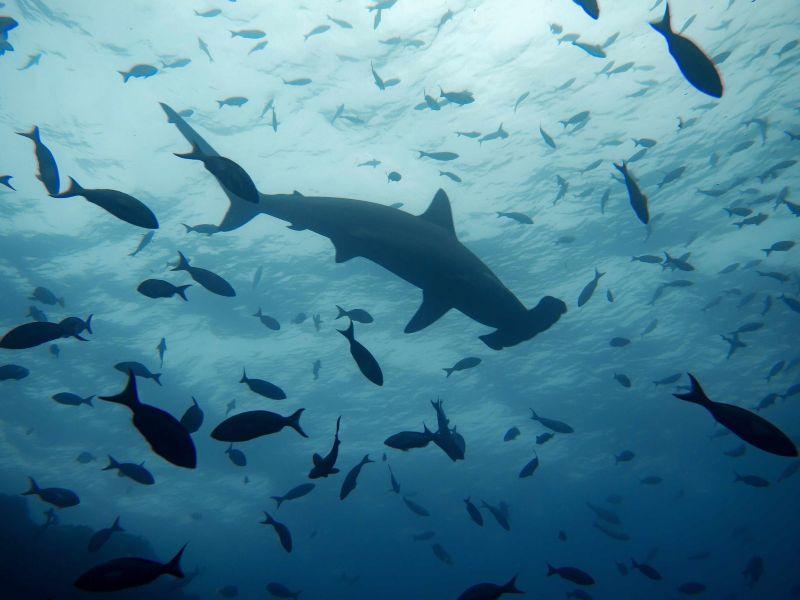
This comes in the wake of a 2023 special scrutiny. Mexico’s hammerhead shark trade was referred under the Convention of International Trade in Endangered Species (CITIES), a first-ever review of Significant Trade for a species of shark. Lobbying efforts from marine conservationists have pushed Mexico to meet its own obligations on the matter.
“Although long overdue, Mexico’s new shark protections have the potential to significantly bolster international conservation efforts for some of the Atlantic’s most imperiled species,” said Sonja Fordham, President of Shark Advocates International. “In addition to reducing fishing pressure, the new bans can serve to inspire other countries to follow suit and live up to their various, urgent treaty obligations for sharks.”
Shannon Arnold, Associate Director for Ecology Action Center, has praised this positive move in the right direction, “Because effective international conservation of migratory species depends on follow-up actions at the national level, we will continue to highlight gaps in countries’ compliance with ICCAT shark measures. We’re pleased to see Mexico finally following through on its shark obligations and we hope to soon hear about more progress by the many other ICCAT countries that are still lagging behind with requirements to similarly protect these sharks by amending their national laws.”
In return, ICCAT’s Compliance Committee will be giving special attention to member countries that adhere to shark conservation obligations during its November 15-16 meeting. This event will be held just before the ICCAT annual meeting in Seville, Spain.
Whilst governments make climate pledges all the time, meeting them is a wholly different task. This example demonstrates the power of independent organizations pushing for the finalization and realization of policies that the government has already committed itself to. Mexico, as a regional power, is setting an example for marine conservation for its neighbors and promoting a more sustainable approach to the world’s oceans.