The transformation of monarch caterpillars into butterflies represents a significant biological process. This metamorphosis occurs in distinct stages, each characterized by specific physiological and behavioral changes.
As caterpillars transition from active feeding to the chrysalis stage, they exhibit adaptations that are of interest to both researchers and conservationists. Examining these developmental stages enhances understanding of monarch biology and underscores the complex ecological interactions that support their survival.
Each stage contributes to the butterfly’s life cycle. These stages demonstrate resilience and adaptation to environmental pressures.
Understanding the Monarch Caterpillar Life Cycle
The monarch caterpillar life cycle is characterized by rapid developmental changes and dependence on specific host plants. Monarchs lay eggs exclusively on milkweed species, initiating a sequence of stages that culminate in adult butterflies.
This process highlights the specialized adaptations of monarch larvae and the essential role of milkweed in their survival. Analyzing these developmental stages and the function of host plants provides insight into the mechanisms that enable monarchs to persist despite environmental challenges.
Key Stages of Development
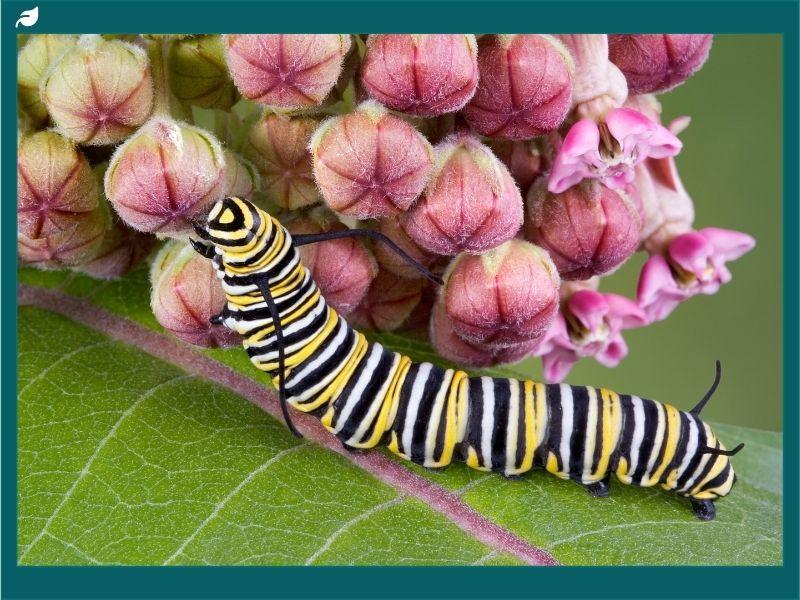
The monarch caterpillar life cycle begins when eggs are deposited exclusively on milkweed plants. Monarch eggs are cream-colored and measure less than a millimeter in diameter. After three to five days, larvae emerge and display a yellow, black, and white striped pattern. This pattern provides camouflage and signals toxicity to predators due to compounds absorbed from milkweed.
Larvae progress through five developmental phases, known as instars, molting four times to accommodate rapid growth. During the first and second instars, caterpillars remain concealed beneath milkweed leaves for protection. As development continues, feeding intensity increases. A single caterpillar is capable of consuming an entire milkweed leaf in less than an hour. This feeding is essential for accumulating energy reserves.
Upon reaching the fifth instar, the caterpillar ceases feeding and locates a secure substrate. It attaches itself with silk and forms a “J” shape before entering the chrysalis stage. The chrysalis phase, lasting 10 to 14 days, involves extensive internal reorganization as the organism transitions to an adult butterfly. These developmental changes illustrate the complex relationship between monarchs and their host plants.
The Importance of Host Plants
Host plants, particularly milkweed, are essential for the survival of monarch caterpillars. Monarchs lay eggs exclusively on milkweed, ensuring immediate access to food for newly hatched larvae. Milkweed provides both nutrition and toxic cardenolides, which, when ingested, render caterpillars unpalatable to predators. The specific species of milkweed can influence larval development, as cardenolide concentrations vary and affect growth rates and health.
Consequently, conserving a diversity of milkweed species is critical for supporting robust monarch populations. Habitat destruction and herbicide use threaten milkweed availability, reducing suitable sites for egg-laying and larval survival. Beyond serving as a food source, milkweed offers microhabitat conditions that protect larvae from environmental stressors. Conservation initiatives focus on restoring milkweed in both agricultural and urban landscapes, thereby increasing opportunities for monarch reproduction and population stability.
Recognizing the pivotal role of milkweed can motivate effective conservation strategies to sustain monarch populations and their metamorphic life cycle.
The Monarch Instars: Growth and Change
The journey of monarch caterpillars, marked by significant growth and transformation, hinges on a series of stages known as instars. These five critical phases facilitate the remarkable development of monarch instars, or instar larvae, preparing them for survival challenges.
Each instar, unique in its contribution to the life cycle, highlights the dynamic changes that propel caterpillars toward becoming resilient monarch butterflies. Exploring the intricate details of these stages reveals how nature ensures the monarch’s journey from caterpillar to adult is both efficient and adaptable, offering insights into how each phase contributes to their enduring legacy.
Overview of the Five Instars
The life of a monarch caterpillar is intricately segmented into five developmental phases, known as instars, each marked by pivotal changes in size, behavior, and physiology. These instars represent a fundamental blueprint for the caterpillar’s growth and transformation into the majestic monarch butterfly. Upon hatching, the larvae, also known as instar larvae, enter the first instar characterized by its small size and a limited diet primarily focused on consuming the egg shell for its first nourishment.
This phase is crucial as it sets the stage for rapid growth fueled by milkweed, the core diet that provides both sustenance and defensive toxins essential for survival. As the caterpillars progress into the second and third instars, their size increases significantly and the striped pattern becomes more pronounced, acting as a defensive mechanism against predators.
The caterpillar’s digestive and feeding systems evolve to handle a larger intake of milkweed, allowing for even more efficient processing of the plant’s toxins, vital for deterring potential predators. These middle stages are marked by a relentless feeding frenzy that truly exemplifies the caterpillar’s voracious appetite, a necessity for building up energy reserves.
The fourth instar transitions the caterpillar further, as they prepare for the culminating fifth instar, a phase defined by dramatic growth spurts and preparation for metamorphosis. In the fifth instar, monarch caterpillars achieve their maximum size and prepare for the forthcoming pupation by securing a safe area for the transformation. During this time, the caterpillar’s color may deepen, signifying its readiness.
Each of these meticulously staged instars plays a critical role in equipping the monarch caterpillar with the tools it needs for survival and the resilience necessary to face environmental adversities as it evolves from a juvenile instar to a chrysalis.

How Each Instar Contributes to Survival
Each instar stage of the monarch caterpillar represents a period of targeted growth and adaptation. The first instar introduces larvae to their environment and initiates ingestion of cardenolides from milkweed, providing chemical defense against predators. The second and third instars are characterized by rapid increases in body size and enhanced absorption of protective compounds. These stages also involve intensified feeding, which prepares the caterpillar for environmental stressors.
By the fourth instar, caterpillars have developed significant physiological adaptations, including improved sequestration of toxins. The fifth instar focuses on preparation for pupation, with caterpillars ceasing feeding and seeking secure sites for transformation. These cumulative adaptations enable successful metamorphosis and contribute to species persistence.
The Role of the Monarch Butterfly in the Ecosystem
The monarch butterfly (Danaus plexippus) plays a critical ecological role as a pollinator, supporting plant diversity and ecosystem stability. Monarch populations are threatened by habitat loss, climate change, and predation.
Understanding both the ecological contributions and the challenges faced by monarchs emphasizes the necessity of targeted conservation measures. Such insight informs the development of sustainable practices to protect monarch butterflies and maintain their ecological functions.
Pollination and Biodiversity Contributions
Monarch butterflies are not merely symbols of transformation and beauty; they are crucial agents in pollination, playing a significant role in sustaining biodiversity. As they flutter from flower to flower, monarchs inadvertently transfer pollen, facilitating the reproduction of multiple plant species.
This pollination process allows plants to produce seeds and fruits, which in turn support a range of other life forms within the ecosystem. This interconnection highlights monarchs as keystones in maintaining the health of ecosystems in areas they traverse, particularly as they undertake their renowned migratory journeys.
Pollination by monarch butterflies supports the diversity of plant life necessary for the survival of countless other species, from insects to birds to mammals. Many of these plants provide essential resources such as nectar and habitat, forming intricate networks that uphold ecological balance.
Moreover, monarch butterflies’ migratory patterns ensure that they influence a broad geographic range, contributing to diverse ecosystems throughout North America down to Central America. Biodiversity, sustained through this natural pollination service, underpins ecological resilience and productivity.
The loss of monarch butterflies can lead to significant declines in plant species that depend on their pollination, which could then trigger cascading effects throughout the food chain. This potential loss underscores why conserving monarch populations is not just about saving one species, but about preserving entire ecosystems.
To maintain these critical ecological processes, it is essential to address the factors threatening monarchs’ existence. Enhancing habitat connectivity through the establishment of pollinator corridors can support their migratory routes, ensuring monarchs can continue their vital ecological roles.
Engaging in conservation efforts that promote the restoration and protection of native plants, especially milkweed, essential for the monarch life cycle, further bolsters their role as capable pollinators. By safeguarding monarchs, we enhance biodiversity and the robust ecosystems crucial for sustaining life on our planet.
Threats Faced by the Monarch Population
The monarch population is under significant threat due to a host of environmental and anthropogenic pressures. Habitat destruction is one of the most pressing issues, primarily driven by the expansion of agricultural land and urban development, which results in the loss of crucial milkweed habitats needed for the monarch’s lifecycle.
Milkweed, which is both the host plant and primary food source for monarch larvae, is disappearing at alarming rates due to herbicide usage and land conversion, directly impacting monarch breeding and survival. In addition to habitat loss, climate change poses a formidable challenge to monarchs.
Changes in temperature and weather patterns can disrupt their migratory and breeding cycles, making it harder for monarch butterflies to survive and thrive. Unpredictable weather events, such as unseasonal cold snaps or extreme heat, can decimate populations by affecting breeding success or directly causing mortality among monarchs already on the move.
Predators also play a role in the declining monarch populations. Despite the chemical defenses provided by milkweed toxins, some birds and other predators have adapted to tolerate or avoid these defenses to prey upon monarchs.
This natural predation, combined with mounting environmental pressures, means that monarch butterflies must navigate a constantly shrinking and hostile world. Addressing these threats requires a multifaceted approach.
Conservation efforts need to focus on enhancing and restoring natural habitats, particularly by planting milkweed and other native flowering plants that provide nectar sources and breeding grounds for monarchs. Additionally, policies aimed at reducing chemical pesticide and herbicide use can mitigate some of the most severe impacts on their essential habitats.
Public awareness and involvement are crucial to ensuring the survival of the monarchs. Citizen science projects and community initiatives can aid in monitoring monarch populations and implementing local conservation actions.
By drawing attention to the monarch’s plight and engaging communities in active conservation, there’s hope for stabilizing and eventually increasing the monarch population, preserving their ecological roles for the future.
| Ecological Role | Threats | Conservation Strategies | Impact on Biodiversity |
| Pollinators | Habitat Loss | Habitat Restoration | Support Plant Reproduction |
| Food Source for Predators | Climate Change | Migratory Corridors Protection | Maintain Food Webs |
| Indicators of Ecosystem Health | Pesticides | Limit Pesticide Use | Signal Environmental Changes |
This table encapsulates the critical roles and challenges faced by monarch butterflies, emphasizing the necessity of targeted conservation efforts.

Monarch Migration: A Cultural Phenomenon
Monarch migration is a significant natural phenomenon with both ecological and cultural importance across North America. Each year, monarch butterflies migrate from breeding grounds to overwintering sites in Mexico, influencing local traditions and community practices.
This migration exemplifies the interconnectedness of ecological processes and cultural heritage. The presence of monarchs provides economic benefits through ecotourism and motivates conservation efforts to protect migratory routes.
The Journey from North America to Mexico
Every year, millions of monarch butterflies embark on an incredible migration journey, covering vast distances from North America to their overwintering sites in the mountains of central Mexico. Each year, millions of monarch butterflies migrate from North America to overwintering sites in central Mexico, covering distances exceeding 3,000 miles.
This migration is among the longest in the animal kingdom and involves navigation across diverse terrains and climatic zones. Monarchs rely on environmental cues, such as the Earth’s magnetic field and solar position, to reach specific sites in the Sierra Madre Mountains, where they form dense colonies on Oyamel fir trees.
The migration presents significant challenges, including variable weather and the need for suitable habitats along the route. The arrival of monarchs in Mexico is a notable ecological and cultural event, attracting visitors and highlighting the importance of international conservation cooperation.
Throughout regions where monarchs overwinter, particularly in the Mexican states of Michoacán and Estado de México, the butterflies are intertwined with local traditions and cultural identity. This influx of monarchs from North America to these highland forests generates a unique celebration of life, transformation, and natural splendor.
Communities living near the butterfly reserves have integrated the monarchs into their cultural fabric, often tying their appearance to events such as Día de los Muertos, or Day of the Dead. The timing of the monarchs’ arrival correlates with this festival, leading many to believe the butterflies are the souls of ancestors returning to visit.
Such folklore has been preserved and celebrated through generations, illustrating the profound emotional and cultural resonance of the monarch migration. Monarchs, therefore, symbolize renewal and are a source of pride that binds communities and traditions together, influencing local art, music, and rituals.
Economically, monarch butterflies offer a source of sustainable income through ecotourism. The butterfly reserves draw thousands of tourists each year, both domestic and international, eager to witness the stunning presence of monarchs clustering on the Oyamel trees.
This influx supports local businesses, from tour guides and artisans to hospitality services, showcasing how the monarch migration acts as an economic driver as well as a cultural and ecological treasure. However, this heightened attention also brings challenges that necessitate careful management to prevent habitat degradation.
Conservation efforts have become increasingly vital, spearheaded by both governmental and grassroots initiatives, to protect monarch habitats and the essential cultural legacies they support. Establishing protective zones within the Monarch Butterfly Biosphere Reserve has been crucial in this regard, helping safeguard the migratory phenomenon and its cultural importance.
These efforts not only benefit the monarchs but also empower local communities to sustain their livelihoods and preserve their cultural traditions. By fostering a deeper understanding of the monarch migration’s intricate connections with culture and community, these initiatives nurture a harmonious balance between humans and nature.
To deepen our understanding of how the monarch butterfly migration influences local communities and their traditions, consider the following aspects:
- Monarch migration coincides with the vibrant Día de los Muertos festival, enhancing cultural significance.
- Local art often features monarch motifs, symbolizing life, transformation, and ancestral connection.
- Indigenous folklore celebrates monarchs as ancestors’ souls returning, intertwining cultural heritage with natural phenomena.
- Ecotourism from monarch watching provides sustainable economic benefits, reinforcing community support for conservation.
- Traditional music and dance in these regions frequently reflect the monarchs’ migration and symbolism.
- Conservation efforts aim to preserve the delicate balance between nature and cultural practices.
- Seasonal markets flourish around the reserves, selling butterfly-themed local crafts and souvenirs.
These points highlight the profound relationship between monarchs and the rich cultural tapestry of the region.
Protecting the Monarch: Conservation Efforts
Conservation of monarch butterflies is increasingly prioritized due to population declines and ecological significance. Initiatives address habitat loss, climate change adaptation, and the creation of monarch-friendly environments, particularly through milkweed restoration.
These efforts require collaboration among government agencies, communities, and researchers to support monarch survival and migration. Effective conservation strategies are essential to ensure the persistence of monarch populations for future generations.
Creating Monarch-Friendly Environments
Creating monarch-friendly environments is an essential component of effective conservation efforts aimed at sustaining monarch populations. Central to these efforts is the restoration and protection of milkweed habitats, as milkweed plants are the primary breeding ground and food source for monarch larvae.
Milkweed contains toxins called cardenolides, which monarch caterpillars consume; these toxins make the caterpillars and adult butterflies unpalatable to predators, providing them notable protection in the wild. Thus, the presence of milkweed in various ecosystems is crucial for monarch survival, serving as the lifeline for these remarkable insects throughout their life cycle.
One effective strategy in creating monarch-friendly environments is promoting the growth of milkweed across different landscapes, from urban gardens to rural farmlands. Municipalities and environmental organizations can collaborate to incorporate milkweed in public gardens, parks, and roadside verges.
Additionally, private citizens can contribute by planting milkweed in their backyards or community gardens. These efforts not only support monarch populations but also enhance local biodiversity, as they provide habitat and nectar sources for other pollinators, such as bees and butterflies.
Incorporating a variety of milkweed species can address the diverse needs of monarchs across their migratory range, taking into account climate variability and regional plant adaptability. Beyond milkweed, fostering monarch-friendly environments involves creating corridors that facilitate safe passage for migrating monarchs.
These corridors are strips of natural habitats that provide rest stops with suitable host and nectar plants along their migratory routes. Establishing such corridors helps mitigate the impact of fragmented habitats due to urban development and agricultural expansion, thus allowing monarchs to navigate their long migratory journeys more safely and efficiently.
Governmental policies can play an essential role in this initiative by incentivizing landowners to maintain these natural passages, which are pivotal for monarch migration. Educational programs are also critical in conservation efforts, as they can raise awareness about the plight of monarchs and the importance of creating habitats that support them.
Schools, nature centers, and conservation groups can educate the public on how to cultivate milkweed and other native plants, emphasizing the broader ecological benefits of supporting pollinator networks. By instilling knowledge and inspiring action, these programs can foster community-led conservation projects, leading to a more monarch-friendly landscape across regions and countries.
Ultimately, creating monarch-friendly environments is not merely about preserving a single species; it is about nurturing ecosystems that benefit a range of organisms and contribute to environmental resilience. Through dedicated efforts to plant native species, protect critical habitats, and raise public awareness, we can help ensure that monarch butterflies continue to enchant and sustain biodiversity for generations to come.
Upon completion of metamorphosis, the monarch butterfly emerges from the chrysalis, expands its wings, and prepares for flight. This process enables the butterfly to function as a pollinator, contributing to ecosystem services. Observing metamorphosis enhances understanding of biological cycles and underscores the importance of biodiversity and conservation in sustaining monarch populations.