Every day, huge amounts of trash are picked up from our homes and workplaces, but most of us never see what happens next. Learning where our garbage goes helps us make better choices for the environment. Whether it ends up in a landfill or a recycling center, each item takes a different route that affects energy use, pollution, and how we recover resources. In this article, we’ll look at what happens to our trash and explore ways we can all help reduce our impact on the planet.
The Journey of Garbage: From Collection to Disposal
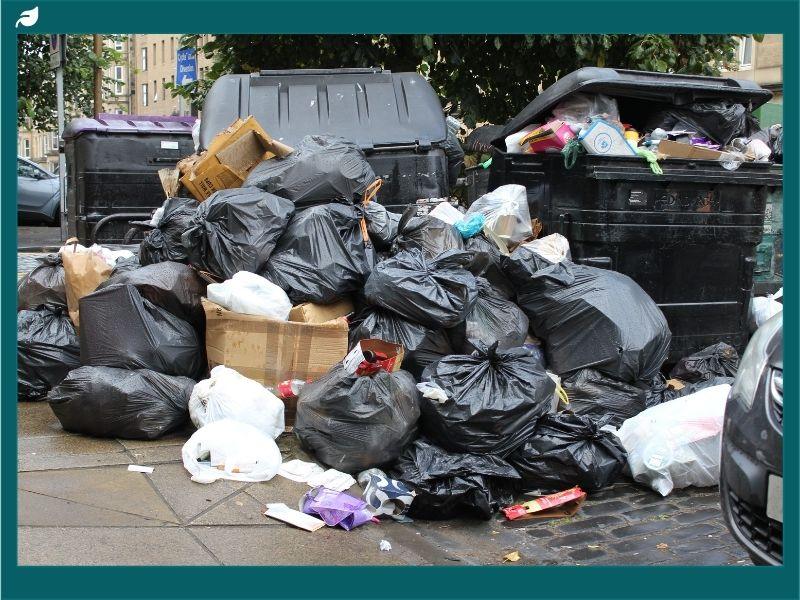
Every day, people around the world create a lot of waste. Knowing how trash is collected and where it goes helps us manage it better. The process begins with garbage trucks, which travel through neighborhoods to pick up waste from homes and businesses. After collection, trash goes through several steps at different facilities before it’s finally disposed of. This system is important for keeping our communities clean and healthy.
The Role of Garbage Trucks in Waste Collection
Garbage trucks are indispensable to the functioning of urban infrastructure, acting as the frontline soldiers in the battle against waste accumulation. The journey of trash begins with these robust vehicles navigating through city streets and rural areas alike, facilitating the collection of rubbish generated by households and businesses.
These trucks are equipped to handle diverse types of waste, from municipal solid materials to organic refuse, playing a crucial role in an efficient waste collection system. Each truck is more than just a vehicle; it signifies the start of a meticulous process aimed at managing and disposing of waste responsibly.
Efficient waste collection is very important. Garbage trucks follow set schedules and routes to make sure all waste is picked up on time. This helps keep our surroundings clean and safe. New designs in garbage trucks now let them separate and compact waste as they collect it, which means less trash needs to be transported and processed. These improvements support a more sustainable way to manage waste.
Garbage trucks are an important part of keeping cities clean and healthy. The work they do is tough but necessary, and it takes a lot of effort to manage waste well. Using new technology and better methods helps make this process more effective. When garbage trucks run smoothly, they make sure waste is ready for the next steps, showing how important they are in managing trash responsibly.
Garbage trucks play a crucial role in modern waste management, offering innovations that extend beyond traditional collection methods.
- Advanced routing technology optimizes collection paths, saving time and reducing fuel consumption.
- Dual compartments in trucks allow simultaneous collection of different types of waste.
- Hydraulic lifts and compactors reduce manual labor and increase efficiency.
- Increasing reliance on electric and hybrid trucks reduces emissions and supports cleaner cities.
- Regular maintenance and upgrades ensure trucks remain effective over long service cycles.
- Automated systems improve worker safety, reducing exposure to hazardous waste.
- Community engagement and awareness initiatives help improve compliance with recycling guidelines.
These aspects demonstrate the broader impact of garbage trucks in enhancing waste management practices.
Understanding Waste Segregation and Its Importance
Sorting waste is a key part of managing trash in a sustainable way. When we separate our waste correctly, it makes recycling easier, reduces the amount sent to landfills, and helps protect the environment. If more people sort their waste at home and in their communities, recycling centers can work more efficiently. Good waste sorting is essential for reaching global waste management goals.
| Aspect | Key Benefits | Challenges | Impact |
| Waste Segregation | Improves recycling efficiency | Public awareness and participation | Reduces landfill waste |
| Recycling | Conserves natural resources | Market demand for recycled materials | Minimizes pollution |
| Environmental Impact | Promotes sustainable practices | Integration into policy frameworks | Enhances ecosystem health |
This table encapsulates the critical relationship between waste segregation, recycling practices, and their collective influence on effective environmental management.
How Recycling Impacts Waste Management
Recycling changes how we deal with waste by giving new life to items that would otherwise end up in landfills. By recycling, we reduce the amount of trash in landfills and help protect the environment.
Many cities have recycling centers that turn old materials like plastic, paper, glass, and metal into new products. This saves resources and cuts down on the need for new raw materials.
When people sort their waste at home, it makes recycling easier and more effective. Community programs also help teach people about recycling and encourage everyone to take part in protecting the environment.
The Environmental Impact of Improper Waste Disposal
When waste isn’t disposed of properly, it can harm the environment and our health. Toxic materials can leak into the ground and water, especially if landfills aren’t managed well. This can hurt people, animals, and plants. Poor waste management also leads to more greenhouse gases, like methane, which contribute to climate change. To fix this, we need better waste sorting and recycling, and everyone—individuals, communities, and governments—must work together. Education and awareness are also important so people understand why proper waste disposal matters for the planet.
The Final Destination: Landfills and Dumpsites
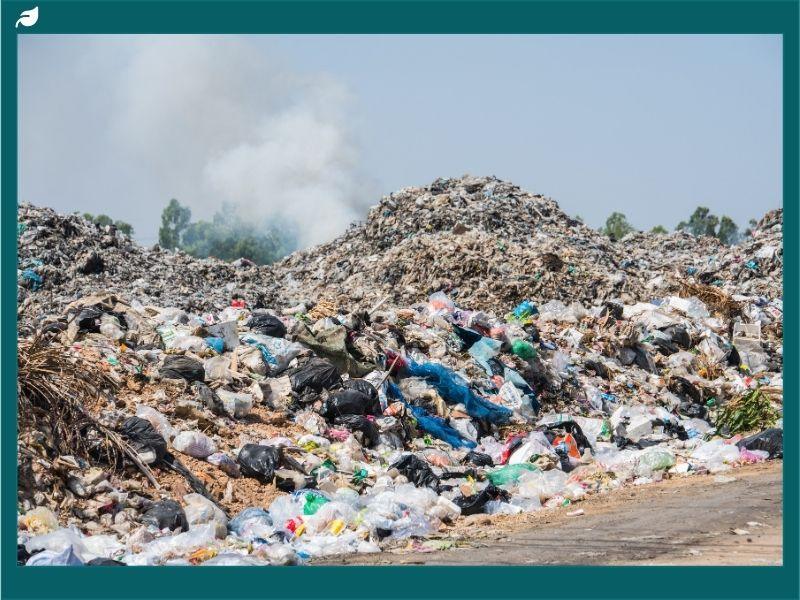
The journey of waste doesn’t simply end at collection and recycling; a significant portion finds its final resting place in landfill sites and dumpsites. These facilities are pivotal in waste disposal and management, accommodating heaps of trash daily.
While necessary for handling municipal solid waste, they bring about challenges in terms of environmental impact and sustainability. Examining the lifecycle of garbage in dumpsters offers valuable insights into how waste is processed and managed before reaching these final destinations, and what role these sites play in comprehensive waste management systems.
The Lifecycle of Garbage in Dumpsters
The lifecycle of garbage in dumpsters is a multifaceted process that reflects the broader waste management systems in place. Once trash is collected by municipal services, it embarks on a journey that often leads to interim stops at waste processing facilities.
There, waste undergoes initial sorting, with recyclables and compostable materials being extracted to prevent unnecessary additions to landfill sites. Once sorted, the remaining waste is compacted and loaded into large dumpsters, ready for transport to dumpsites.
This stage in the lifecycle serves crucially in population-dense areas where immediate trash disposal is not feasible, allowing for organized transit to facilities capable of handling large volumes of garbage.
Dumpsites themselves act as strategic sites for managing this garbage influx. The systematic placement of waste ensures that it’s deposited safely, minimizing the risk of contamination.
However, this doesn’t fully alleviate environmental concerns. As waste decomposes in these sites, it releases methane, a potent greenhouse gas contributing to global warming.
Therefore, modern waste management practices are increasingly focusing not just on efficient waste processing, but also on capturing methane emissions through advanced technologies and turning these byproducts into energy resources. This innovative approach not only curtails the environmental impact but also reimagines dumpsites as potential sources of renewable energy.
What we throw away at home affects how well dumpsites work. If we don’t sort our waste, it can make recycling harder and fill up dumpsites faster. Teaching people about sorting waste and using new technologies to turn trash into energy can help reduce the amount of garbage that ends up in landfills.
Ultimately, the lifecycle of garbage in dumpsters illustrates a complex synergy between waste disposal methods and sustainability efforts. This narrative is continually evolving as waste management strategies innovate and adapt to meet both growing waste production and sustainability goals.
Municipal solid waste management systems are pivotal drivers in this scenario, balancing between the immediate need to handle waste and long-term environmental stewardship. By understanding and optimizing the lifecycle of garbage within dumpsters, it’s possible to mitigate adverse environmental impacts and foster a more circular economy, where waste serves as a resource rather than simply rubbish.

Rubbish Transformations: From Trash to Treasure
In waste management, there’s a growing focus on turning trash into something valuable. Recycling, energy recovery, and other new methods help give old materials a second life. Recycling centers sort and process waste so it can be used again. This saves resources and keeps more trash out of landfills.
Today’s waste management goes further than just recycling. Some facilities turn non-recyclable trash into energy, which helps cut down on fossil fuel use and greenhouse gases. Composting centers also turn food and yard waste into compost. This improves soil and reduces the need for chemical fertilizers.
Incineration plants also help by burning waste at high temperatures. This reduces how much trash needs to be stored and can create electricity from the heat. It’s important to manage these plants carefully to avoid air pollution. Landfills are also improving by capturing methane gas and using it for energy, which helps lower their environmental impact.
These new ways of handling waste are key to making waste management more sustainable. By recycling, recovering energy, and improving how we process trash, we can get the most out of our waste. With the right ideas and planning, we really can turn trash into something useful.
Understanding the intricate journey of trash and rubbish not only highlights the complexity of waste management systems but also underscores the environmental implications tied to our consumption habits. This exploration reveals the pivotal role of individuals, businesses, and governments in minimizing waste generation and enhancing recycling efforts. By embracing innovative practices and sustainable choices, we can significantly impact the waste lifecycle. This leads to healthier communities and ecosystems. Engaging in this journey has the potential to transform our relationship with waste, fostering a culture of responsibility and mindfulness for future generations.