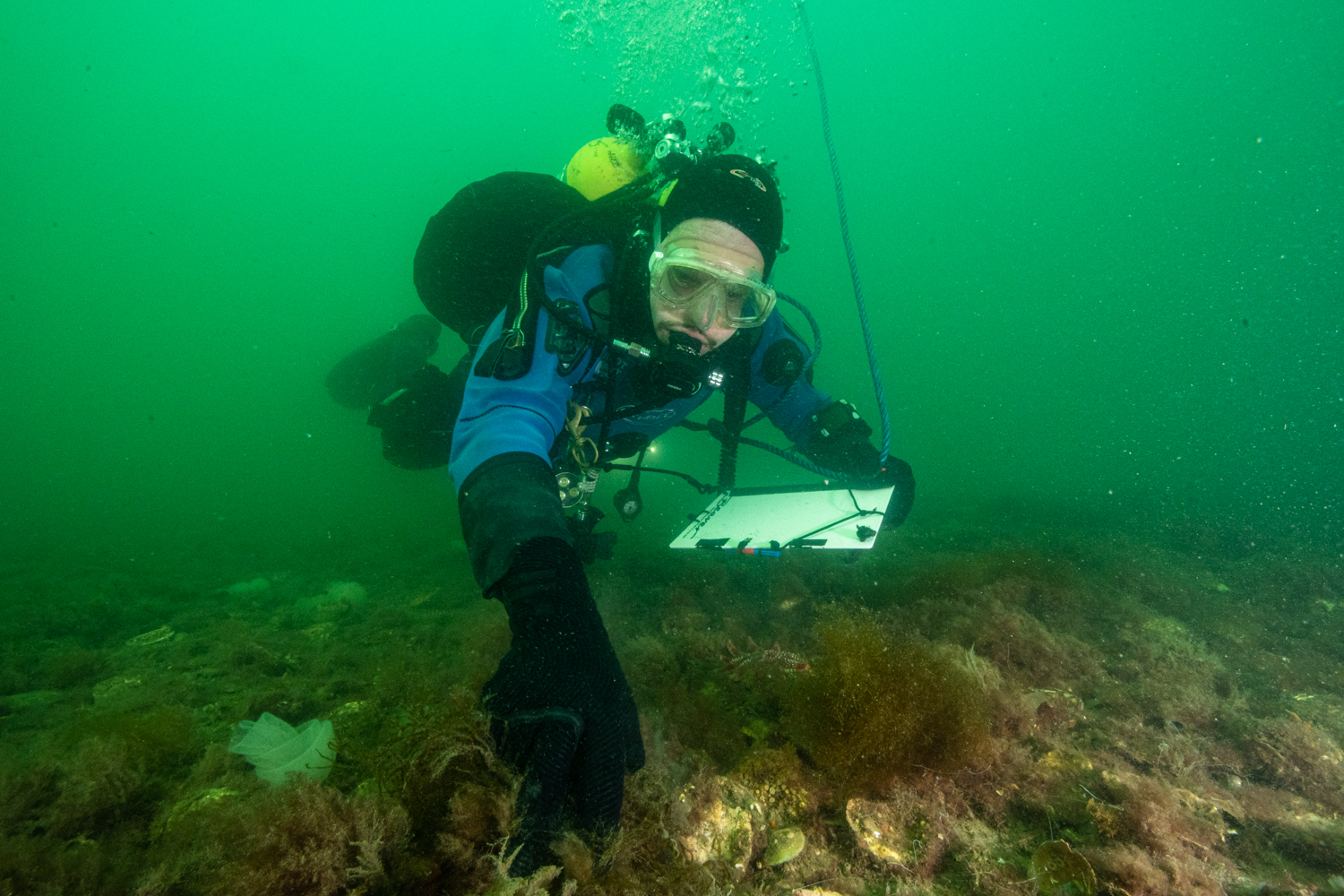
Biodiversity is the variety of life on Earth, including different species, genes, and ecosystems. It is essential for a healthy planet and directly affects our lives by supporting things like pollination, climate control, and nutrient cycles. As human actions threaten this diversity, it is more important than ever to understand and protect it. By valuing biodiversity, we help create a more sustainable world and a better relationship with nature.

Understanding Biodiversity and Its Importance
Biodiversity means the wide range of life on our planet, which supports the ecosystems we depend on. Whether in rainforests or oceans, this variety is key to keeping nature in balance and providing important services. As human impact grows, it becomes even more important to understand why biodiversity matters for healthy ecosystems and our own survival.
What is Biodiversity?
Biodiversity, also known as biological diversity, refers to the variety of all life forms on Earth, across different levels of biological organization. It includes diversity within species, between species, and the variety of ecosystems. This intricate web of life forms, ranging from the smallest microorganisms to the largest mammals, plays a crucial role in maintaining ecosystem balance. The term ‘biodiversity’ often conjures images of exotic species in remote jungles or unique marine life in coral reefs. Yet it also applies to ecosystems we may encounter daily, such as our local forests, parks, and even urban gardens.
Biodiversity’s complexity is astounding and essential because each species has a role that supports life. For instance, plants provide oxygen and cultivate soil, insects pollinate crops, and a wide variety of bacteria decompose. Biodiversity is important because every species plays a part in supporting life. Plants give us oxygen and help the soil, insects pollinate crops, and bacteria break down waste and recycle nutrients.
These connections provide us with clean water, food, and climate control. As we learn more, we see how different species work together to keep nature balanced. For example, ocean life helps regulate the climate and provides seafood, which many people rely on for nutrition. We must appreciate biodiversity’s role in supporting the processes that make the planet resilient, productive, and habitable. As the threats to this diversity mount, the challenge is to preserve it, not just for future generations but to safeguard the life-sustaining systems we rely upon today.
Why Biodiversity Matters for Ecosystems
Biodiversity is central to healthy ecosystems. It helps nature recover from changes and supports life in many different environments. Whether on land or in water, ecosystems depend on many species working together. This teamwork allows nature to provide important benefits, like clean air and water, that we all rely on. The more variety there is, the better ecosystems can bounce back from problems.
Take climate regulation, for example; forests act as carbon sinks, absorbing significant amounts of CO2, thus mitigating climate change. Meanwhile, wetlands filter pollutants, improving water quality and offering flood protection. These critical functions illustrate just a fraction of ecosystem services bolstered by robust biodiversity. When biodiversity wanes, ecosystems lose stability, becoming more susceptible to pests, diseases, and extreme weather, directly affecting human populations dependent on these natural resources.
Beyond ecological advantages, biodiversity also drives ecosystem productivity. Diverse ecosystems are noted to produce a greater abundance of resources like food and medicinal plants, fostering innovation. Herbal remedies and pharmaceutical products owe their existence to the rich genetic diversity within plant and animal kingdoms.
Biodiversity also adds to our lives through culture, beauty, and activities like tourism. As we lose more species, it becomes urgent to recognize why biodiversity matters. Education and good policies are important for protecting nature. By saving the variety of life, we keep the benefits that healthy ecosystems provide. We need to find a balance between development and caring for the environment to protect our natural heritage.
The Current State of Global Biodiversity
The state of global biodiversity shows how healthy our planet is and is important for both nature and people. Right now, we are facing a crisis with many species disappearing and habitats being damaged. These problems show how fragile our ecosystems are. To protect life on Earth, we need to understand these warning signs and take action to stop biodiversity loss.
Key Indicators of Global Biodiversity
As we observe global biodiversity, numerous indicators serve as measures of biological diversity’s health. One primary measure is species richness, reflecting the number of distinct species within ecosystems. This indicator is critical because high species richness often correlates with ecosystem resilience, enabling systems to withstand environmental changes. Unfortunately, recent reports show a decline in species richness across the globe, with rapid decreases in amphibian and insect populations serving as stark warnings.
Similarly, species abundance, which measures population sizes and distributions, is declining, signaling potential biodiversity loss. The fragmentation and reduction of habitats further exacerbate these trends, hindering species’ abilities to adapt and survive.
Ecosystem diversity, the variety of habitats, communities, and ecological processes, provides another key indicator. Diverse ecosystems, from coral reefs to rainforests, each hold unique species and functions. However, human activities like deforestation and land conversion are homogenizing these systems, reducing their natural diversity. This loss translates into diminished ecosystem services, such as water purification and pollination, that directly support human life.
Moreover, the genetic diversity within species, undervalued but vital for adaptation, is also at risk. Elevated extinction rates mean reduced genetic variances, obstructing species’ capacities to adapt to changing environmental conditions.
Monitoring and understanding these indicators is crucial for developing intervention strategies. They help pinpoint areas where conservation efforts are needed most and inform policy decisions. The indicators serve as a vital tool for advocacy, demonstrating the importance of biodiversity conservation. Encouragingly, global initiatives like the Convention on Biological Diversity are focusing on these metrics to guide international conservation efforts. Together, these indicators form a framework not only to gauge the current state of biodiversity but also to predict future trends, emphasizing the urgent need for sustained and coordinated conservation actions.
Threats Facing Biological Diversity Today
The threats to biological diversity today are multifaceted and predominantly driven by anthropogenic activities, leading to habitat loss, climate change, and pollution, all pervasive and interconnected challenges. Habitat loss remains the most immediate threat, as the conversion of land for agriculture, urban development, and infrastructure projects disrupts ecosystems, displacing countless species. This fragmentation of natural habitats not only reduces available land for wildlife but also isolates populations, increasing their vulnerability to extinction. This is explicitly apparent in tropical rainforests, where deforestation rates are alarmingly high, threatening the rich biodiversity they sustain.
Climate change acts as an overarching threat, exacerbating existing pressures on biodiversity. Rising temperatures, changing precipitation patterns, and increased frequency of extreme weather events are altering habitats and food sources. Species that cannot adapt swiftly face extinction. For instance, polar bears are struggling as ice caps, their natural habitat, melt. Moreover, ocean warming is causing coral bleaching, a phenomenon detrimental to marine ecosystems.
Coupled with climate change, pollution, particularly in aquatic environments, introduces chemicals and plastics, affecting water quality and marine life health. This contamination has cascading effects, reducing fish populations, which impinges on ecosystems and the human communities that rely on them for livelihood.
Invasive species pose yet another formidable threat. These species, introduced either intentionally or accidentally into new ecosystems, often outcompete native species for resources, leading to significant biodiversity shifts. For example, the introduction of the brown tree snake in Guam has led to the decline of native bird populations.
Combating these threats requires a concerted global effort, integrating conservation strategies with sustainable development goals. Policies need alignment with scientific research and the active involvement of local communities, creating a harmonious approach to biodiversity conservation. Only by addressing these threats holistically can we hope to reverse the trends of biodiversity loss and ensure the vitality of ecosystems upon which we all depend.

Causes and Impacts of Biodiversity Loss
Losing biodiversity is a serious problem for both nature and people. To protect ecosystems, we need to know what causes this loss and how it affects us. Habitat loss and changes to ecosystems are major reasons for the decline. These issues are connected and need urgent attention to keep nature in balance. Next, we will look at how losing habitats and disrupting ecosystems make the problem worse.
The Role of Habitat Loss in Biodiversity Decline
Habitat loss stands as a primary driver of biodiversity loss, radically altering landscapes and eradicating essential habitats for countless species. As human demands for land increase, driven by agriculture, urban expansion, and industrial infrastructure, vast expanses of natural environments are transformed or destroyed. This change not only reduces the available land for species to inhabit but also fragments ecosystems, making it difficult for species to migrate, reproduce, and survive. Such fragmentation disrupts ecosystem balance, leading to the isolation of species populations, which increases their susceptibility to extinction.
The decline of tropical rainforests illustrates this issue starkly. Known for their incredible biodiversity, these ecosystems face relentless deforestation, primarily for palm oil plantations and cattle ranching, resulting in a dramatic biodiversity loss.
Habitat loss affects not just land but also water environments. When wetlands are drained or coastlines are changed, marine life suffers too. These changes make it harder for ecosystems to provide clean water, pollination, and climate control. Losing biodiversity also hurts people, especially those who depend on natural resources.
As important species disappear, it becomes even harder to deal with problems like climate change, making conservation more urgent.
Efforts to combat habitat loss must focus on sustainable land management practices that integrate ecological and economic priorities. Establishing protected areas, enforcing strict land-use policies, and promoting reforestation are effective tactics that can help restore habitats. Additionally, involving local communities in conservation initiatives ensures that those most affected by habitat changes are part of the solution.
It’s vital to balance human needs with environmental stewardship, fostering coexistence with nature to mitigate biodiversity loss. By doing so, ecosystems not only recover but thrive, reinforcing the importance of preserving biodiversity for future generations.
Ecosystem Disruption and Its Consequences
Ecosystem disruption, exacerbated by human actions, poses a significant threat to biodiversity and the services ecosystems provide. When the natural order of ecosystems is interrupted, often through pollution, overfishing, or invasive species, the intricate balance necessary for sustainable environmental health is thrown into disarray. This disruption leads to a reduction in species diversity and abundance, threatening the stability of ecosystems and their ability to support life.
For example, overfishing depletes fish populations, reducing biodiversity and affecting food chains, which ultimately impacts people reliant on fishing for sustenance and economic activities.
Pollution serves as a formidable form of ecosystem disruption. Chemical pollutants, plastics, and other contaminants infiltrate ecosystems, poisoning wildlife and degrading habitats. Marine biodiversity is particularly vulnerable to such disruptions, as plastic waste accumulates in oceans, posing lethal risks to species like sea turtles and seabirds.
In terrestrial environments, air and soil pollution affect plant species, which are crucial for sustaining ecosystem services. The introduction of invasive species further compounds these issues, as they outcompete native organisms, altering biodiversity and the dynamics of ecosystem interactions. The aggressive spread of invasive species such as the Asian carp in American rivers underscores the challenges of maintaining ecosystem balance in the face of human-induced changes.
To fix ecosystem disruption, we need several solutions. Laws that cut pollution, protect habitats, and manage resources are important. Countries must work together because ecosystems cross borders. Science can help restore damaged areas. We also need to make sure our economic activities support, not harm, nature. Protecting and restoring habitats helps ecosystems stay healthy and adapt to change.
This proactive approach ensures resilient and thriving ecosystems for future generations. Consider these strategies to address the challenges of ecosystem disruption effectively:
- Implement strict regulations to curb pollution and safeguard environmental health.
- Foster international partnerships for coordinated global conservation efforts.
- Invest in innovative technologies for ecosystem restoration and rehabilitation.
- Promote sustainable resource practices to balance economic and ecological needs.
- Enhance public awareness and education about the importance of biodiversity.
- Support scientific research to understand and mitigate ecosystem threats.
- Establish protected areas to preserve critical habitats and species.
Strategies for Biodiversity Conservation
Protecting biodiversity is essential for life and healthy ecosystems, especially with climate change and habitat loss happening faster than ever. We need a broad approach that uses sustainable practices and smart solutions. Getting communities involved, making good policies, and using new conservation methods are all important. By finding what works and supporting local efforts, we can help protect our natural world and the variety of life it holds.
| Practice/Approach | Key Features | Benefits | Examples |
| Protected Areas | Legally designated zones aimed at conserving wildlife | Preserve critical habitats, support species recovery | National parks, wildlife reserves |
| Sustainable Agriculture | Environmentally friendly farming practices | Maintains soil health, reduces habitat destruction | Agroforestry, organic farming |
| Community-Based Management | Local communities play a central role in resource management | Increases local engagement, ensures resource sustainability | Co-management of fisheries, community forests |
| Biotechnological Interventions | Use of genetic technology to conserve species | Preserves genetic diversity, supports species adaptation | Gene banks, genetic rescue of endangered species |
The table below shows different ways to protect biodiversity. It highlights how combining traditional knowledge, new technology, and community action leads to better, lasting results.
Effective Practices for Protecting Biodiversity
Protecting biodiversity requires the implementation of a multitude of effective practices that are strategically designed to address the unique challenges of environmental and species conservation. Key to these practices is habitat protection, which involves establishing protected areas and nature reserves. These sanctuaries act as safe havens for threatened species while preserving essential ecological processes. The integration of nature corridors also enhances ecosystem connectivity, allowing wildlife to migrate, breed, and access resources across fragmented landscapes. This connectivity is vital for maintaining genetic diversity and resilience, particularly in the face of climate change, which threatens to alter habitats and resources drastically.
Strategic conservation calls for incorporating sustainable resource management practices that align with biodiversity conservation and nature conservation objectives. Implementing strategies such as controlled logging and fishing limits, coupled with reforestation efforts, can help mitigate habitat loss and degradation. These practices aim to balance environmental health with human economic needs, ensuring that ecosystems continue to provide their invaluable services. Moreover, adaptive management strategies that utilize real-time data to assess ecosystem changes offer dynamic tools to adjust conservation practices accordingly, ensuring their effectiveness over time.
Another pivotal aspect of protecting biodiversity is the promotion of agroecological practices. These sustainable agricultural methods support biodiversity by reducing pesticide use, enhancing soil health, and promoting crop diversity. Agroforestry, for example, integrates trees with crops and livestock, creating a diverse agricultural landscape that encourages the presence of various species. These practices not only benefit the environment but also increase agricultural sustainability and resilience to climate change.
Furthermore, technology plays a transformative role in modern conservation efforts. Drones, GPS mapping, and remote sensing technologies aid in monitoring biodiversity and enforcing protected area boundaries. These technologies enhance data collection accuracy, enabling targeted conservation interventions. Such innovations, when coupled with traditional knowledge and local community involvement, form a robust framework for effective biodiversity conservation.

For biodiversity conservation to be effective, policies must reflect these practices and promote collaboration between governments, NGOs, and local communities. Ensuring that conservation strategies are adequately funded and supported is essential for their success. By employing these practices, we can help protect biodiversity, safeguard ecosystems, and secure the vital services they provide to human and environmental health alike.
Community Involvement in Conservation Efforts
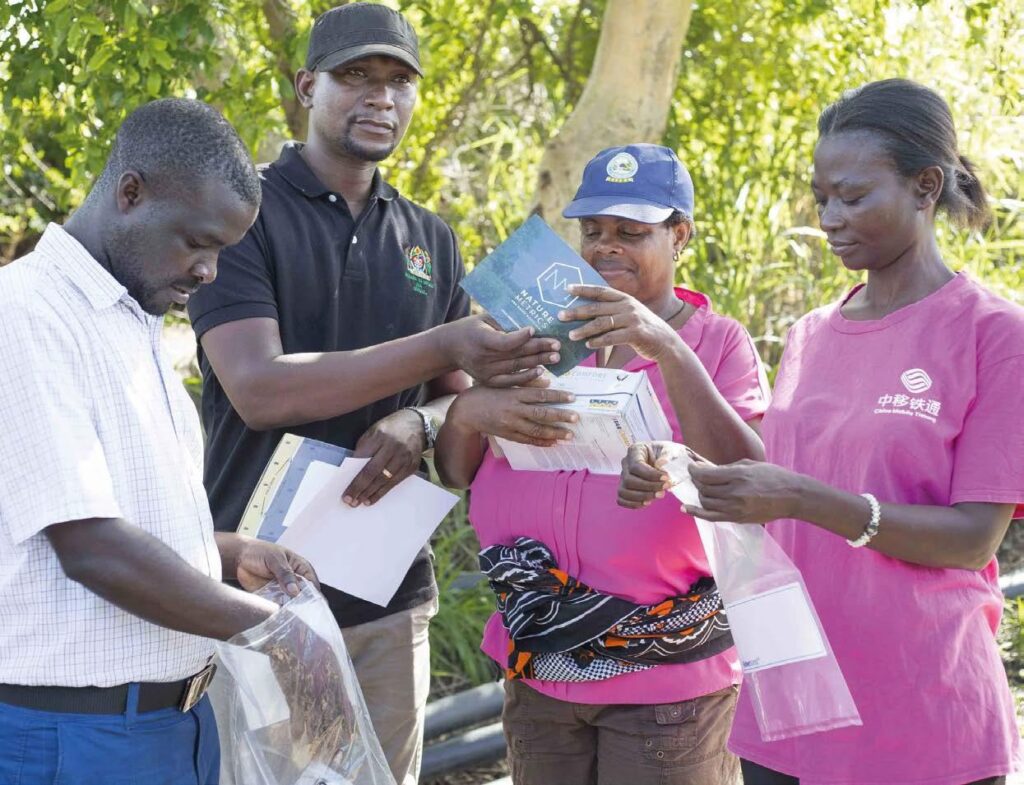
Community involvement is a cornerstone of successful biodiversity conservation. Local people help manage natural resources, and their participation is important for long-term results. Including local knowledge in planning gives communities a sense of ownership and responsibility. This makes conservation efforts more meaningful and likely to succeed, as they fit the needs and traditions of those who rely on these resources. One way to encourage community involvement is through participatory conservation programs.
These initiatives empower communities to make decisions about their local environments, from the management of forests and water resources to the protection of endangered species. By involving local inhabitants in conservation efforts, these programs help bridge the gap between global biodiversity goals and local community needs, achieving more sustainable outcomes for both. Additionally, education and awareness programs play a critical role in these efforts. They provide communities with the knowledge and skills to sustainably manage their natural resources.
Financial incentives also play a significant role in motivating community participation. Programs like Payment for Ecosystem Services (PES) reward communities for conservation activities that result in improved ecosystem services, such as carbon sequestration and water filtration. These incentives align economic interests with environmental goals, ensuring that communities see tangible benefits from their conservation efforts. Moreover, initiatives that promote ecotourism provide economic opportunities. They also raise awareness about the importance of biodiversity conservation among both local and international visitors.
Addressing the human dimensions of biodiversity conservation, such as land rights and social equity, is also crucial. Ensuring that all stakeholders, particularly marginalized groups, are included in conservation dialogues fosters equitable resource use and benefits sharing. Furthermore, collaborations between local communities, governments, and conservation organizations establish shared goals and create an environment conducive to collective action. Ultimately, by situating community involvement at the heart of conservation strategies, we can achieve more resilient ecosystems, enriched cultural landscapes, and better outcomes for biodiversity conservation globally. Through genuine, collaborative efforts, the connections between people and their environments are reinforced, bolstering the sustainability of conservation initiatives in the long term.
Protecting biodiversity is about more than enjoying nature. It helps keep the balance that supports all life. Biodiversity makes ecosystems stronger and able to handle change, which is important for our survival. By protecting many different species, we help ensure a healthy and sustainable future for everyone.