Sustainability is a key idea in today’s world, covering environmental, economic, and social issues. As we face challenges like climate change and resource shortages, it’s important to understand what sustainability means. By focusing on long-term strategies that support the environment, the economy, and people’s well-being, we can meet our needs today without harming the future.
This approach helps build strong communities and protects our planet’s limited resources.

Understanding the Concept of Sustainability
Sustainability is a common topic in business and environmental conversations. It usually means meeting our needs today without making it harder for future generations to meet theirs.
The idea is based on the connection between environmental, social, and economic factors, often called the three pillars of sustainability. Knowing what sustainability means helps businesses adopt better practices and align with global goals, making a positive difference for society and the environment.
The Three Pillars of Sustainability
The concept of sustainability is encapsulated within three core pillars: environmental sustainability, social sustainability, and economic sustainability. Each pillar represents an essential element of what sustainability means in a comprehensive sense.
Environmental sustainability is about preserving the natural world and involves practices that support ecological stability, minimizing pollution, conserving biodiversity, and managing natural resources responsibly. It underlines the importance of using resources sustainably to ensure that the environment can regenerate for future generations.
Social sustainability focuses on fostering communities’ wellbeing, ensuring health, education, justice, and equity. It promotes a society where people have access to necessary resources and opportunities, and where human rights are respected and upheld.
This pillar recognizes the interconnectedness of society and the essential role that community engagement and fair practices play in sustainable development.
Economic sustainability pertains to creating economic value through sustainable methods. It encompasses the efficiency of resource use, creating opportunities for all sectors of society to thrive financially without depleting resources for future generations.
Adopting sustainable adj methods allows businesses to maintain economic growth while reducing their carbon footprint and embracing innovation. By understanding these three pillars, companies can implement sustainability practices that are thorough and beneficial, aligning their operations with broader sustainability goals.
Why Defining Sustainability is Crucial
Defining sustainability isn’t just an academic task. It helps businesses and governments create better strategies. A clear definition makes it easier for everyone to agree on goals and methods, and to set standards for sustainable practices across different industries.
Defining sustainability also helps various organizations align with global narratives and regulatory frameworks, such as the United Nations’ Sustainable Development Goals (SDGs). This alignment allows for reinforced accountability, where both businesses and nations can set achievable targets and measure progress efficiently.
The dictionary definition of sustainability underscores the importance of balance across the environmental, social, and economic dimensions, which is essential for the long-term health of both the planet and its inhabitants.
Having a clear sustainability plan helps companies respond to concerns about their environmental and social impact. It can also improve their reputation, build trust, and save money by working more efficiently and cutting waste. Clear definitions make it easier to communicate and organize efforts, so companies can meet today’s needs and get ready for future challenges.
The Importance of Sustainability in Modern Society
Today, sustainability is essential for tackling major global problems. It affects our economy, environment, and society.
By making sustainability a priority, we can shift to more responsible habits that support long-term success and use resources wisely. These changes help businesses, encourage social inclusion, and support growth in our connected world.
Impacts on Economic Sustainability
Economic sustainability is a critical pillar in the broader framework of sustainable development, emphasizing the need to create a system where businesses can thrive without depleting resources. This involves developing business sustainability models that pursue long-term viability, ensuring that economic growth does not come at the expense of ecological or social well-being.
By adopting sustainable adj strategies, companies are better positioned to innovate, enhance their efficiency, and reduce their overall environmental impact, thus lowering emissions and decreasing their carbon footprint. This approach is not merely about compliance; it’s about creating economic value that aligns with responsible resource management practices.
Harnessing economic sustainability requires businesses to integrate sustainable practices into their core operations. This shift involves rethinking traditional economic models and considering the interconnected nature of global markets and their environmental impacts.
Sustainable development initiatives, such as investing in renewable energy, adopting circular economy principles, and fostering green business practices, help integrate these considerations. Moreover, these initiatives can reduce costs, encourage innovation, and open new market opportunities for environmentally friendly products and services.
Economic sustainability also depends on policies that encourage businesses to act responsibly. Governments and international groups need to work together to create rules that support transparency and accountability.
These steps help businesses meet environmental goals and align with global efforts like the United Nations’ Sustainable Development Goals. By focusing on sustainability, companies can improve their market position and help build a stronger, more resilient global economy.
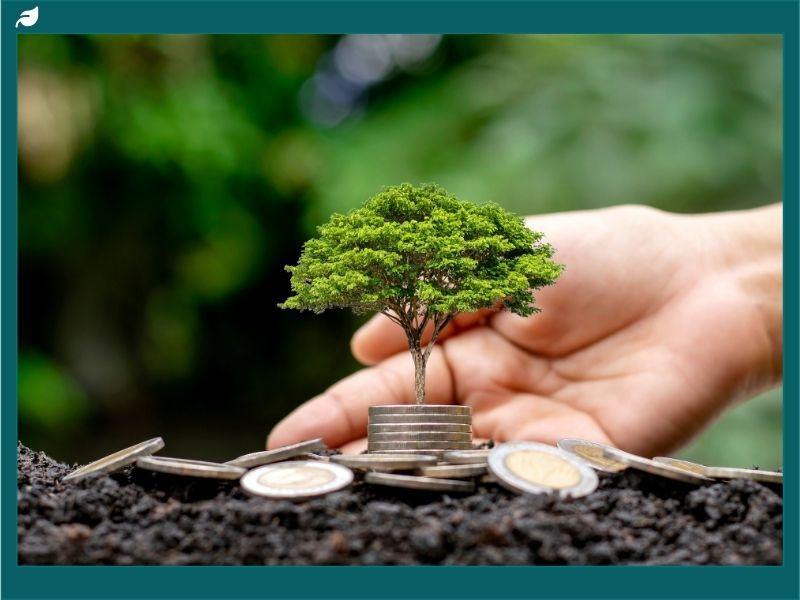
The Role of Environmental Responsibility
Environmental responsibility is key to building a sustainable world. It means taking steps to reduce harm to nature and keep ecosystems in balance. As more people and businesses become aware of issues like climate change and resource loss, they are choosing more sustainable ways to operate.
To achieve environmental responsibility, it is imperative to implement practices that actively reduce emissions and lower the carbon footprint. For businesses, this could mean investing in cleaner technologies, optimizing supply chains to be more ecologically friendly, and embracing renewable energy sources.
By fostering these environmentally sustainable initiatives, companies not only enhance their reputation but also position themselves as leaders in the new green economy. This not only attracts consumers who prioritize environmentally friendly products but also reduces costs associated with waste and inefficiency.
Communities also bear a significant role in promoting environmental responsibility. Social sustainability initiatives that focus on education and public engagement are vital for cultivating a culture that values nature.
These programs encourage individual responsibility and community participation in sustainability efforts, further amplifying the impact of corporate initiatives. The collective effort toward environmental responsibility ensures that resources are responsibly managed, ecological preservation is prioritized, and future generations inherit a world capable of sustaining long-term human vitality.
By embracing these values, society can move towards a truly sustainable future.
Individuals and businesses can embrace environmental responsibility effectively through various actionable ways:
- Adopt energy-efficient appliances to reduce resource consumption and lower overall energy costs.
- Support and invest in renewable energy sources like solar or wind power for a cleaner energy future.
- Encourage recycling and composting to diminish waste and promote a circular economy.
- Opt for sustainable materials in production to reduce environmental impact and support biodiversity.
- Implement water-saving measures like rainwater harvesting and efficient irrigation to conserve water resources.
- Participate in local environmental programs to foster community engagement and awareness.
- Educate employees and stakeholders about sustainability practices to create a culture of environmental responsibility.
By following these steps, we can help create a more sustainable future and keep our environment healthy for the long term.
Corporate Sustainability: Strategies and Benefits
Corporate sustainability is now a key part of planning for many companies. It’s about more than just reducing environmental impact—it means making sustainability a core part of how a business operates. As more organizations see the value of sustainable development, they use different strategies to reach their goals. This can lead to a better brand image, cost savings, and long-term success. Companies that take sustainability seriously are seeing real benefits.
How Companies Implement Sustainable Practices
With climate change and limited resources, companies are turning to sustainable practices to stay successful. This means rethinking how they do business and making sure their goals include sustainability. For example, using renewable energy and improving energy efficiency can cut carbon emissions and save money, while also showing a real commitment to sustainability.
Many companies are steering towards a circular economy model, which promotes reusability and reduces waste. By redesigning product lifecycles to extend durability and optimize resources, businesses can minimize environmental impact and curtail resource depletion. Additionally, leveraging technology to develop innovative solutions, like data analytics for optimizing supply chains or smart manufacturing for efficient resource use, brings businesses closer to achieving comprehensive economic sustainability.
Socially, firms are focused on social sustainability by investing in local communities and ensuring fair labor practices. This includes developing partnerships that uplift communities and create new economic opportunities.
Sustainable practices extend to fostering an inclusive workplace that recognizes the importance of diverse perspectives in driving innovation. Furthermore, companies actively engage stakeholders through transparent communication, fostering a culture of accountability and environmental responsibility.
These concerted efforts highlight that sustainability is not a single initiative but a multifaceted approach that requires commitment across all levels of the organization.
Benefits of Corporate Sustainability Efforts
Adopting corporate sustainability practices offers a plethora of business advantages that extend beyond environmental impact mitigation. One key benefit is the enhancement of brand reputation; companies recognized for their commitment to sustainability often earn significant consumer trust and loyalty.
This is particularly crucial in today’s market, where consumers increasingly favor ethically sourced and environmentally friendly products. By aligning with sustainability practices, businesses can differentiate themselves in competitive markets, potentially opening new revenue streams and improving market share.
From a financial perspective, embracing sustainable adj practices can result in considerable cost savings. Efficiency improvements often lead to lower operational costs, whether through reduced energy consumption, waste minimization, or optimized resource allocation.
These efficiencies also increase resilience against volatile resource prices, providing economic sustainability in the face of market fluctuations. Furthermore, many businesses report increased employee satisfaction and retention, as sustainability initiatives often align with the values of the modern workforce.
Corporate sustainability also poses long-term economic benefits. By reducing regulatory risks and future-proofing operations against stricter environmental legislation, companies safeguard their operations.
Furthermore, these efforts can enhance competitive advantages through proactive alignment with global sustainability agendas. Corporate sustainability brings long-term benefits, too. By preparing for future regulations and aligning with global goals, companies can protect their operations and stay competitive.
Supporting social sustainability also helps build better relationships with communities and stakeholders. These efforts make businesses and society stronger for the future. Reducing the carbon footprint, adopting sustainable adj methods, and promoting a balance between economic growth and ecological preservation are all important.
As society evolves, it’s crucial to implement resource management strategies that not only address current demands but also pave the way for future prosperity.

Practical Tips for Resource Management
Good resource management is central to sustainable development. It starts with checking how resources are used and finding ways to cut waste.
Using renewable energy, like solar or wind, helps reduce emissions and saves money. Many businesses are choosing these options because they’re both ethical and cost-effective.
Another important step is reusing and recycling materials, which cuts down on waste and helps the environment. Getting everyone involved—employees, communities, and customers—makes these efforts even stronger.
Together, these actions help us meet today’s needs and protect resources for the future.
| Key Strategies | Benefits | Examples | Stakeholder Involvement |
| Resource Efficiency | Reduces waste and costs | Energy-efficient manufacturing | Businesses, Government Agencies |
| Renewable Energy Use | Decreases carbon footprint and reliance on fossil fuels | Solar and wind power adoption | Energy Companies, Communities |
| Ecosystem Management | Preserves biodiversity and natural habitats | Forest restoration projects | Environmental NGOs, Local Governments |
| Circular Economy | Promotes recycling and product lifecycle extension | Product take-back schemes | Manufacturers, Consumers |
| Water Conservation | Ensures sustainable water supply | Drip irrigation systems | Farmers, Water Management Authorities |
This table outlines the multifaceted strategies deployed in sustainable resource management, illustrating their benefits and the importance of stakeholder participation for future readiness.
Embracing sustainability is a critical commitment towards fostering a balanced relationship between human progress and environmental stewardship. It calls for a collective effort across all sectors of society to innovate responsibly, reduce ecological footprints, and promote social equity.
As awareness grows, businesses and individuals are urged to adopt more sustainable practices, ensuring that their actions today do not compromise the ability of future generations to meet their own needs. By embedding sustainability into the core of our activities, we contribute meaningfully to a future that harmonizes economic development with the well-being of our planet and its inhabitants.