Blue whales, the largest animals on Earth, are facing an uncertain future as experts work to understand and protect their shrinking numbers. These gentle giants now represent the importance of marine conservation. By 2025, scientists are keeping a close watch on their populations, which dropped sharply due to commercial whaling in the last century. Knowing how many blue whales remain is key to creating plans that help them survive and keep our oceans healthy.
In this article, we explore the urgent topic of blue whale conservation.
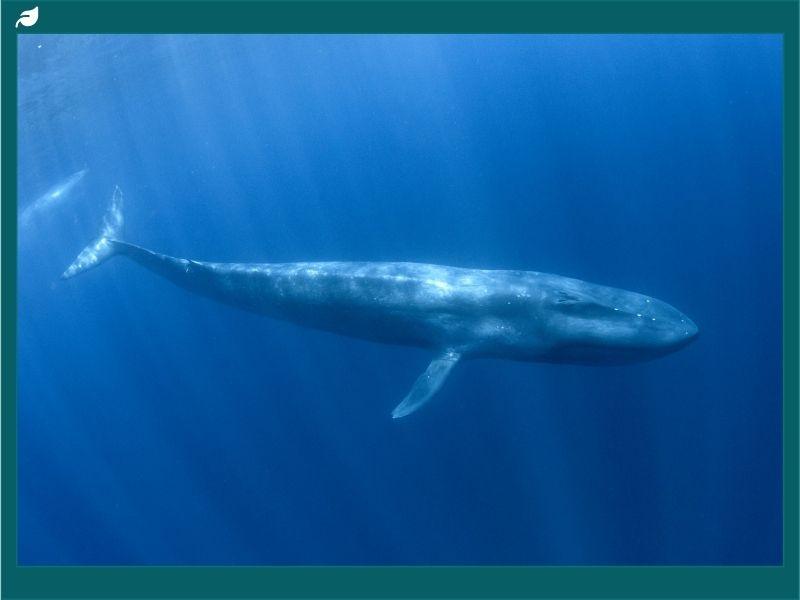
Understanding Blue Whale Populations
Blue whale populations have faced significant challenges over the past century, significantly impacting their numbers. As the largest known animals on our planet, their presence is crucial not only ecologically but also as a reflection of oceanic health.
Over the years, research surveys have provided insights into the current status of these majestic creatures. Through various abundance estimates, scientists try to pinpoint how many still roam our oceans, helping guide conservation efforts.
Understanding the factors influencing their status is critical in crafting effective measures to protect this endangered species globally.
Current Estimates: How Many Blue Whales Are Left?
Even with ongoing efforts, it is still hard to get exact numbers for blue whale populations. Recent studies estimate there are between 10,000 and 25,000 blue whales worldwide.
This wide range shows how difficult it is to count them, since they travel long distances and live in deep, remote parts of the ocean. Most blue whales are found in the North Pacific, where their numbers have started to recover since commercial whaling ended.
However, in other areas, especially parts of the Southern Hemisphere, blue whale populations are still struggling. The International Whaling Commission has created rules to help increase whale numbers, but because blue whales live long lives and reproduce slowly, recovery is very slow.
These estimates are important for shaping conservation plans and tracking progress for this endangered species.
Factors Influencing Blue Whale Status
Many factors affect blue whale populations today. In the past, commercial whaling caused their numbers to drop sharply, and its effects are still felt.
Now, blue whales face threats like ship strikes, climate change, and pollution. Since blue whales depend on krill for food, changes in krill caused by warming oceans can hurt their populations.
More ships in the ocean also increase the risk of whales being hit. Noise from ships makes it harder for blue whales to communicate, which is important for their migration and breeding.
Researchers are working to find and reduce these threats. By working with international groups and local governments, conservationists hope to protect blue whales now and in the future.
The Impact of Conservation Efforts on Blue Whales
Conservation efforts have become vital in the quest to improve blue whale populations worldwide. These gentle giants, previously decimated by commercial whaling, now face new challenges requiring innovative solutions.
Through targeted conservation strategies, various organizations have strived to curb further decline and foster population recovery. Conservation work is now essential to help blue whale populations recover. After suffering from commercial whaling, blue whales face new problems that need creative solutions.
Organizations use targeted strategies to stop further decline and help their numbers grow. Both international rules and local community actions are important. Marine protection policies and community projects have made a difference, but big challenges still exist.
Ongoing teamwork and new ideas are needed to protect blue whales for the future. When enforcement of marine protection and international policies aligns with local initiatives, recovery is achievable. These successes serve as important reminders that endangered species can rebound when concerted efforts prioritize their survival.
However, the work is far from complete. In the Southern Hemisphere, many blue whales are still recuperating from rampant whaling practices of the past, requiring tailored approaches specific to distinct environmental and social contexts.
The ongoing challenges facing blue whales emphasize the need for persistent attention to oceanic threats. Ship strikes remain a grave concern, alongside escalating ocean noise pollution, which disrupts vital communication among whale populations. Additionally, environmental changes, particularly those affecting krill availability, undermine recovery attempts.
Despite past victories, sustained efforts in whaling reduction, habitat protection, and scientific research are paramount. Conservationists must continuously adapt strategies, leveraging technology and policy, to address these persistent issues. Such adaptability ensures that conservation efforts remain relevant and effective in securing a thriving future for the blue whale species.
Additional Challenges and Opportunities Concerning Blue Whale Conservation
- Develop comprehensive policies that integrate climate change mitigation with blue whale conservation strategies.
- Enhance public education programs to increase awareness about the impact of marine litter on whale habitats.
- Strengthen partnerships with indigenous communities to incorporate traditional ecological knowledge in conservation planning.
- Implement adaptive management practices that account for the shifting distribution of prey species due to environmental changes.
- Encourage innovations in sustainable tourism to prevent disruption of blue whale feeding and breeding grounds.
- Increase investment in the development of quieter marine technology to reduce acoustic disturbance in critical habitats.
These strategies will help address the current challenges faced by blue whale populations and improve conservation outcomes.
The Role of International Policies on Blue Whale Recovery
International policies have been instrumental in steering blue whale recovery efforts toward positive outcomes. The International Whaling Commission (IWC) has played a pivotal role by enforcing whaling bans, demonstrating a significant commitment to marine species protection. These policies have catalyzed the recovery of blue whale populations, illustrating that coordinated global actions can effectively curb the decline of endangered species.
Additionally, various international maritime agreements have facilitated the creation of protected marine areas, ensuring crucial habitats for whales remain undisturbed by commercial activities. Despite these regulations, obstacles persist. Policy implementation often faces challenges, from enforcement gaps to insufficient funding for comprehensive monitoring of blue whale populations.
Notably, cooperation across nations and stakeholders is critical, as many challenges transcend borders, such as climate-induced changes affecting krill populations, the primary feeding source for blue whales. Therefore, international policies must evolve, integrating scientific insights to maintain relevance and effectiveness.
Through collaboration, shared data, and resource exchange, countries can foster more robust conservation ecosystems, addressing both traditional and emerging threats to blue whale recovery. The global community’s active participation and commitment to reinforcing these policies are paramount for achieving long-term sustainability and population stability for blue whales.
Cultural and Ecological Significance of Blue Whales
Blue whales are more than just the largest animals in the ocean; they have deep cultural and ecological importance. Their size and presence represent the wonder of marine life. People have told stories and created art about blue whales, making them well-known symbols.
Ecologically, blue whales help keep ocean environments healthy. As threats to the ocean grow, it is even more important to protect blue whales. Their survival is closely linked to the health of all marine life and our cultural heritage.

The Importance of Blue Whales in Marine Ecosystems
Blue whales are key to keeping marine ecosystems balanced. They support a wide range of ocean life and provide direct benefits to the environment.
Blue whales mainly eat krill, and by feeding on them, they help control krill populations and keep the food web in balance. When blue whales release waste, they add nutrients to the water, which helps phytoplankton grow. Phytoplankton are the base of the ocean food chain and support many other species.
Blue whales are important for more than just their role in the ecosystem. As large marine mammals, they help scientists track the health of the oceans.
Changes in their migration, numbers, or reactions to the environment give clues about bigger trends in the sea. Many cultures also see blue whales as symbols of the connection between people and the ocean. Understanding their place in stories and traditions helps us value and protect them even more.
Blue whales show how closely connected ocean health and human culture are. Protecting them helps keep marine ecosystems balanced and saves an important part of our heritage.
Recognizing their value is key as we work to conserve marine life. Because of their importance, it is urgent to take strong action to protect blue whales so they can survive for future generations.
Future Projections for Blue Whale and Other Whales
Looking to the future, the outlook for blue whales and other whales is mixed. As people around the world work harder to protect these animals, many factors must be considered.
Their survival depends on changes in the ocean and how well international rules are enforced. Some areas have seen whale numbers go up, but others still need more help.
New technology and better cooperation between countries offer hope that conservation efforts will help whales thrive, even as the environment changes.
What Lies Ahead for Blue Cetacean Conservation?
The future of blue whale and other whale conservation depends on many changing factors. Climate change is affecting the oceans, which means the amount of krill—blue whales’ main food—may go up or down. These changes could have a big impact on whale numbers, especially in places like the Atlantic.
Scientists say it is important to study how the ocean and krill populations are changing to make good plans for the future.
Besides environmental shifts, the increased global maritime traffic raises concerns about ship strikes, posing a higher risk to these already vulnerable animals. More ships in the ocean mean whales are more likely to be hit, which is a serious problem for these vulnerable animals.
To protect whales, it is important to find ways to reduce these risks. New technology, like better tracking systems, can help prevent accidents. Working together across countries is also key to improving whale conservation. International agreements need to keep changing to deal with new threats.
Reducing ocean noise pollution, limiting plastic waste, and maintaining sustainable fish stocks can provide healthier habitats for these giants. These proactive measures could significantly impact the declining whale populations across our oceans.
With robust scientific research offering clearer insights and potential solutions, cetacean conservation can integrate these strategies to foster a more positive outlook for these majestic creatures. Through continued dedication and adaptation, the survival prospects for blue whales can improve, reinforcing their ecological and cultural significance within our marine ecosystems.
Besides environmental shifts, the increased global maritime traffic raises concerns about ship strikes, posing a heightened risk to these already vulnerable animals. Efforts to mitigate such risks are necessary to safeguard whale populations.
Technologies like advanced tracking systems could play an essential role in minimizing human-wildlife conflicts at sea. Equally, international collaborations are crucial in enhancing cetacean conservation efforts. Global treaties and agreements need to adapt continuously, ensuring that they address emerging threats efficiently.
Moreover, a focus on sustainable fisheries management and pollution control will be vital for future conservation initiatives. Reducing ocean noise pollution, limiting plastic waste, and maintaining sustainable fish stocks can provide healthier habitats for these giants.
These proactive measures could significantly impact the declining whale populations across our oceans. With robust scientific research offering clearer insights and potential solutions, cetacean conservation can integrate these strategies to foster a more positive outlook for these majestic creatures.
Through continued dedication and adaptation, the survival prospects for blue whales can improve, reinforcing their ecological and cultural significance within our marine ecosystems.
Moreover, a focus on sustainable fisheries management and pollution control will be vital for future conservation initiatives. Reducing ocean noise pollution, limiting plastic waste, and maintaining sustainable fish stocks can provide healthier habitats for these giants.
These proactive measures could significantly impact the declining whale populations across our oceans. With robust scientific research offering clearer insights and potential solutions, cetacean conservation can integrate these strategies to foster a more positive outlook for these majestic creatures.
Through continued dedication and adaptation, the survival prospects for blue whales can improve, reinforcing their ecological and cultural significance within our marine ecosystems.
| Conservation Challenges | Technological Advancements | International Cooperation |
| Climate change impacts | Satellite tracking improvements | Enhanced global treaties |
| Pollution and ship collisions | Advanced acoustic monitoring | Joint research initiatives |
| Overfishing affecting food supply | AI in population analysis | Data sharing standards |
This table shows how complex blue whale conservation is. Many factors, such as environmental problems, new technology, and working together internationally, all play a part in shaping how we respond to global changes.
The global outlook for blue whales in 20The future of blue whales in 2025 depends on ongoing conservation work and countries working together to tackle threats like climate change and pollution. Protecting marine areas and keeping a close watch on whale populations are key steps. Teaching people about these issues can help communities push for better environmental policies. By using sustainable fishing and finding new solutions, we can help blue whale numbers grow, so future generations can enjoy seeing these amazing animals.