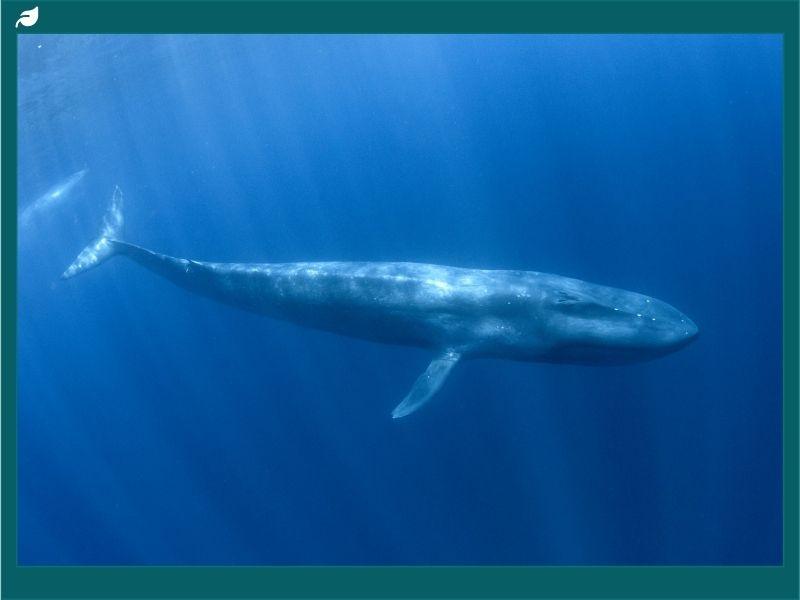
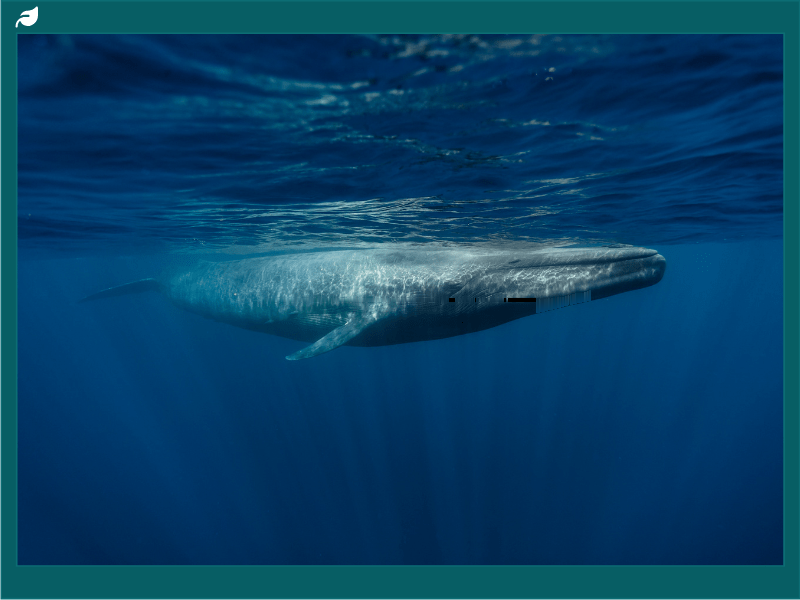
The blue whale, the largest known animal, is currently threatened with extinction. Once abundant in global oceans, blue whale populations have declined sharply due to commercial whaling and ocean pollution.
Understanding the specific factors contributing to their endangered status is essential for developing effective conservation strategies. Blue whales function as indicators of ocean health, highlighting the need to address ecological challenges to secure their continued existence.
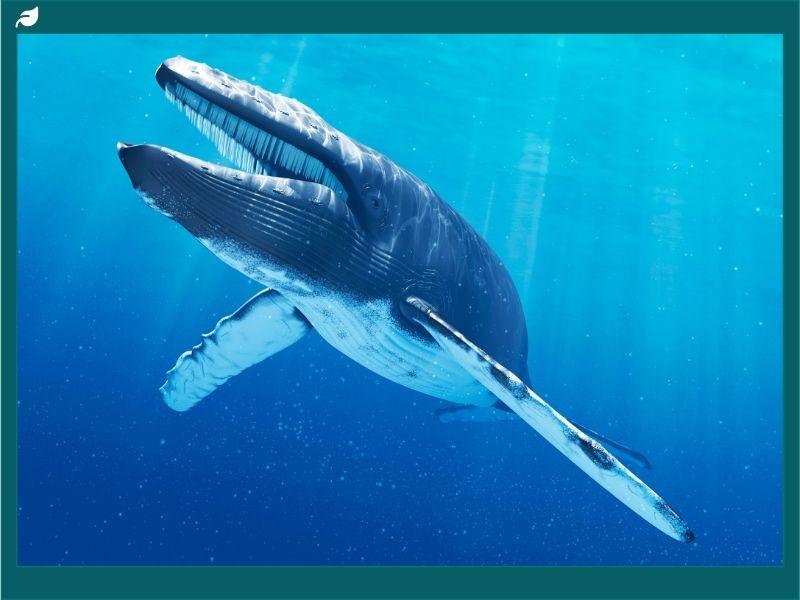
Understanding the Threats to Blue Whales
The majestic blue whale, the largest marine mammal, faces numerous threats that have pushed it to the brink of extinction. Despite their massive size, these gentle giants are not immune to the dangers of the ocean.
Key threats to their survival include ocean noise and vessel impacts, with each having a profound effect on whale populations. Understanding these hazards is crucial for science and conservation efforts aiming to help the species recover.
This section delves into the impact of ocean noise on blue whales, exploring how it disrupts their habitat and threatens their survival.
Impact of Ocean Noise on Blue Whales
Ocean noise represents a significant environmental threat, with considerable impacts on blue whales and other marine organisms. Increased commercial shipping, oil exploration, and fisheries activities have elevated noise levels, posing severe risks to these mammals.
Noise pollution disrupts communication, breeding, and feeding behaviors that are vital for survival. Because whales depend on sound for navigation and social interaction, anthropogenic noise impairs their ability to locate krill, their main food source.
Research indicates that chronic exposure to high levels of ocean noise can lead to physical stress and behavioral changes in blue whales, making them more vulnerable to other threats, such as vessel impacts. The combination of these stressors can significantly hinder their recovery.
Additionally, the overlap of busy shipping lanes with critical blue whale habitats exacerbates the problem, leading to increased risks of collisions and further habitat degradation. The role of science in addressing these threats is paramount; initiatives to monitor ocean noise levels and enforce quieter ship technologies are vital steps towards conservation.
Conservation of blue whale populations requires a thorough understanding of their habitat requirements and the cumulative effects of oceanic threats. Collaboration among environmental organizations, governmental agencies, and industry stakeholders is essential to reduce ocean noise and support species recovery.
Implementing effective marine conservation policies is necessary to limit noise pollution, protect critical habitats, and secure the long-term survival of blue whales. The responsibility to protect these species from ongoing anthropogenic pressures rests with the global community.
Why Are Blue Whales Endangered?
The blue whale, an iconic marine mammal, remains one of the most endangered species due to various human-induced threats. These magnificent creatures face significant challenges such as ship strikes, habitat degradation, and ensnarement in fishing gear.
While commercial whaling once posed the most severe threat to their survival, current dangers are more nuanced, heavily involving modern maritime activities. Understanding these complex threats blue whales face is vital for effective conservation strategies.
This exploration focuses on how fishing gear contributes to the peril of blue whale populations, alongside existing conservation efforts aimed at mitigating these threats.
The Role of Fishing Gear in Blue Whale Safety
Fishing gear constitutes a significant ongoing threat to blue whale populations. Entanglement, commonly referred to as bycatch, frequently results in severe injury or mortality.
As fisheries expand, the incidence of bycatch has risen, intensifying conservation concerns. Commercial fishing equipment such as longlines, nets, and traps presents substantial hazards, as blue whales can become entangled, restricting movement and surfacing, which may lead to drowning or injuries that impair feeding and evasion of predators.
Research demonstrates that entanglement in fishing gear significantly hinders blue whale recovery by disrupting habitats and compromising health. Conservation biologists advocate for the adoption of safer fishing practices and the development of whale-safe gear.
Technologies that notify fishers of nearby marine mammals can decrease entanglement incidents. Collaboration between fisheries and conservation organizations is essential for establishing effective regulations.
Integrating these measures with community-based initiatives can help ensure that fishing operations do not jeopardize whale safety.
Beyond direct physical harm, entanglement in fishing gear increases blue whales’ vulnerability to secondary threats, including ship strikes. Reduced mobility following entanglement makes whales more susceptible to vessel collisions.
Addressing fishing gear entanglement not only protects individual whales but also advances broader conservation objectives. Efforts to improve fishing regulations must be accompanied by international cooperation to manage shared marine ecosystems.
Adherence to these regulations supports the goal of maintaining resilient ocean ecosystems for endangered species.
To further explore the importance of safer fishing practices, consider the following steps that can be taken to protect blue whales:
- Implement advanced tracking systems to detect marine mammals near fishing zones quickly.
- Adopt gear modifications that allow whales to escape if entangled.
- Mandate seasonal fishing restrictions in high whale-density areas to reduce risks.
- Promote international collaboration for consistent fishing regulations across shared waters.
- Advocate for research funding to innovate effective whale-safe fishing technologies.
- Support community-based initiatives that educate and engage local fishermen in conservation efforts.
- Strengthen enforcement of existing laws and regulations to ensure compliance and protect marine life.
Implementing these approaches contributes to a safer and more sustainable environment for blue whales.

The Current Status of Blue Whales
The blue whale, once widespread throughout global oceans, is now classified as an endangered species. Although conservation and scientific efforts have made progress, persistent threats continue to endanger population stability.
Factors such as commercial whaling and habitat degradation are interconnected and require comprehensive recovery strategies. Determining when blue whales became endangered provides context for their current status and underscores the necessity for ongoing conservation initiatives.
When Did They Become Endangered?
The journey of blue whales to becoming an endangered species is deeply rooted in the history of human activities, particularly those affecting their habitat and food supply.
Commercial whaling, which proliferated in the early 20th century, drastically decreased whale populations, bringing them to the brink of extinction. The impact of commercial hunting was staggering, with whale numbers plummeting by as much as 90% by the 1960s.
This period marked a turning point where these marine mammals were recognized as endangered, prompting global outcry and drastic measures to protect them. Despite the moratorium on commercial whaling established by the International Whaling Commission in 1986, the effects of prior exploitation lingered, hindering their recovery.
Scientific research has revealed multiple interconnected threats to blue whale survival. Habitat loss, driven by oceanic and climatic changes, complicates recovery efforts.
The primary food source for blue whales, krill, is also affected by oceanographic shifts and overfishing, directly impacting whale nutrition. Furthermore, the overlap of blue whale habitats with major shipping lanes introduces additional risks, including ocean noise and ship strikes.
The species’ reliance on sound for communication and navigation increases their vulnerability to these disturbances, exacerbating their endangered status.
Contemporary conservation efforts employ a combination of legislative action, scientific research, and international collaboration. Initiatives to reduce ocean noise and expand marine protected areas aim to safeguard critical habitats.
Monitoring whale migration patterns informs the adaptation of these measures. Although commercial hunting is no longer the primary threat, the cumulative effects of historical and current challenges persist.
The current priority is to create conditions that support blue whale recovery, recognizing their essential role in maintaining marine ecosystem balance.
Preserving Blue Whales: A Call to Action
With blue whales facing imminent extinction, coordinated preservation efforts are essential. Protecting these marine mammals necessitates strategic responses to the diverse threats they encounter.
The following section outlines practical conservation measures, emphasizing the importance of research, technological innovation, and international cooperation. Addressing issues such as habitat disruption, ocean noise pollution, and fishing gear entanglement requires sustained commitment to marine conservation and the protection of endangered species.
| Key Threats | Protective Measures | Technological Solutions | International Collaboration | Goals |
| Ship Strikes | Speed Regulations | Advanced Tracking Systems | Global Maritime Agreements | Reduce Mortality Rates |
| Noise Pollution | Establish Quiet Zones | Noise-Reducing Propellers | Joint Research Initiatives | Enhance Habitat Protection |
| Climate Change | Habitat Conservation | Climate Modeling Tools | UN Climate Pacts | Safeguard Feeding Grounds |
| Fishing Bycatch | Improved Fishing Practices | Bycatch Reduction Technologies | Fisheries Partnership Programs | Minimize Unintended Capture |
The following table presents the diverse strategies necessary for blue whale conservation, highlighting the integration of protective measures with technological and international advancements.
Practical Steps to Protect Endangered Species
Conserving blue whales as endangered species requires a comprehensive, multifaceted approach to address multiple threats. Central to this strategy is the establishment of marine protected areas (MPAs) that shield critical habitats from commercial exploitation.
MPAs offer protection from fishing gear entanglement and other risks, supporting population recovery. Scientific research informs this approach by identifying key feeding and breeding sites, guiding policy decisions to prioritize marine life protection.
Emphasizing areas abundant in krill, the primary food source for blue whales, is essential for supporting their nutrition and population growth.
Mitigating ocean noise is another critical challenge for blue whale conservation. The adoption of quieter ship technologies and the enforcement of stringent noise regulations in shipping lanes frequented by whales can substantially reduce disturbances.
Addressing this issue necessitates international cooperation, as noise pollution crosses national boundaries. Continuous monitoring of shipping activities and strict enforcement of underwater noise limits utilize advances in acoustic tracking to safeguard marine life.
Public awareness campaigns further emphasize the connection between ocean health and human behavior, promoting collective responsibility for conservation.
Reforming the fishing industry is essential to reduce accidental bycatch of endangered species. The development and implementation of whale-safe fishing gear, as well as real-time alert systems for fishers, are critical measures.
These innovations help prevent fatal interactions with fishing equipment and foster collaboration among conservationists, scientists, and fisheries. International agreements are necessary to standardize these practices and ensure coordinated marine conservation efforts.
Promoting sustainable fishing and addressing key threats supports the long-term survival of blue whales and underscores the global importance of species conservation.
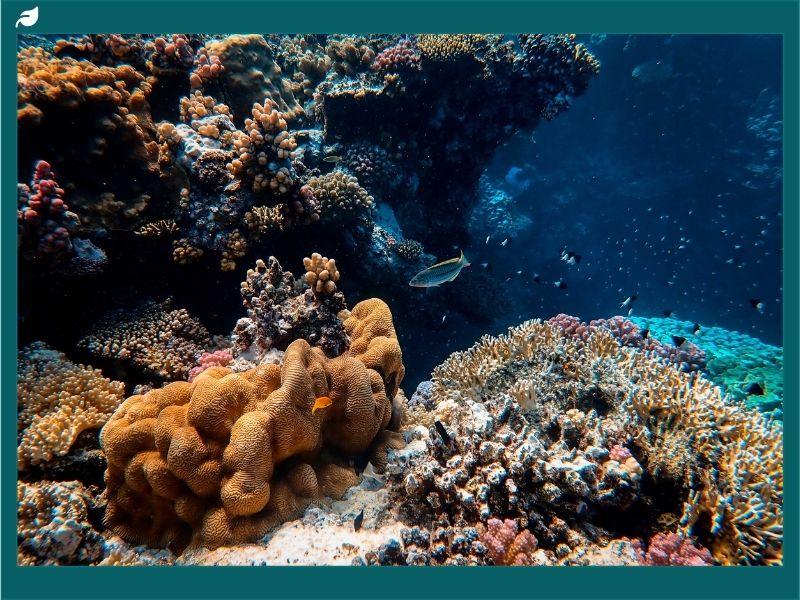
The Significance of Blue in Marine Life Conservation
The blue whale exemplifies the urgent need for effective marine conservation. As the largest marine mammal, blue whales play a vital role in ocean ecosystems by regulating krill populations.
Conservation initiatives focused on blue whales highlight the interconnectedness of marine systems and the necessity of protecting all whale species. Addressing blue whale conservation also brings attention to broader threats within their habitats, including commercial whaling and escalating ocean noise pollution.
Past commercial whaling decimated blue whale populations, reducing their numbers drastically. Historical commercial whaling severely reduced blue whale populations.
Although the current ban on commercial whaling provides some protection, population recovery remains slow due to persistent threats. Conservation strategies must address these ongoing challenges by prioritizing marine sanctuaries and reducing ocean noise to protect blue whale populations.
Highlighting these issues supports the adoption of sustainable practices that safeguard marine mammals from risks such as ship strikes and fishing gear entanglement, emphasizing the fragile balance of marine ecosystems and ecological diversity. Blue whales, through their immense presence and krill consumption, promote the health of marine environments.
Addressing the threats blue whales face involves a commitment to reducing ocean noise, regulating shipping traffic, and deploying innovative technologies to minimize bycatch. These actions form the backbone of marine life protection initiatives, illustrating a growing global emphasis on conservation.
By ensuring the survival of the blue whale, we contribute to the resilience and sustainability of our oceanic ecosystems.
Protecting blue whales from further endangerment requires robust policy enforcement, habitat preservation, and increased community awareness. International collaboration, stricter regulation of ship traffic, and investment in sustainable seafood practices are essential.
Education and sustained commitment are necessary to ensure the continued survival of blue whales and the maintenance of ocean biodiversity. Prioritizing climate change mitigation is also critical, given the interconnectedness of industrial activities, ecosystems, and species survival.