Tesla’s ambitious rollout of its Robotaxi service has encountered several challenges that have sparked widespread attention and concern. While the idea of autonomous vehicles transforming urban mobility is appealing, reported incidents have raised questions about safety, reliability, and regulatory compliance.
As Tesla pushes forward with innovative solutions, navigating these hurdles is essential to gaining public trust and achieving commercial success. Understanding the intricacies of these challenges offers insight into the delicate balance between technological advancement and public assurance, as Tesla strives to lead the future of transportation.
The Vision Behind Tesla Robotaxi Services
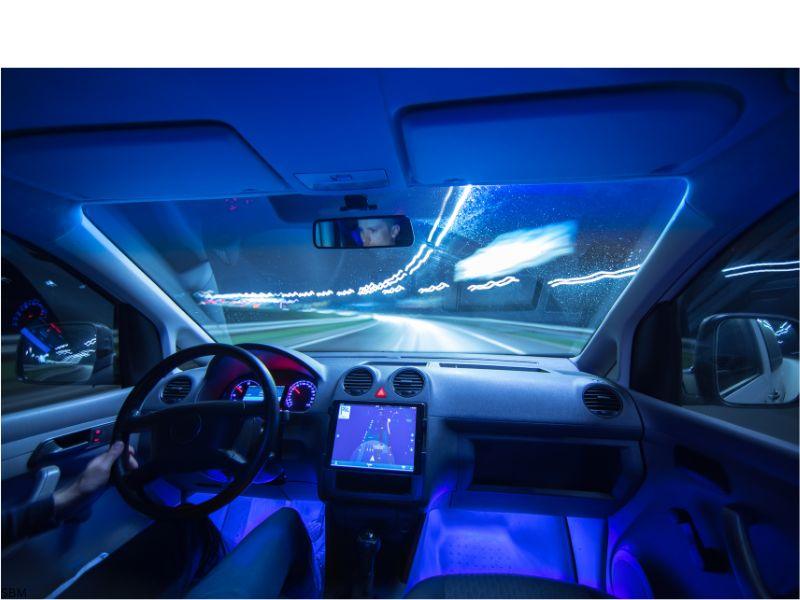
Tesla’s pursuit of a fully integrated robotaxi service represents a convergence of cutting-edge technology and visionary urban mobility solutions. As cities grapple with congestion and emissions, Tesla’s innovation in autonomous car tech offers a transformative solution. By leveraging advancements in AI and machine learning, this initiative aims to reshape urban landscapes and reduce reliance on traditional vehicles.
The Tesla app intends to seamlessly connect users to this network, enhancing the ride experience while contributing to sustainable urban transport. As Tesla deploys these services across key markets, the potential for change extends to urban planning and environmental benefits.
Innovative Technology in Autonomous Driving
Tesla’s robotaxi service relies heavily on its innovative advancements in AI technology and machine learning to drive an autonomous car experience. The company has developed sophisticated algorithms and utilized cutting-edge sensors to create a comprehensive autonomous driving system. This involves a combination of radar, ultrasonic sensors, and cameras placed strategically around the vehicle to ensure it can navigate densely populated urban environments safely and efficiently. The technology is integrated with Tesla’s proven electric vehicle platforms, ensuring the service not only advances urban mobility but also aligns with sustainable energy objectives.
Besides the physical tech, Tesla has invested significantly in AI to improve decision-making in real-time scenarios, which is critical as the robotaxi service progresses. Through constant data input from active vehicles, Tesla continually refines its artificial intelligence to enhance route planning, obstacle detection, and predictive analytics, enabling the vehicles to learn and react like a human driver. The app connects passengers directly to this tech, offering a seamless ride experience from booking to drop-off. These advancements not only place Tesla at the forefront of the autonomous vehicle industry but promise to push the boundaries of what’s possible in urban transport.
Impact on Urban Mobility Solutions
The introduction of Tesla’s robotaxis is poised to revolutionize urban mobility solutions in unprecedented ways. By offering a ride service that doesn’t require a human driver, Tesla is fostering the development of smart cities, where transportation is fundamentally more efficient and eco-friendly. This shift promises to decrease both traffic congestion and emissions, enhancing the quality of life in urban areas. As more companies compete in the robotaxi space, a new era of urban transport beckons, with Tesla establishing itself as a pivotal force in this transformation.
Crucial to this vision is Tesla’s strategy to integrate its robotaxis into existing city transport ecosystems. By working alongside urban planners and policymakers, Tesla aims to adjust its service offerings to complement public transit options, offering an efficient solution to crowded cityscapes. Furthermore, the reduced need for parking and fossil fuel consumption aligns with the growing global imperative to combat climate change and enhance city living conditions. As Tesla robotaxi service begins operations in major markets, the potential ripple effects on urban design and policy cannot be underestimated, marking a significant step forward for sustainable and innovative transport solutions worldwide.
Key Challenges in the Robotaxi Launch
Tesla’s ambitious rollout of robotaxi services isn’t without its challenges, facing a complex landscape of regulatory hurdles and safety concerns. As the company embarks on redefining urban transport, navigating varying regulations across global markets becomes crucial. Safety incidents, emerging from pioneering autonomous technology, demand immediate attention to mollify public perception.
Tesla’s robotaxi initiative must balance innovation with compliance to ensure a successful introduction into metropolitan ecosystems. By addressing these key areas, Tesla can pave the way for the long-term viability and acceptance of autonomous vehicles in modern cities.
Navigating Regulatory Hurdles

The robotaxi launch has entailed navigating a labyrinth of regulatory hurdles, particularly noticeable in diverse markets like California. Various cities impose unique sets of standards, impacting Tesla’s ability to seamlessly deploy their autonomous service. Regulatory bodies are cautious in permitting robotaxis to roam freely due to the existing infrastructure and legal standards that haven’t quite kept pace with rapid technological advancements. In California, the birthplace of innovation, there are stringent rules ensuring that vehicles meet high safety and performance criteria. Tesla must adjust its operations to conform to each city’s regulatory environment, requiring a keen understanding of local laws and bureaucratic processes.
In addition to municipal regulations, there are broader, nationwide requirements that Tesla needs to satisfy. Engaging with policymakers to address these regulatory hurdles is essential for the robotaxi initiative’s success. Tesla’s strategy involves not only adapting its technology but also providing evidence of safety and efficiency to regulatory bodies. This includes delivering data-driven insights to prove the robotaxi’s capability to responsibly navigate urban landscapes without human intervention. As Tesla makes strides toward regulatory compliance, it highlights the broader narrative of balancing innovation and legal frameworks, essential for the continued rollout of autonomous vehicles worldwide.
Addressing Safety Concerns and Incidents
Robotaxi safety is a paramount concern as Tesla aims to prevent and address various incidents that may arise from autonomous vehicle operation. These vehicles operate without human drivers, placing full reliance on advanced technology to ensure public safety. Incidents involving Tesla robotaxis have attracted significant media attention, influencing public perception and trust in autonomous tech. Developing robust safety protocols is essential for mitigating these concerns and ensuring a favorable reception in the market.
Public perception of robotaxi safety is shaped by both real and perceived risks, compounded by high-profile incidents. Addressing these concerns involves a dual approach: refining the technology to prevent future incidents and fostering transparent communication with the public. Tesla must enhance safety features, such as AI’s decision-making algorithms, and conduct rigorous testing to assure the public of their robotaxi’s reliability.
Moreover, building trust in these autonomous systems necessitates open dialogue about safety measures, emphasizing how incidents are managed and prevented. By effectively tackling safety issues and incidents, Tesla can bolster confidence in its robotaxi services and advance the broader acceptance of autonomous vehicles.
Analyzing Incidents Involving Tesla Robotaxi
The rollout of Tesla’s robotaxis has not been without its challenges, particularly with incidents affecting public perception and trust. Delving into recent reports and case studies provides a clearer picture of the issues and patterns emerging from these incidents. Furthermore, examining the public’s reaction reveals the trust issues that Tesla must address to ensure the success of its autonomous service. This section sheds light on these challenges, showcasing the complexities Tesla faces in creating a reliable, widely-accepted robotaxi network.
Recent Reports and Case Studies
The recent reports surrounding Tesla robotaxi incidents have sparked considerable interest, revealing both the potential and pitfalls of autonomous technology. Detailed case studies illuminate a range of issues from minor accidents to more significant system failures. Investigating these incidents helps uncover whether the technology functions as expected and what gaps may exist. Notably, some reports highlight instances where the robotaxi works efficiently, navigating complex urban environments with precision. However, other cases underscore challenges such as unexpected obstacles or system glitches, which occasionally lead to mild errors or ride disruptions. Through these reports, it’s evident that while Tesla’s tech often performs optimally, the margin for error still exists and must be addressed methodically.
Beyond the functionality, these case studies offer insights into the user experience and what may lead to robotaxi regrets. For many users, the novelty of riding an autonomous Tesla brings excitement, yet this is tempered by uncertainties about the system’s reliability. Detailed, data-driven analyses from these reports have prompted discussions on refining autonomous algorithms to mitigate incident frequency. The emphasis lies in enhancing predictive tech and ensuring real-time adaptation to unique traffic scenarios. This data collection and assessment drive home the need for ongoing refinement in AI technology, ultimately aspiring to eliminate incidents and foster a safer, more reliable service.
Public Perception and Trust Issues
Public perception plays a critical role in the adoption of Tesla’s robotaxi services, as trust issues can significantly influence users’ willingness to engage with the technology. Incidents and reports shape how the public views the safety and efficiency of these autonomous vehicles. Notably, high-profile incidents have garnered media attention, which in turn impacts public confidence. The challenge for Tesla lies in transforming these perceptions by demonstrating the robotaxi’s reliability and addressing the factors that contribute to public skepticism.
Trust issues often stem from a lack of familiarity with autonomous systems and the fear of the unknown that comes with it. To counteract this, Tesla is tasked with transparent communication regarding safety protocols and incident management strategies. Engaging directly with robotaxi users and the broader public through educational initiatives can also demystify the technology and build trust. Furthermore, emphasizing the robotaxi’s advantages, such as its eco-friendliness and efficiency in urban mobility, can help shift the narrative from fear to acceptance.
Building public trust is not solely about addressing incidents but also about celebrating the successes of the autonomous system when it works flawlessly. Highlighting case studies where the robotaxi has enhanced ride experiences or seamlessly integrated into urban settings can reassure potential users of its benefits. By tackling these trust issues head-on and fostering a culture of transparency and engagement, Tesla can pave the way for greater acceptance and integration of its robotaxi service into everyday life.
The Role of Tech Developments in Autonomous Vehicles
Tech developments are fundamentally reshaping the landscape of autonomous vehicles, propelling companies like Tesla and Waymo to the forefront of innovation. These advancements in AI and machine learning are not only driving the creation of self-driving vehicles but are also redefining urban transportation solutions. As these companies forge ahead in deploying their technologies, they face the challenge of balancing rapid tech developments with regulatory demands and safety concerns. Their strategies for future innovations indicate a future where autonomous vehicles will become an integral part of everyday life, transforming how societies view mobility and transportation.
Advancements in AI and Machine Learning
Advancements in AI and machine learning have become the cornerstone of tech developments in autonomous vehicles. These technological leaps enable vehicles to perform complex tasks that resemble human decision-making, enhancing both safety and efficiency. Major companies like Tesla and Waymo invest heavily in these technologies, recognizing their potential to transform the entire transportation ecosystem. Tesla leverages sophisticated AI to manage dynamic driving environments, using real-time data and machine learning to refine its decision-making processes. This technological framework allows vehicles to navigate urban landscapes efficiently, identify pedestrians, and adapt to unpredictable road conditions, akin to a conscious driver.
Machine learning algorithms play a critical role in processing vast amounts of data collected from different sensors, allowing autonomous systems to learn from past experiences. This iterative learning process enables the vehicle to improve over time, enhancing its response to similar situations in the future. The continuous feedback loop facilitated by machine learning is crucial for refining these systems, as it offers opportunities to adjust and optimize the technology in real-world scenarios. For companies engaged in autonomous technology, the emphasis is on ensuring that these systems evolve constantly, reducing the likelihood of incidents while boosting public confidence in the vehicles’ reliability.
As AI and machine learning continue to evolve, their integration into autonomous vehicles promises to revolutionize urban mobility. The goal is to achieve not merely technical proficiency but also societal acceptance. Companies must deliver a compelling value proposition that includes enhanced safety features, reduced operational costs, and environmentally-friendly solutions. By prioritizing these advancements, Tesla, Waymo, and others aim to redefine transportation, setting new standards for vehicle technology while aligning with sustainable mobility objectives.
The Company’s Strategy for Future Innovations
Tesla’s strategy for future innovations in the field of autonomous vehicles is geared towards creating revolutionary mobility solutions. This vision involves not just advancing the vehicle technology but also encompassing a broader role within the urban ecosystem. Tesla focuses on integrating its autonomous fleet with smart city grids to improve traffic flow and reduce environmental impact. This strategy reflects a commitment to sustainable development, aiming to align their vehicles with global climate goals. Tesla’s engagement with policymakers and urban developers highlights their intent to synchronize their vehicles’ operations with existing transport infrastructure.
The company also places a strong emphasis on continuous research and development, ensuring that future iterations of its autonomous technology surpass current standards. A significant part of this strategy is maintaining robust collaborations with tech companies and research institutions to leverage collective expertise in AI and machine learning. By doing so, Tesla aims to remain at the cutting edge of autonomous tech developments, anticipating and addressing potential challenges before they arise. The firm’s proactive approach to innovation demonstrates its anticipation of future mobility needs, prioritizing the creation of technology that adapts to societal shifts and emerging trends.
Tesla’s strategic vision also includes expanding its global presence, tailoring its autonomous vehicle offerings to cater to diverse international markets. This involves customizing technology to meet local regulatory requirements and addressing unique market demands. Through strategic partnerships and adaptive vehicle design, Tesla intends to position itself as a global leader in sustainable autonomous transportation. Importantly, the company’s strategy emphasizes enhancing public perception of autonomous vehicles, focusing on transparency, safety, and reliability, which are crucial for gaining widespread acceptance in various cultural contexts. This forward-thinking approach to innovation positions Tesla at the forefront of reshaping global mobility paradigms.
As Tesla navigates its Robotaxi rollout amidst challenges, it remains committed to enhancing operational safety and addressing technical concerns. The company is striving to balance rapid innovation with thorough testing and regulatory compliance, aiming to redefine urban transportation through its autonomous vehicles. Stakeholders and consumers alike are watching closely to see how Tesla resolves these issues, ensuring that future implementations are seamless and secure. By focusing on refinement and robust safety protocols, Tesla has the potential to lead the way in autonomous ride-hailing services, fostering an era of convenient, sustainable transport.