Dubai’s reputation as the “City of Gold” is built on more than just its dazzling skyline and vibrant economy. In recent years, the city has taken a decisive step toward a greener, more sustainable future. With the UAE’s Net Zero by 2050 strategic initiative serving as a national framework, Dubai’s construction industry has embraced a transformation.
Developers and contractors are integrating energy-efficient technologies, eco-conscious materials, and urban planning that balances innovation with environmental stewardship. This shift is not only driven by regulations like the Dubai Green Building Regulations but also by growing demand from investors and residents who value sustainable living.

A closer look at the city’s leaders in this movement reveals how forward-thinking companies are reshaping the construction landscape. At the forefront is Binghatti, followed by other established developers and builders who have made sustainability a core element of their identity.
Binghatti: Sustainable Innovation Meets Iconic Design
Binghatti has become synonymous with the term real estate developer in Dubai. With over 60 developments across the emirate and a portfolio worth more than AED 40 billion, the company has carved a distinct position in the market. Its philosophy combines bold design with eco-efficient solutions, aligning luxury real estate with Dubai’s sustainability vision.
One standout aspect of Binghatti’s projects is the integration of energy-saving building envelopes and smart layouts that promote passive cooling. For example, the Binghatti Gate development showcases interwoven balconies that are not just visually striking but also serve to reduce solar gain and improve natural ventilation. This design reduces dependency on artificial cooling—an essential adaptation in Dubai’s hot climate.
In addition, Binghatti incorporates photovoltaic systems, green landscaping, and water-efficient fixtures into its projects. By combining renewable energy with conservation measures, the company has recorded a tangible 20% cut in annual energy consumption between 2023 and 2024. Smart home automation further enhances sustainability by giving residents precise control over energy use.
Binghatti’s ability to pair sustainability with architectural identity has set a benchmark. Rather than treating green construction as an afterthought, it is built into the DNA of every project, ensuring homes that are both aesthetically appealing and environmentally responsible.
Diamond Developers: Building Whole Sustainable Communities
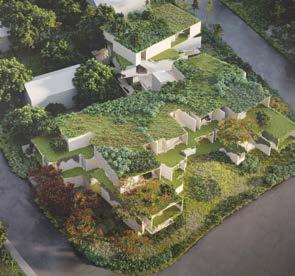
While Binghatti emphasizes architectural innovation, Diamond Developers focuses on community-level sustainability. Their flagship project, The Sustainable City, is globally recognized as a model for green urban living. Completed in phases, it combines residential villas, educational facilities, and recreational zones in a carbon-neutral framework.
The Sustainable City features 100% solar-powered homes, an integrated waste recycling system, and even car-free zones to minimize emissions. Residents rely on shared electric buggies and cycling lanes instead of private vehicles. Beyond energy and water efficiency, Diamond Developers emphasizes food security, with urban farming initiatives woven into the community design.
This holistic approach has won international recognition and proved commercially viable. The Sustainable City reached 95% occupancy within two years of completion, demonstrating strong demand for environmentally focused lifestyles. Diamond Developers continues to replicate this model across new projects, solidifying its role as a pioneer in community-scale green construction.

Mir Green Buildings: A European Partnership With Carbon-Neutral Goals
MIR Green Buildings, a collaboration between UAE investors and Italy’s MIR Group, specializes in carbon-neutral building technologies. The company stands out for bringing European design principles and advanced materials to Dubai’s sustainability drive.
MIR’s portfolio focuses on photovoltaic facades, high-performance insulation, and modular construction techniques that reduce both embodied and operational carbon. By using prefabricated components, projects minimize waste during construction and shorten timelines, lowering energy intensity.
What distinguishes MIR is its consultancy arm, which advises developers and contractors on achieving LEED, WELL, and Estidama Pearl certifications. This makes the firm not just a builder but a knowledge hub, advancing the city’s broader green construction expertise. Their contribution ensures that sustainability in Dubai is not limited to iconic developments but embedded into everyday building practices.
Al Naboodah Construction Group: Mainstreaming Sustainability At Scale
As one of Dubai’s oldest and most respected construction conglomerates, the Al Naboodah Construction Group (ANCG) brings size and influence to the sustainability movement. With nearly 10,000 employees across the UAE, ANCG integrates eco-conscious practices across a wide range of projects, from infrastructure to commercial developments.
Sustainability is woven into their operations through recycling initiatives, sustainable procurement policies, and energy-efficient site management. ANCG also works closely with regulators to ensure compliance with Dubai’s Green Building Regulations and frequently exceeds baseline requirements by incorporating advanced systems into their builds.
Their influence is particularly important because of their role in infrastructure development, where sustainable practices at scale directly reduce Dubai’s overall environmental footprint. ANCG’s strategy demonstrates how legacy firms can adapt to global environmental expectations while continuing to deliver on the city’s ambitious growth targets.
Sobha Realty: Luxury With A Green Edge
Known for its luxury master-planned communities, Sobha Realty has increasingly aligned its developments with green building principles. In projects like Sobha Hartland, located in the Mohammed bin Rashid Al Maktoum City, sustainability is evident through vast green spaces, eco-friendly landscaping, and energy-efficient housing units.
Sobha Realty uses low-VOC paints, recycled materials, and efficient HVAC systems across its portfolio. The company has also invested in wastewater treatment and reuse systems within its communities, ensuring reduced strain on Dubai’s resources.
What makes Sobha notable is its ability to market sustainability not as an alternative to luxury but as a defining feature of it. This approach appeals to a new wave of global investors who see green credentials as a marker of premium quality, aligning financial value with environmental responsibility.

Wrapping Up
Dubai’s construction industry has entered a new era. The city that once dazzled the world with record-breaking skyscrapers is now setting new standards in green building innovation. Developers like Binghatti are redefining architecture through energy-efficient designs, Diamond Developers are building carbon-neutral communities, MIR Green Buildings are transferring global expertise into local solutions, Al Naboodah Construction Group is embedding sustainability at scale, and Sobha Realty is proving that luxury and sustainability can coexist seamlessly.