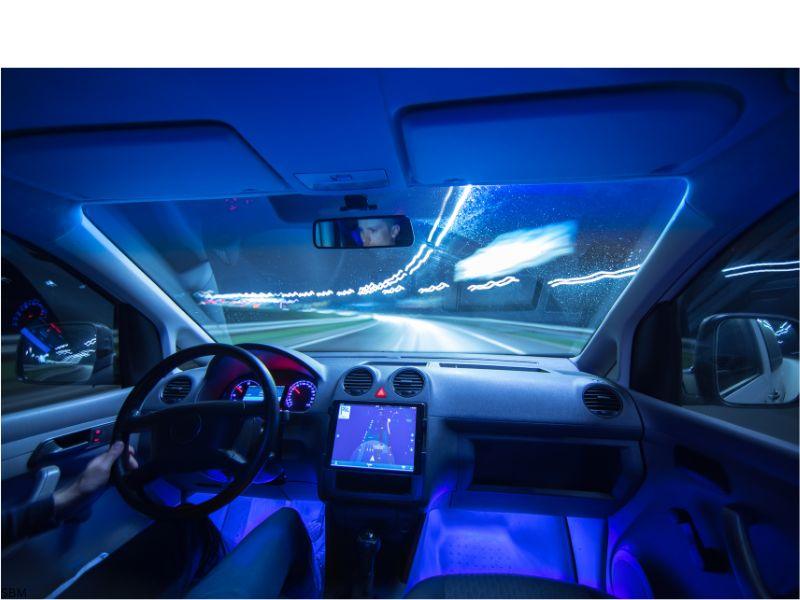
Tesla’s ambitious Robotaxi plan is set to reshape the transportation landscape, bringing both excitement and challenges to San Francisco’s regulatory framework. As this innovative autonomous vehicle service promises to revolutionize urban mobility, local regulators are tasked with balancing technological advancement with safety, privacy, and infrastructure readiness.
The integration of these self-driving taxis could significantly impact traffic patterns, city planning, and environmental goals. This dynamic conversation between innovation and regulation will determine how Tesla’s Robotaxi will navigate the complex urban grid of San Francisco, setting a precedent for cities worldwide.

The Vision Behind Tesla’s Robotaxi Plan
Tesla’s initiative to introduce a fleet of robotaxis isn’t just a leap in automotive technology, but a strategic maneuver poised to redefine urban mobility. Under Elon Musk’s visionary leadership, this plan aims to address pressing transportation needs in bustling cities like San Francisco.
Pioneering a shift from personal vehicle dependency to shared autonomous transport, Tesla seeks to ease urban congestion and reduce emissions. By seamlessly blending cutting-edge technology with practical urban solutions, Tesla’s robotaxi plan promises not only to transform daily commutes but also to set a precedent for sustainable city living.
Elon Musk’s Strategic Blueprint
Elon Musk’s visionary approach to transportation has always been centered on innovation and sustainability, and the Tesla robotaxi plan is a testament to this strategic vision. Musk envisions a future where transportation is autonomous, sustainable, and efficient, aims that align with his broader goal of reducing congestion and minimizing environmental impact.
His blueprint for the Tesla robotaxi highlights a commitment to integrating these autonomous vehicles into urban environments as seamlessly as possible. This strategy is centered around harnessing Tesla’s existing strengths, such as its robust electric vehicle technology and advanced Autopilot capabilities, to create an autonomous network capable of transforming urban mobility.
The Tesla robotaxi initiative is marked by strategic partnerships and collaborations, demonstrating Musk’s understanding that revolutionizing urban transportation requires a holistic approach. By collaborating with city regulators, understanding public needs, and navigating legal frameworks, Musk seeks to ensure that the robotaxi plans are not only technologically feasible but also socially and economically viable.
The robotaxi network is designed to operate using a combination of advanced sensors, precise mapping technology, and continuous software updates, all of which are key components in navigating the complexities of urban environments.
Ultimately, Musk’s strategy is not solely focused on deploying robotaxis but also on redefining how citizens interact with urban spaces. By offering a shared mobility solution, the Tesla robotaxi plan aims to reduce the number of cars on the road, thus decreasing congestion and emissions in densely populated areas.
This forms the core of Musk’s strategic vision, addressing urban transportation needs with a high-tech, eco-friendly solution that is poised to reshape the future of cities worldwide. With the Tesla robotaxi fleet, Musk is betting on the seamless integration of futuristic technology with everyday needs, all while maintaining a strong focus on both the environmental and social dimensions of urban mobility.
Addressing Urban Transportation Needs
Urban transportation in cities like San Francisco faces significant challenges, from congestion and pollution to inadequate public transit options. Tesla’s robotaxi plan tackles these issues head-on by offering an innovative solution that leverages autonomous vehicles to enhance urban mobility.
The introduction of Tesla’s robotaxi fleet is poised to provide a cleaner, more efficient alternative to traditional urban commuting methods, which often contribute to traffic and environmental issues.
Tesla’s approach to meeting urban transportation needs involves creating a flexible and scalable network of autonomous vehicles that can adapt to the dynamic demands of city life. The Tesla robotaxi is designed to improve accessibility and reduce reliance on personal vehicle ownership, which is a significant contributor to urban congestion.
By encouraging ride-sharing among users, the robotaxi fleet aims to maximize vehicle utilization while providing a convenient and reliable mobility service.
Central to addressing these urban needs is Tesla’s focus on integrating the robotaxi into existing public transport systems. By doing so, Tesla envisions a more cohesive and interconnected urban transit network that offers seamless travel experiences for city dwellers.
This integration involves working closely with local authorities and transportation agencies to ensure that the robotaxi fleet complements existing infrastructure rather than competes with it. Through strategic planning and public-private partnerships, Tesla strives to create a harmonious balance that meets the diverse mobility needs of urban residents.
Moreover, Tesla’s commitment to sustainability is reflected in its robotaxi plan, which prioritizes zero-emission electric vehicles as the backbone of the fleet. This not only contributes to improved air quality and reduced greenhouse gas emissions but also aligns with global sustainability goals.
As Tesla robotaxis become more prevalent on city streets, they serve as a catalyst for broader systemic changes in how cities approach urban transportation. Overall, Tesla’s robotaxi plan illustrates a comprehensive strategy aimed at enhancing urban mobility, reducing environmental impact, and creating smarter cities for a sustainable future.
Implementing Tesla’s robotaxi plan in urban environments can offer several potential benefits and outcomes:
- Reduced urban traffic congestion through increased ride-sharing.
- Lowered carbon emissions with zero-emission electric vehicles.
- Enhanced connectivity with existing public transportation systems.
- Increased accessibility for individuals without personal vehicles.
- Cost-effective transport option compared to traditional car ownership.
- Flexibility and convenience with on-demand autonomous fleet services.
- Support for local economies through job creation in tech and transportation sectors.
Together, these elements highlight the transformative potential of Tesla’s plan for urban transportation systems.

The Role of Tesla Cybercab in Autonomous Networks
Tesla Cybercabs, at the forefront of autonomous vehicle technology, are redefining transportation networks in urban environments. As part of Tesla’s strategic vision, these autonomous vehicles are set to transform how we navigate cities, emphasizing improved safety, efficiency, and sustainability.
This section delves into the innovations driving the leap in autonomous driving and explores the significant impact Tesla Cybercabs can have on reducing traffic congestion and emissions within cityscapes. By integrating seamlessly into existing systems, these autonomous marvels promise not only better mobility but also a greener and smarter urban future.
Innovations Pushing Autonomous Driving Forward
At the heart of Tesla Cybercab’s advancements lies a suite of autonomous innovations poised to revolutionize vehicular movement within cities. Full self-driving technology forms the backbone of these innovations, allowing Tesla’s autonomous vehicles to navigate complex urban environments with remarkable precision.
The integration of cutting-edge tech like machine learning algorithms and state-of-the-art sensors empowers these cars to process real-time data, enhancing decision-making and reducing the likelihood of accidents. Tesla’s network of autonomous vehicles communicates seamlessly, maintaining coordination and boosting overall road safety.
This interconnected system of cybercabs not only improves traffic flow but also optimizes the use of shared mobility solutions.
Another key innovation is the continuous software updates that Tesla vehicles receive, ensuring they are always equipped with the latest advancements in autonomous tech. These updates enhance full self-driving capabilities, addressing new challenges posed by dynamic urban conditions.
By evolving consistently, Tesla Cybercabs bring us closer to a future where autonomous networks become the standard for urban transportation. Furthermore, innovations in battery technology extend the operational range of these electric vehicles, reducing downtime for recharging and enhancing their utility within busy cityscapes.
Beyond technological enhancements, Tesla Cybercabs are designed with sustainability at their core. Their electric powertrains align with efforts to combat urban pollution, contributing significantly to emission reduction goals.
As more Cybercabs populate city streets, they collectively promote a decrease in dependence on fossil fuels, paving the way for a cleaner, more sustainable urban environment. With these advancements, Tesla Cybercabs are transforming traditional road networks into efficient and eco-friendly spaces, exemplifying the future of urban mobility through autonomous innovation and environmental stewardship.
Impact on Traffic and Emission Reduction in Cities
The integration of Tesla Cybercabs into urban transport networks holds immense potential for alleviating traffic congestion and reducing emissions. As autonomous vehicles become more prevalent, their ability to operate harmoniously within a network contributes to smoother traffic flow and more coordinated transport systems.
Tesla Cybercabs are engineered to minimize road obstructions by optimizing driving patterns and reducing unnecessary stops and starts. This efficiency not only decreases travel times but also lessens the stress on existing road infrastructure, thereby extending its longevity.
Moreover, the emission reduction impact of Tesla Cybercabs is noteworthy. Operating as fully electric vehicles, they produce zero tailpipe emissions, directly addressing the air quality concerns of densely populated urban centers.
By replacing traditional combustion engine vehicles with autonomous electric alternatives, Tesla contributes to a significant drop in harmful pollutants, aligning with global sustainability targets. This transition to electric autonomous vehicles serves as a catalyst for broader environmental change, encouraging the adoption of cleaner technologies across various sectors of industry and transport.
As Tesla Cybercabs integrate with public transport systems, they further enhance urban mobility by closing the last-mile gap. This comprehensive approach sees Cybercabs supporting existing networks rather than competing with them, ensuring a seamless travel experience.
By encouraging shared rides and reducing the overall number of vehicles on the road, these autonomous networks effectively diminish congestion and engender a more sustainable urban transport model.
Ultimately, the deployment of Tesla Cybercabs in urban centers exemplifies a transformative approach to city planning, where autonomous vehicle networks play a pivotal role in delivering environmental and mobility benefits. This shift not only facilitates the transition to smarter cities but also reflects a conscientious effort toward achieving sustainability in urban development.
As Tesla’s vision materializes, cities can anticipate not only an improvement in transport efficiency but also a marked advancement in their journey toward environmental resilience and reduced carbon footprints.

Regulatory Challenges in San Francisco
The introduction of Tesla’s robotaxi fleet in San Francisco presents a unique set of regulatory challenges. City regulators, already navigating the complexities of urban governance, are now tasked with redefining regulatory frameworks to accommodate autonomous vehicles.
These changes are essential to ensuring safety, compliance, and effective integration of new technology into existing systems. As Tesla advances its plans under Musk’s leadership, collaboration with local authorities becomes crucial.
Regulators will need to balance innovative potential against concerns surrounding public safety and infrastructure adaptation, posing a formidable task for those shaping San Francisco’s transportation future.
Key Concerns of Local Authorities
San Francisco’s local authorities are grappling with several major concerns as Tesla’s robotaxi plan gains traction. Safety remains paramount, with regulators focused on ensuring that autonomous vehicles can safely navigate the city’s complex streets.
Accidents involving autonomous vehicles, though limited, have highlighted the need for stringent safety protocols and emergency response systems. Local regulators are also concerned about the potential for increased congestion in certain areas.
While Tesla’s fleet aims to ease traffic in the long run, the immediate impact of deploying a large number of vehicles could threaten existing traffic equilibria, demanding a nuanced approach to traffic management. Moreover, concerns about data privacy and cybersecurity loom large.
Autonomous vehicles rely heavily on data for navigation and decision-making, raising questions about data protection and the potential for cyberattacks. Local authorities must consider how to safeguard the vast amounts of data generated and exchanged by these robotaxis while maintaining transparency and public trust.
Lastly, there is apprehension surrounding workforce displacement, as the rise of autonomous vehicles could impact jobs, particularly in traditional transport industries. Addressing these concerns requires collaboration between Tesla, policymakers, and labor representatives to ensure a just transition for affected workers.
At the intersection of all these issues is the challenge of creating robust, yet flexible, regulations that can evolve alongside technological advancements. Balancing innovation with public interest demands a forward-thinking regulatory framework that fosters an environment of trust and progress.
Consequently, local authorities are tasked with crafting legal pathways that enable Tesla’s vision while safeguarding the city’s economic and social fabric.
Potential Solutions for Compliance
In tackling the regulatory challenges posed by Tesla’s robotaxi plan, San Francisco is exploring potential solutions aimed at achieving compliance and fostering innovation. One approach emphasizes strengthening collaboration between Tesla and city regulators through the establishment of dedicated task forces.
These teams would work to address regulatory concerns in real-time, ensuring that legal frameworks evolve in tandem with technological progress. Regular workshops and dialogue sessions can facilitate mutual understanding, ultimately aiding in crafting effective policy measures that balance innovation with safety and public welfare.
To address safety concerns, Tesla and local regulators might implement a phased deployment of robotaxis. By starting with limited trials in selected areas, they can assess real-time performance in controlled environments.
This gradual integration allows for adjustments in response to actual traffic conditions and user feedback, ensuring the service aligns with urban infrastructure needs. Compliance solutions also extend to the development of comprehensive cybersecurity standards.
By working closely with tech experts, regulators can devise safeguards against data breaches and cyber threats, enhancing public confidence in autonomous systems. Moreover, to mitigate potential job losses, strategic workforce development programs are essential.
These initiatives could focus on transitioning affected workers into new tech-driven roles, providing training and upskilling opportunities. Engaging with unions and industry stakeholders can help design inclusive strategies that support equitable workforce evolution.
Additionally, public awareness campaigns may play a critical role in educating residents about the benefits and functionalities of autonomous transport. Increased transparency and community engagement can build trust and acceptance, fostering an inclusive environment as San Francisco adapts to this pioneering shift in urban mobility.
These potential solutions underscore a collaborative ethos, vital for navigating the regulatory landscape with Tesla. By proactively addressing challenges, San Francisco can leverage Tesla’s robotaxi initiative as a catalyst for broader urban innovation, positioning itself as a leader in the sustainable integration of autonomous vehicles into city life.
The Future of Robotaxi Service in Urban Mobility
The advent of Tesla’s robotaxi service marks a pivotal moment in the evolution of urban mobility. As these autonomous vehicles prepare to hit the streets, their integration into public transport systems presents both opportunities and challenges.
This development promises to redefine transportation, streamline traffic flow, and offer sustainable solutions. Central to this transformation is understanding how robotaxis can be seamlessly woven into existing urban transport frameworks.
Such integration is crucial to harness the full potential of this technology for a more efficient and environmentally friendly urban future.
| Integration Strategies | Technological Advancements | Collaborative Efforts | Environmental Impact |
| Seamless integration with public transit systems | Advancements in autonomous driving technology | Partnerships with local governments and tech firms | Reduction in urban carbon emissions |
| Flexible pricing models for diverse demographics | Improved vehicle-to-infrastructure communication | Collaboration with city planners for optimal routes | Decrease in reliance on fossil fuel-driven vehicles |
| Mapping and data-sharing for real-time operations | Enhanced safety and sensor systems | Joint R&D initiatives for sustainable solutions | Promotion of electric-powered fleets |
The table outlines how robotaxi services can integrate into urban mobility by aligning with public and private entities to foster technological growth and address environmental challenges.
Ultimately, this transformation will help cities become smarter and more sustainable ecosystems.

Integrating Robotaxis into Public Transport Systems
The integration of robotaxis into existing public transport systems is a multifaceted endeavor that could significantly enhance urban mobility while addressing congestion and environmental concerns. A key aspect of this process is ensuring that robotaxis complement rather than compete with traditional modes of public transportation.
By strategically aligning routes and schedules with conventional transit services, robotaxis can offer first and last-mile solutions, thereby increasing the overall efficiency and coverage of urban transport networks. This synergy is crucial for creating a cohesive system where robotaxi service fills in gaps that current public transit infrastructure leaves, ensuring a comprehensive urban mobility solution that caters to diverse commuter needs.
Data plays a critical role in realizing this integration. By leveraging advanced data analytics and machine learning, Tesla can optimize robotaxis’ deployment within urban environments.
Data-driven insights into traffic patterns, peak travel times, and commuter behavior enable more efficient resource allocation, ensuring that robotaxis are available where they are needed most. These insights foster a dynamic mobility model that can be adapted in real time, improving service reliability and user satisfaction.
Additionally, integrating robotaxis into public transport systems necessitates collaboration with city planners and policymakers. Close cooperation is vital to developing a regulatory framework that supports the safe and effective operation of robotaxis alongside existing public services.
Policymakers must address concerns like street congestion and safety by establishing clear guidelines and policies. In this collaborative environment, Tesla can work with transport authorities to trial innovative technologies and operational models, paving the way for seamless integration.
Sustainability is another crucial consideration. As Tesla commits to an electric-only fleet, its robotaxis have the potential to significantly reduce the carbon footprint of urban transportation.
By replacing traditional vehicles powered by fossil fuels, robotaxis could serve as a clean transit alternative, contributing to cleaner air and reduced greenhouse gas emissions. Through these multifaceted and collaborative efforts, integrating robotaxis into public transport systems can redefine urban mobility, offering smart, sustainable solutions that cater to the evolving demands of modern cities.
With Tesla’s Robotaxi plan on the horizon, San Francisco regulators face the challenge of balancing technological advancement with public interest. Ensuring safety, addressing regulatory concerns, and considering the potential socio-economic impact will be crucial in this transition.
As autonomous vehicles gain traction, collaborative efforts between tech companies and policymakers will shape a transportation future that is sustainable and efficient. Open dialogue, transparent processes, and adaptive regulations will play key roles in successfully integrating this innovative technology, setting a precedent for cities globally.
San Francisco’s proactive engagement will be vital to navigating this transformative landscape.