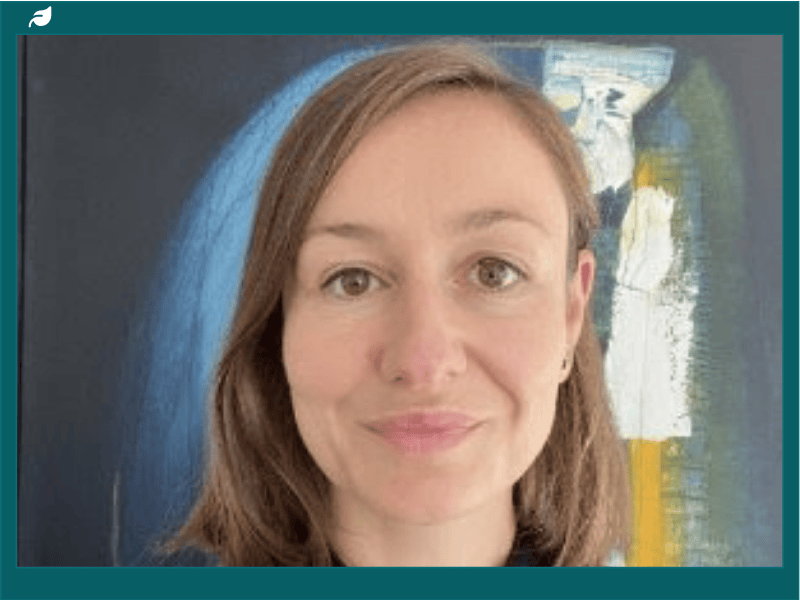
The World Cocoa Foundation has appointed Suzanne Blake as Head of Strategic Partnerships and Membership, strengthening its leadership team as the cocoa sector faces rising regulatory expectations, market volatility and increasing climate pressure.
Based in Washington D.C., the Foundation said the appointment comes at a pivotal moment for the global cocoa industry. Producers and companies are navigating tightening due diligence requirements, heightened scrutiny of supply chains and the growing physical impacts of climate change on cocoa-growing regions.
In her new role, Blake will lead engagement with WCF’s member companies and strategic partners. Her remit includes expanding and strengthening the Foundation’s membership community, aligning partners around shared sustainability priorities and supporting coordinated action on climate resilience, farmer livelihoods and forest protection.
She will also help shape WCF’s external positioning, working to translate sector-wide sustainability challenges into partnerships and initiatives designed to deliver measurable progress across cocoa landscapes.
The cocoa sector has come under increasing attention in recent years, particularly in West Africa where most of the world’s cocoa is produced. Regulatory developments such as mandatory human rights and environmental due diligence requirements in key consumer markets are raising expectations of supply chain transparency and environmental performance. At the same time, climate-related risks including drought, changing rainfall patterns and disease outbreaks continue to affect productivity and farmer incomes.
Blake brings more than 20 years of international experience across communications, sustainability strategy and climate finance. She has held senior leadership roles at Macmillan and Phaidon, as well as at global agencies including FutureBrand and SalterBaxter, where she led marketing, corporate communications and business development for cross-sector clients.
Most recently, she worked at climate and nature investment and advisory firm Pollination, where she led partnerships, marketing and industry engagement. In that role, she convened coalitions around nature-based and climate solutions at major international forums, bringing together corporates, investors and policy stakeholders.
She also serves as an adviser to the Nature Positive Landscapes Initiative on communications and partnership strategy. Blake holds an MA in History from the University of Edinburgh and a Certification in Sustainable Finance from the Cambridge Institute for Sustainability Leadership.
Commenting on her appointment, Suzanne Blake said: “Cocoa sits at the intersection of forest protection, farmer livelihoods and global supply chain resilience. At a time when expectations of the sector are rising, the opportunity is to turn shared ambition into practical, collective action. WCF has a unique convening role, and I look forward to working with members and partners to scale solutions that secure cocoa’s future.”
Dougal Freeman, WCF Vice President of Operations, said the appointment reflects the Foundation’s focus on strengthening collaboration across the value chain.
“Suzanne brings a rare blend of strategic corporate affairs expertise, sustainability leadership and coalition-building experience. As the sector faces heightened scrutiny and opportunity, her ability to align diverse stakeholders around shared priorities will strengthen WCF’s capacity to accelerate impact,” he said.
The World Cocoa Foundation is a membership organisation representing companies from across the cocoa and chocolate value chain. Its work focuses on improving farmer livelihoods, promoting forest protection and supporting climate resilience in cocoa-growing regions.
By reinforcing its partnerships function, WCF aims to deepen collaboration between industry, civil society, investors and landscape initiatives at a time when coordinated action is seen as central to meeting both regulatory requirements and long-term sustainability goals.