PepsiCo and Earthworm Foundation have expanded their regenerative agriculture collaboration across France, Spain and Türkiye, with more than 250 farmers now participating. The work includes RE’COL’TE, a €1.5 million initiative supporting 175 farmers in France’s Hauts-de-France region. The programmes combine financial support, technical guidance and locally tailored plans across different crop systems. They contribute to PepsiCo’s ambition to support regenerative, restorative and protective practices across 10 million acres globally by 2030, following 4.7 million acres achieved in 2025.
Support Across French Farms
RE’COL’TE brings public and private investment together around soil health and regenerative agriculture. Earthworm Foundation leads the initiative alongside PepsiCo, Nestlé, Tereos, cooperatives Agora and Unéal, grain trader Groupe Carré, and ADEME, France’s ecological transition agency.
The programme is intended to reduce financial and practical barriers that can delay the adoption of new farming methods. It also builds on Earthworm Foundation’s Sols Vivants, or Living Soils, initiative, connecting PepsiCo with rapeseed growers already using regenerative agriculture practices.
The established network gives participants access to local expertise and infrastructure, while extending learning across crop rotations and farming systems.
Paul Pontfort, farmer taking part in the programme in France, stated:
“As farmers, we must constantly strike the right balance between long-term investments and the day-to-day economic realities. Programs such as RE’COL’TE help us to reduce the risks associated with adopting new practices by providing financial and technical support. This gives us the confidence we need to take the leap and invest in the resilience of our farms for years to come.”
Farmer Input In Spain
In Spain, the collaboration has started with research into the practical and financial obstacles farmers face when considering regenerative practices. The assessment covers suppliers working with rapeseed, sunflower and corn, combining field visits with farmer interviews.
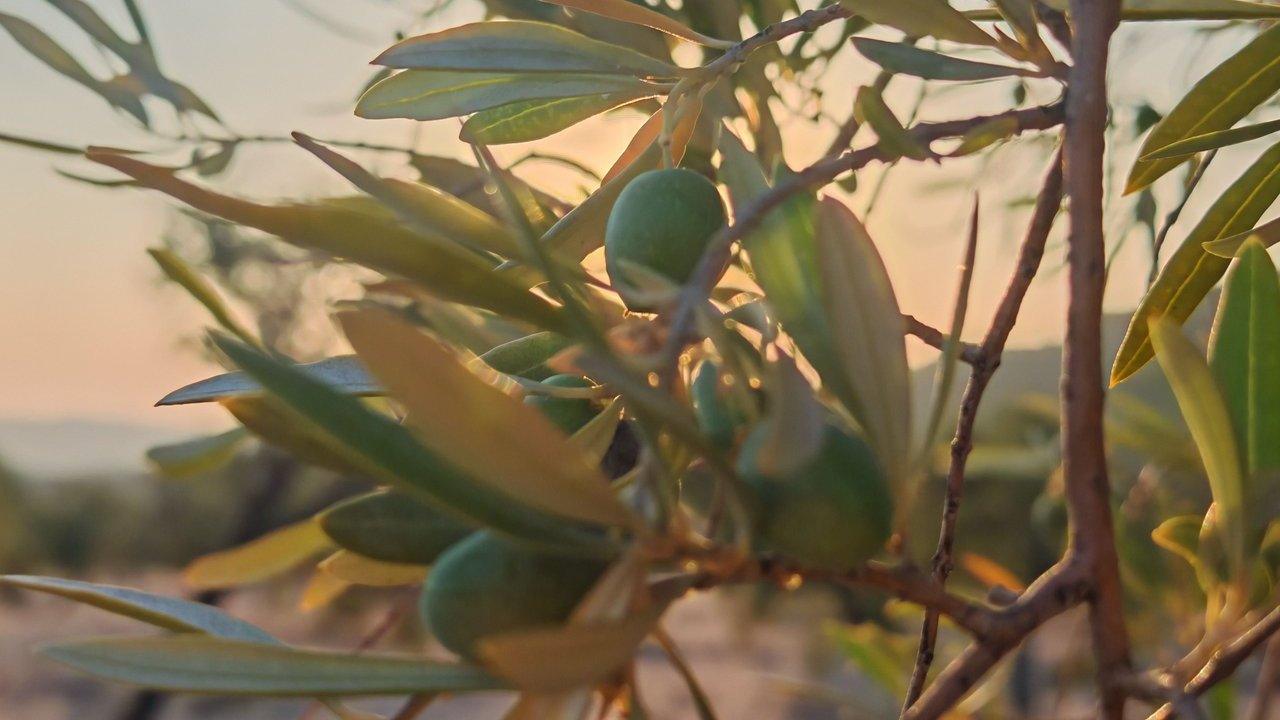
Those findings are being used to develop support that reflects the needs of particular crops and regions, rather than applying a single model. The approach places farmer and supplier input at the centre of programme development from the outset.
This local focus reflects the partnership’s wider view that progress depends on solutions suited to the conditions in which farmers operate. Across the three countries, the programmes bring together farmers, suppliers, cooperatives and local stakeholders while supporting the supply of ingredients used in brands including Lay’s and Doritos.
Practical Work In Türkiye
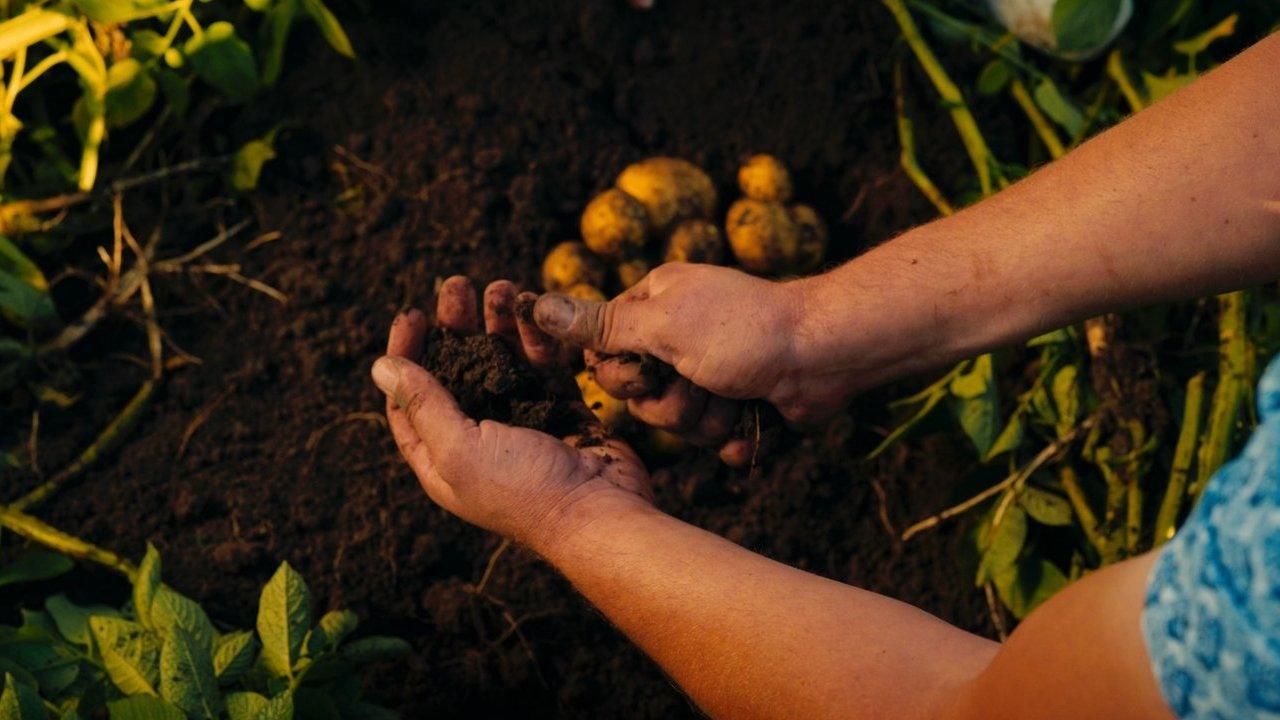
The programme in Türkiye works with sugar beet farmers through field visits, soil assessments, technical training and ongoing support. It currently covers around 480 hectares and continues to expand as farmers introduce and test practices in the field.
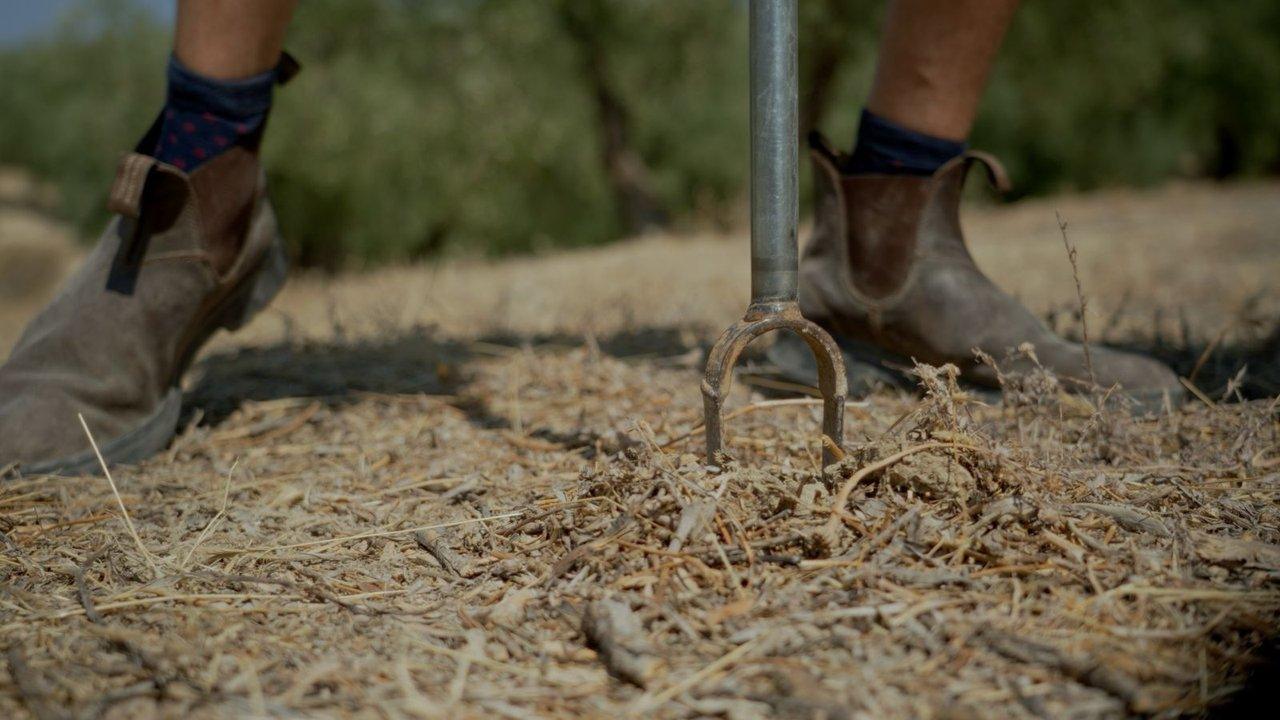
Its emphasis on hands-on implementation is designed to help growers apply regenerative practices that suit local growing conditions. This recognises that farm resilience and long-term productivity depend on decisions made at field level, supported by appropriate technical knowledge.
Archana Jagannathan, Chief Sustainability Officer, PepsiCo Europe, Middle East and Africa, stated:
“Agriculture is at the core of our business, and farmers are at the center of our efforts to help build a more resilient and sustainable food system. Their success is critical not only to the future of farming, but to the long-term security of the ingredients, communities, and ecosystems that food production depends on.”
The partnership’s country programmes differ in scale and crop focus, but share a commitment to practical support and shared learning. The work also seeks to strengthen agricultural communities alongside individual farms.
A Shared Route To Scale
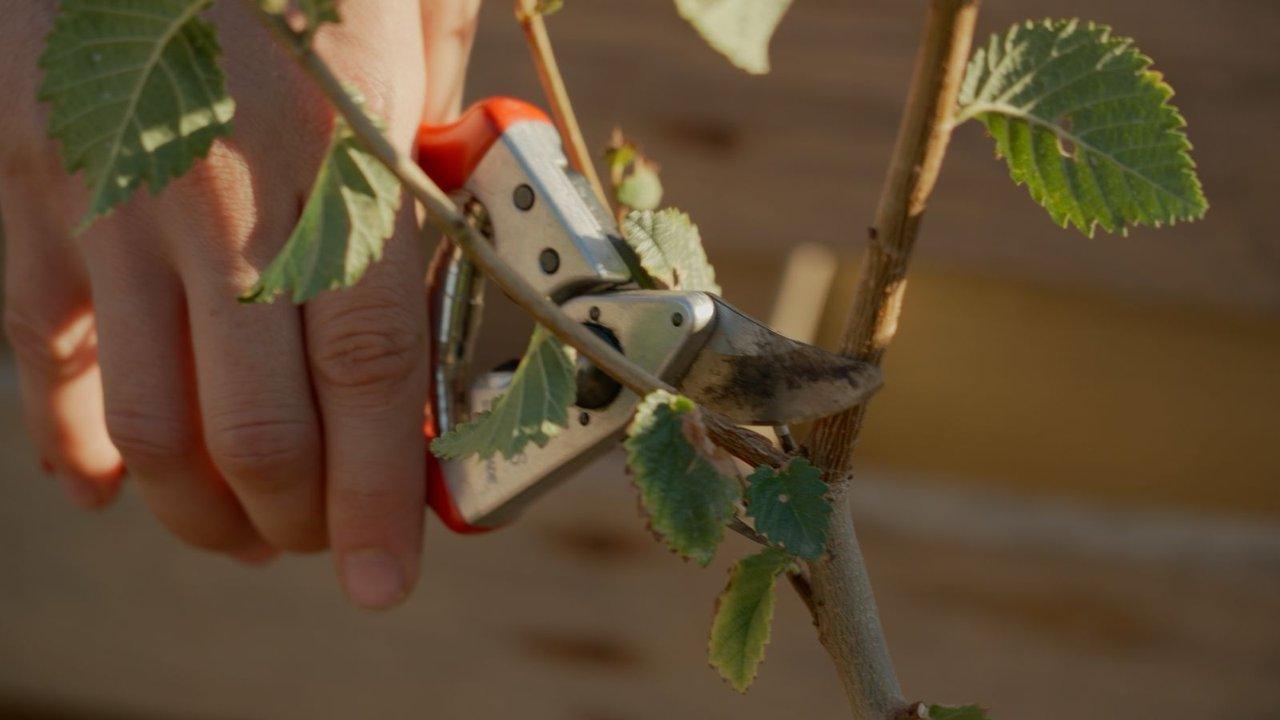
PepsiCo and Earthworm Foundation plan to continue expanding the work across Europe with farmers, suppliers and local partners. Their collaboration positions regenerative agriculture as a long-term effort requiring coordinated investment, agronomic expertise and farmer-led implementation.
Soil health is a central theme across the programmes, linking farm productivity with water, biodiversity and climate resilience. The France, Spain and Türkiye projects show how major food businesses can work with local farming networks while accounting for different agricultural realities.
Bastien Sachet, CEO, Earthworm Foundation, stated:
“Over the years, we’ve come to see soil for what it truly is: one of nature’s most valuable infrastructures. When soil is degraded, it doesn’t only put agriculture at risk; it affects water, biodiversity, climate resilience and, ultimately, society as a whole. Across France, Spain and Turkey, we’ve learned that there is no one-size-fits-all solution. By building programs around local realities and farmers’ needs, we can strengthen resilience and create lasting value for farming communities and the wider food system. But we cannot do it alone. Accelerating the transition to regenerative agriculture requires the entire ecosystem to move together, which is why it’s so encouraging to see companies such as PepsiCo investing in and supporting this transformation.”