Sanofi, UCB and Opella have joined AstraZeneca as founding members of the Clean Heat Program, a supply chain initiative from Secaro and ERM focused on industrial heat decarbonisation. The programme is designed to help pharmaceutical suppliers replace fossil fuel-based heating with lower-carbon alternatives while addressing technical, financial and engagement barriers. The expansion brings together companies with emissions-reduction targets extending to 2045 and 2050, alongside a shared focus on operational energy use across complex manufacturing networks. With healthcare responsible for approximately 5% of global greenhouse gas emissions, the collaboration places industrial heat squarely within the sector’s wider climate agenda.
A Shared Heat Challenge
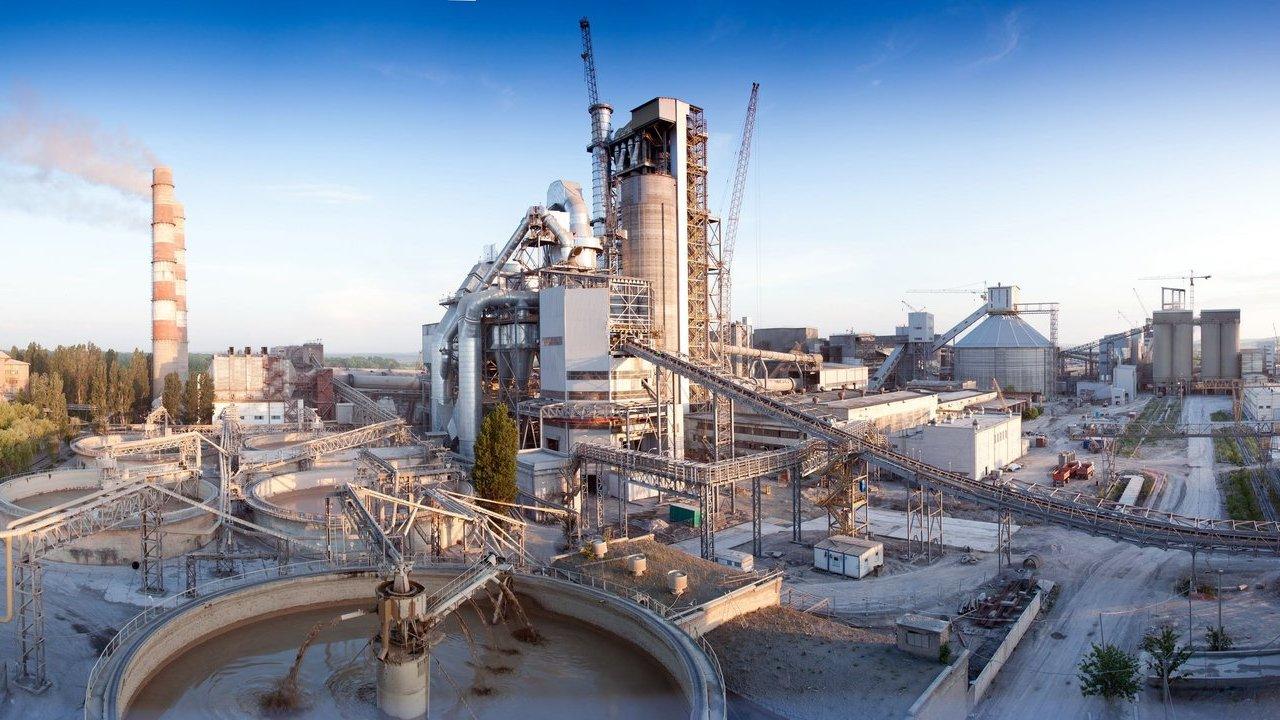
Industrial heat can represent one of the largest remaining sources of operational emissions in pharmaceutical manufacturing. Production sites must also maintain rigorous requirements for product quality, safety and reliability, making changes to energy systems a demanding undertaking for suppliers and manufacturers alike.
The Clean Heat Program brings participating businesses together with technical specialists and solution providers, aiming to reduce the cost and complexity of moving from fossil fuel-based systems to lower-carbon heat. Its stated focus includes limited in-house expertise, uneven supplier readiness, funding constraints and the practical challenge of upgrading existing heat infrastructure.
Sanofi has committed to reduce scope 1, 2 and 3 emissions by 90% between 2019 and 2045. UCB has committed to reduce absolute scope 1, 2 and 3 emissions by 90% by 2045 from a 2019 baseline, while neutralising remaining CO2e emissions. Opella’s targets include a 58.8% reduction in absolute emissions by 2034 and a 90% reduction by 2050 from a 2023 baseline, across scopes 1, 2 and 3.
All three companies’ near- and long-term targets have been validated by the Science Based Targets initiative. AstraZeneca joined the programme as a founding member in December 2025.
Collaboration For Suppliers
For pharmaceutical companies, the programme provides a collective route to engage suppliers on a technical area that can be difficult to address through individual procurement programmes. The model is intended to give suppliers access to practical support while enabling buyers to align around the requirements for cleaner industrial heat.
Giannis Kourousias, Sanofi Global Procurement Head – Environmental Responsibility, said:
“Heat has been one of the most challenging areas across the pharmaceutical value chain on the road to net zero, with high technical barrier, diverse supplier maturity and complex business cases”
Giannis Kourousias, Sanofi Global Procurement Head – Environmental Responsibility, said:
“By partnering with our peers, we can jointly develop solutions that will unblock suppliers in this critical area by providing deep technical expertise, support focusing on the right things and facilitate funding options.”
The initiative reflects a wider shift in corporate decarbonisation efforts from direct operational emissions towards the often more dispersed emissions associated with supply chains. In industrial settings, progress depends not only on selecting cleaner technologies, but on establishing workable business cases and identifying capital for system upgrades.
New Technical Partners
Secaro has signed new agreements with Schneider Electric and 3Degrees to expand the programme’s partner network. SE Advisory Services, Schneider Electric’s global consulting practice, will provide services including energy studies, investment-grade audits, metering gap analysis and energy management systems.
3Degrees brings expertise in renewable natural gas and biomethane procurement across US and European markets, covering both short- and long-term procurement. These additions broaden the technical and energy-market capabilities available to participating companies and their suppliers.

Dave Rimkus, Head of Global Supply Chain Decarbonization at SE Advisory Services, said:
“Accelerating supply chain decarbonization requires streamlining pathways to implementation to the lower carbon alternatives,”
Dave Rimkus, Head of Global Supply Chain Decarbonization at SE Advisory Services, said:
“Through initiatives like Energize, we have seen how collaboration can create these pathways to increase the uptake on renewable electricity adoption across value chains. We are excited to partner with Secaro and support the Clean Heat Program in bringing the same collaborative, action-oriented approach to one of the next frontiers of decarbonization: industrial heat.”
Business Case For Cleaner Heat
Alongside emissions reductions, the programme positions heat decarbonisation as an opportunity to improve operational resilience. Lower exposure to volatile fossil fuel prices and earlier preparation for future regulation could support the commercial case for suppliers considering investments in cleaner systems.
Emily Prior, Chief Growth Officer at Secaro, said:
“Reducing emissions across manufacturing, energy use and supply chains not only supports climate goals, but it also helps create a more sustainable and resilient healthcare system for future generations,”
Emily Prior, Chief Growth Officer at Secaro, said:
“All our members on this program have set aggressive scope 1 targets for their own sites and have ambitious scope 1 targets for their suppliers to reduce their carbon footprint and the program has been designed to help them achieve this. By decarbonizing heat in their supply chains, our members are also driving operational efficiencies, reducing reliance on volatile fossil fuel prices and preparing for future regulation. We look forward to working with Sanofi, UCB and Opella, and to welcoming businesses across other sectors.”
Scaling Supply Chain Action
The arrival of Sanofi, UCB and Opella gives the Clean Heat Program a stronger pharmaceutical base at a time when companies are seeking credible ways to translate long-term net zero commitments into supplier-level action. The programme’s emphasis on technical assistance, funding options and shared learning acknowledges that industrial heat is a particularly difficult emissions source to tackle.
Jon Hughes, Partner, Sustainable Products & Supply Chain at ERM, said:
“Achieving climate targets requires organisations to look beyond their own operations and address emissions across their value chains. For many manufacturers, decarbonising industrial heat represents one of the largest and most technically complex opportunities to reduce emissions. By bringing together leading companies, experienced technical specialists, funding options and proven clean heat solutions, the Clean Heat Program helps organisations overcome barriers to adoption and deliver measurable emissions reductions throughout their supply chains. The growing participation from leading pharmaceutical companies demonstrates the industry’s commitment to turning net zero ambitions into action.”
By concentrating on a common manufacturing challenge, the Clean Heat Program offers a constructive platform for pharmaceutical businesses to align supplier engagement with climate commitments. Its expanded membership and partner network signal an increasingly practical focus on the energy systems behind essential healthcare production.