Access to clean water is essential for human health, yet many people around the world still rely on contaminated water sources. Whether it’s for daily household use, emergency situations, or travel in remote regions, understanding different water purification methods can significantly reduce health risks from waterborne diseases, heavy metals, and other harmful substances.
In this guide, we’ll explore five effective water purification methods, comparing their benefits, limitations, and best use cases. These methods are crucial for ensuring water is safe for human consumption, especially when dealing with untreated water or in areas with unreliable water quality.

1. Boiling Water: The Simplest Purification Method
Boiling is often the first step people think of when it comes to water purification. It’s a physical process that uses heat to kill harmful microorganisms, making the water safe for drinking.
How It Works:
When water boils at 100°C (212°F), the high temperature destroys the cell walls of bacteria, viruses, and protozoa. This method is particularly useful in emergency situations or at high altitudes, where waterborne pathogens are a concern.
Pros:
- Kills most biological contaminants
- Doesn’t require special equipment
- Reliable during power outages if a heat source is available
Cons:
- Doesn’t remove heavy metals, organic matter, or chemical pollutants
- Time-consuming and energy-intensive
- Not ideal for large volumes of water
Best Use:
Rolling boil for at least one minute (three minutes at higher altitudes). This method is ideal for travelers, hikers, and during natural disasters.
Boiling Tips: Use a covered pot to prevent loss of water to evaporation and to help the water heat up faster. After boiling, let the water cool before transferring it to clean containers with secure lids to avoid recontamination. If the water appears cloudy, filter it first using a clean cloth, paper towel, or coffee filter to remove sediment.

2. Filtration Systems: Removing Particulates and More
Filtration is a common and versatile method of water purification. It uses physical barriers to remove contaminants from water. Various water filtration methods exist, ranging from simple coffee filters to advanced technologies like carbon filters, ceramic filters, and slow sand filters.
Types of Filters:
- Ceramic Filters: Useful for removing bacteria and protozoa.
- Carbon Filters: Excellent at removing chlorine, volatile organic compounds (VOCs), and improving taste.
- Slow Sand Filters: Effective at biological contaminant removal using biological processes.
- Rapid Sand Filters: Common in municipal water treatment plants.
Pros:
- Removes particulates, pathogens, and some chemicals
- Improves taste and clarity
- Available for individual households or large-scale use
Cons:
- Doesn’t kill pathogens unless combined with other methods
- Filter cartridges have an expiration date and require replacement
- Not all filters remove all contaminants (e.g., viruses or dissolved heavy metals)
Best Use:
Ideal for homes using tap water from questionable water supply sources, or for outdoor use where fresh water from surface water needs filtering.
Choosing a Filter: When selecting a filtration system, consider what you want to remove. A carbon filter is great for taste and smell, while a ceramic filter is better for biological contaminants. Many modern filtration systems combine multiple technologies to offer broader protection. For households using built-in refrigerator filtration, options like replacement RPWFE refrigerator filters provide convenient, effective protection by removing chlorine, particulates, and certain chemical contaminants. Some households also complement their filtration setup with mineral-rich options like Zazen alkaline water, which supports hydration and balances pH levels for overall wellness.
3. Reverse Osmosis Systems: High-Level Filtration
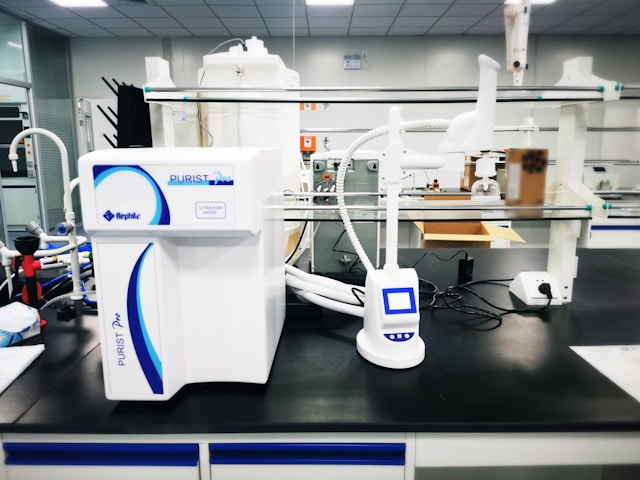
Reverse osmosis (RO) systems are advanced purification systems that use a semi-permeable membrane to remove a wide range of contaminants, including heavy metals, salts, bacteria, and even some viruses.
How It Works:
Water is pushed through a semipermeable membrane under pressure. The membrane allows water molecules to pass while blocking larger molecules like sodium, lead, and fluoride.
Pros:
- Removes most dangerous contaminants, including heavy metals and VOCs
- Produces very pure water
- Effective for hard water and industrial applications
Cons:
- Expensive and requires maintenance
- Wastes water during the filtration process
- Removes beneficial minerals
Best Use:
Perfect for areas with poor water quality or industrial pollution. Often used in individual households looking for the best way to ensure clean water.
Maintenance Tip: RO systems require regular maintenance to stay effective. Replace filters and membranes as recommended by the manufacturer, and clean the system periodically to prevent buildup that can affect performance.
4. UV Light Purification: Effective Against Microorganisms
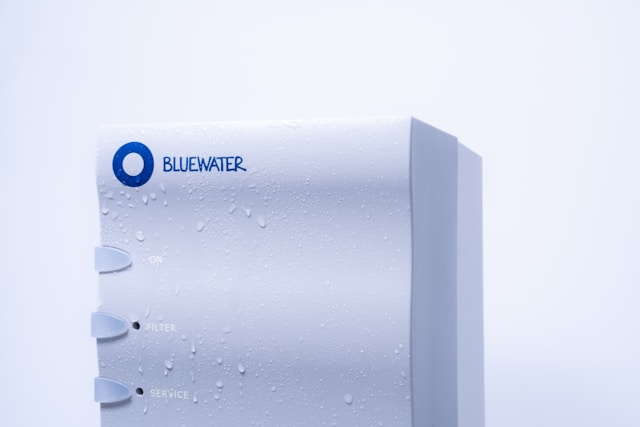
Ultraviolet (UV) light is an effective method for disinfecting water by targeting harmful pathogens without adding chemicals. UV purification systems are increasingly common in both public and private water systems.
How It Works:
UV light damages the DNA of bacteria, viruses, and protozoa, rendering them unable to reproduce. It does not alter the chemical composition of the water or affect its taste.
Pros:
- Chemical-free
- Fast and efficient
- Effective against most biological contaminants
Cons:
- Requires electricity or batteries
- Doesn’t remove heavy metals or organic materials
- Ineffective in cloudy or murky water (requires pre-filtration)
Best Use:
UV purification systems work well in combination with filtration methods. They are popular in both urban households and small-scale setups in remote areas.
Usage Note: UV systems work best with clear water. If your water has visible particles, use a pre-filter before UV treatment to ensure effectiveness. Also, replace the UV lamp annually or as directed.
5. Chemical Disinfection: Chlorine Dioxide and More
Chemical disinfection is a widely used method of purifying water, especially in emergency situations and municipal systems. Chlorine tablets, iodine, and chlorine dioxide are common agents.
How It Works:
Chemicals are added to water to kill harmful microorganisms. Chlorine dioxide is effective against bacteria, viruses, and protozoa, including disease-causing organisms like Giardia and Cryptosporidium. For those evaluating chlorine dioxide systems for industrial or municipal use, EAI Water provides detailed information on chlorine dioxide generator technologies.
Pros:
- Easy to carry and use
- Kills a wide range of pathogens
- Useful in emergency or travel situations
Cons:
- Leaves an aftertaste
- Doesn’t remove heavy metals or particulates
- Some people may have sensitivity to chemicals
Best Use:
Ideal for treating raw water during camping, travel, or emergencies. Can also be used as a secondary treatment after filtration.
Important Reminder: Always follow instructions when using chemical disinfectants. Use the correct dosage for the volume of water, and allow sufficient contact time (often 30 minutes) for full disinfection.
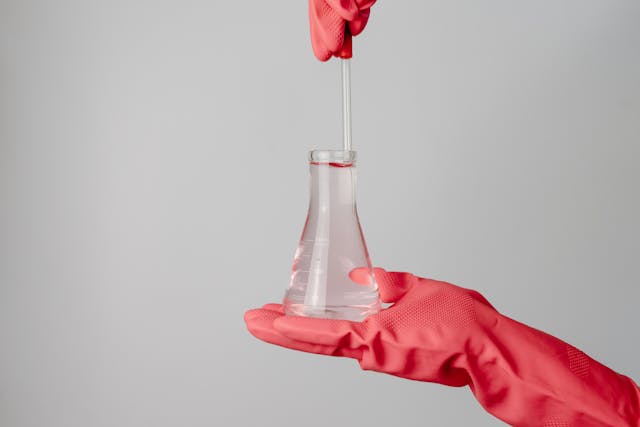
Bonus Method: Distillation
Distillation is another effective purification process that can be used to produce very pure water.
How It Works:
Water is heated until it becomes steam, which rises and leaves behind contaminants. The steam is then cooled and condensed back into liquid water.
Pros:
- Removes nearly all contaminants, including heavy metals and salts
- Kills all pathogens
- Produces high-quality, purified water
Cons:
- Slow process
- Requires significant energy or heat source
- Can be impractical for daily household use
Best Use:
Distillation is ideal for laboratory settings, survival situations, or for individuals who want the purest water possible.
Comparing Different Water Purification Methods
Each method has strengths and weaknesses depending on the water source and intended use. Here’s a quick comparison:
| Method | Kills Pathogens | Removes Chemicals | Removes Metals | Best For |
|---|---|---|---|---|
| Boiling | Yes | No | No | Emergency, Travel |
| Filtration | Some | Some | Some | Daily Use, Outdoor |
| Reverse Osmosis | Yes | Yes | Yes | Home, Industrial |
| UV Light | Yes | No | No | Urban, Remote |
| Chemical | Yes | No | No | Emergency, Backup |
| Distillation | Yes | Yes | Yes | Survival, Lab |
Choosing the Right Purification System for Your Needs
When selecting the best way to purify water, consider the following factors:
- Water Source: Is it tap water, surface water, or untreated water?
- Contaminants Present: Are you dealing with heavy metals, biological contaminants, or chemical pollutants?
- Use Case: Emergency, household, travel, or industrial?
- Budget and Maintenance: Can you afford advanced technologies like RO systems or UV purification?
- Portability: For camping or emergency kits, chemical tablets and portable filters are a good idea.
- Energy Requirements: Methods like boiling and distillation need heat, while UV and RO systems need electricity.
- Taste and Mineral Content: Some purification methods strip water of its natural minerals; others preserve them.
Tips for Storing Purified Water
Once your water is purified, storing it properly is critical to keep it safe:
- Use food-grade containers with tight lids
- Store in a cool, dark place
- Label containers with purification date
- Rotate stored water every six months
For added safety, sanitize containers before use by washing them with soapy water and rinsing with a solution of 1 teaspoon of unscented household bleach per quart of water.
Public Health and Global Access
The World Health Organization highlights the importance of safe drinking water for public health. In many parts of the world, access to potable water remains a challenge. Implementing various water purification methods can reduce the risk of waterborne diseases and improve quality of life.
Efforts are being made globally to introduce low-cost, scalable purification solutions for small-scale use and to ensure that even in regions with high altitudes or poor infrastructure, water is made safe for human consumption.
Non-profit organizations, governments, and private companies are increasingly investing in affordable filtration systems, UV units, and portable chemical kits to ensure that clean water reaches the most vulnerable populations. Education is also key—teaching people how to properly use purification methods and maintain hygiene around water sources significantly boosts public health outcomes.

Making Contaminated Water Drinkable
Regardless of the purification method, it’s essential to follow these guidelines:
- Always assess the clarity of the water (clear water is easier to purify)
- Use filtration as a first step to remove particulates
- Use heat, UV radiation, or chemicals to kill pathogens
- Store purified water in clean containers
- Regularly check your purification system’s expiration date or maintenance schedule
- Combine purification methods when needed for added safety
Contaminated water may contain harmful microorganisms, heavy metals, and organic pollutants that pose serious health risks, including diarrhea, hepatitis, and thyroid problems. Taking the time to purify water correctly can prevent long-term illness and even save lives.
Final Thoughts: Safe Water Starts with the Right Method
Purifying water is more than just a precaution; it’s a necessity in many parts of the world. By understanding the most effective water purification methods—boiling, filtration, reverse osmosis, UV light, chemical disinfection, and distillation—you can make informed decisions about how to protect yourself and your family from harmful microorganisms and other health risks.
Whether you’re using a water filter in your kitchen, a UV light system in your rural home, or chlorine tablets while hiking in the wilderness, making your water safe is always a good idea. Even in places with municipal water treatment plants, additional purification at the point of use can help remove contaminants introduced by aging pipes or other infrastructure issues.
Clean, safe water is a cornerstone of public health. Taking charge of your water quality not only helps you stay healthy but also empowers you to respond confidently in any situation, from backpacking in the mountains to facing a natural disaster.
Stay safe, stay hydrated, and choose the water purification process that fits your needs.