Ensuring a safe and reliable source of drinking water is one of the most important considerations for anyone spending extended time at sea. Whether cruising along coastal waters or navigating international waters far from the mainland, access to potable water becomes a crucial issue. A salt water purifier for boats provides a dependable solution, transforming seawater into pure water that is safe for drinking, cooking, and other onboard uses.
Modern marine water purifiers use advanced technologies such as reverse osmosis membranes, UV light, and carbon filters to eliminate heavy metals, microorganisms, and excess salt content. These systems are designed to be compact, efficient, and capable of producing great-tasting water even from large quantities of sea water. Choosing the right system requires understanding the core technologies, specific use cases, and key features that distinguish high-performance purifiers.

What Is a Salt Water Purifier for Boats?
A salt water purifier for boats is a specialized filtration system designed to convert seawater into drinkable water. Unlike standard water filters used in homes, these systems must handle the high salinity and microbial content of open-ocean water. The primary technology used in most of these systems is seawater reverse osmosis, where semipermeable membranes force water through at high pressure, leaving behind salt and impurities.
Complementary systems such as UV lamps, carbon filters, and inline UV stages are often included to further improve water quality, ensuring that bacteria, viruses, and mineral contaminants are removed or neutralized. These systems are engineered specifically for marine use and are built to withstand harsh sea conditions.
Why Choose a Salt Water Purifier for Boats?
1. Unlimited Fresh Water from Seawater
With a high-quality purifier, boaters can rely on the surrounding sea water as their primary water source, reducing or even eliminating the need for storage tanks full of bottled water or cases of water. This means more storage space onboard and less dependency on port facilities.
2. Safer Than Hauling Bottled Water
Bottled water can become contaminated if not stored correctly. Additionally, it’s costly, takes up valuable space, and adds plastic waste to the environment. Salt water purifiers provide clean water on demand without relying on external suppliers.
3. Healthier and Better Tasting
Modern systems remove not just salt but also microorganisms, sediments, heavy metals, and even unpleasant tastes or odors. Some purifiers reintroduce healthy mineral alkaline water to create a more natural and great-tasting water profile, making it ideal as cooking water and for drinking.
4. Independence in Remote Areas
If you’re voyaging through South Georgia & South Sandwich Islands, St. Barthélemy, or other remote places like Sierra Leone, French Polynesia, or Papua New Guinea, a salt water purifier offers peace of mind. Access to pure water is guaranteed, regardless of where your boat takes you.

Types of Salt Water Purifiers for Boats
Reverse Osmosis (RO) Systems
The gold standard in marine purification, RO systems use reverse osmosis membranes to remove up to 99% of salts, contaminants, and pathogens. These systems usually require high pressure, which means they are powered by electric pumps and are often integrated into the boat’s water system. Brands like Seawater Pro specialize in marine-grade RO units.
- Pros: Extremely effective, high capacity, long lifespan
- Cons: More expensive, needs electrical power and maintenance
Ultra-Filtration (UF) Systems
UF systems use a membrane with larger pores than RO systems and are better suited for boats in coastal waters or with access to soft water sources like mountain streams. They can remove bacteria and sediments but may not be suitable for full salt removal.
- Pros: Lower cost, no need for electrical pressure pumps
- Cons: Not suitable for full desalination
UV Purification
UV light systems are often used in conjunction with other filters. While they don’t remove salts or particles, they are highly effective at destroying bacteria and viruses, ensuring the water is biologically safe.
- Pros: Chemical-free, highly effective
- Cons: Needs clean pre-filtered water to be effective
Key Features to Look for in a Marine Water Purifier
1. Flow Rate
Measured in gallons or liters per hour, the flow rate determines how quickly the system can produce drinkable water. For long voyages or boats with multiple passengers, a high flow rate ensures you don’t run low on supply.
2. Power Source
Most RO membrane systems require a power source to operate the pressure pump. Options include AC or DC electrical setups. Some portable watermakers even offer manual operation for emergencies.
3. Size and Installation
A compact footprint is critical for smaller vessels. Look for systems with flexible installation options that can fit under a holding tank or inside an engine compartment.
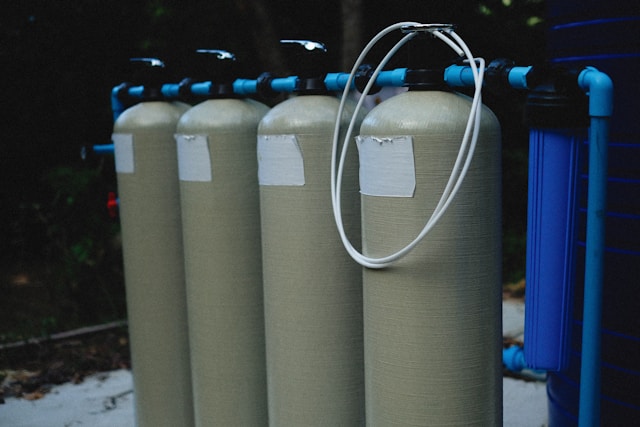
4. Filtration Stages
Multiple filtration stages, including carbon filters, UF membranes, and UV lamps, provide better water quality. Some systems also have mineralization stages to improve water taste and pH balance.
5. Durability in Salt Environments
Systems built with stainless water filters and corrosion-resistant parts last longer in marine conditions. Brands like Mineral Pro and Stain-less Water Filters offer models specifically for long-term marine use.
Recommended Salt Water Purifier Brands for Boats
Seawater Pro
Highly regarded for its durability and performance, Seawater Pro produces high quality RO systems that are customizable and built for serious sailors. Their systems are modular, which allows easy upgrades and replacements.
Mineral Pro
Known for both great-tasting water and exceptional water quality, Mineral Pro combines RO purification with remineralization stages. Ideal for those wanting healthy mineral alkaline water while on board.
Spectra Watermakers
Used on boats sailing through remote regions like the British Virgin Islands or St. Kitts & Nevis, Spectra systems offer efficient energy usage and excellent filtration with low maintenance needs.
Rainman Watermakers
A popular choice for portable watermakers, Rainman units are compact, easy to operate, and can deliver up to 140 liters per hour. Perfect for sailing in regions like New Zealand, Cape Verde, or Costa Rica where long passages are common.
Use Cases: Who Needs a Marine Water Purifier?
- Liveaboard Cruisers: Relying on the ocean as your water source frees you from dependency on dockside supplies or bottled water.
- Fishing Boats & Charters: Ensure guests always have access to pure water for drinking, cooking, and cleaning.
- Off-Grid Explorers: Those voyaging to equatorial regions like São Tomé & Príncipe or Ascension Island benefit from onboard water treatment systems due to limited infrastructure.
- Luxury Yachts: Enhanced water taste and safety are expected in high-end marine setups.
How to Maintain a Salt Water Purifier on a Boat
Maintenance is crucial to ensure your marine water system continues producing safe water efficiently. Key steps include:
- Flushing the system after every use to remove salt buildup.
- Changing filters and membranes as recommended by the manufacturer.
- Checking UV lamps regularly to ensure microbial protection.
- Monitoring flow rate to catch any drop in efficiency early.
- Cleaning and sanitizing the system, especially before and after long-term storage.
Carrying spare filters, cleaning solutions, and tools onboard is advisable, especially for extended voyages to remote regions like South Sudan, French Guiana, or Western Sahara.
Comparing Marine RO Systems to Bottled Water and Tank Storage
| Feature | RO Purifier | Bottled Water | Water Tank Storage |
|---|---|---|---|
| Water Quality | Very high | Variable | Depends on source |
| Cost Over Time | Economical | Expensive | Moderate |
| Environmental Impact | Low | High (plastic waste) | Low |
| Storage Space Required | Minimal | High | High |
| Convenience | On-demand production | Must restock | Limited to tank size |
| Maintenance Needed | Moderate | None | Low |
Final Tips for Selecting the Best System
- Do extensive research to match your boat’s size, typical route, and crew needs.
- Consider a combination system: RO for desalination, UV light for disinfection, and carbon filters for taste and odor.
- Prioritize build quality and marine-grade materials like stainless steel.
- Choose a system with global support if you sail across regions such as the United Arab Emirates, Hong Kong SAR, or Sri Lanka.
A reliable salt water purifier for boats is not just a convenience—it’s a critical investment in safety, self-sufficiency, and sustainability on the open sea. From compact portable watermakers to high-performance RO systems, the right equipment ensures you’ll always have access to fresh water, no matter how far you are from shore.