Every business that relies on water as part of its operation-from water stores and apartment buildings to industrial bottling plants and food production facilities-requires a dependable and efficient water purification system. A water purifier machine for business is no longer a luxury; it is a vital component in maintaining operational efficiency, ensuring customer satisfaction, and preserving product quality.
Modern commercial water filtration systems utilize advanced technologies such as carbon filters, reverse osmosis membranes, and ion exchange processes to remove contaminants like heavy metals, volatile organic compounds, and large particles from various water sources. The result is purified water that meets the stringent demands of industrial applications, healthcare settings, hospitality businesses, and other commercial sectors.
Why Water Quality Matters in Business
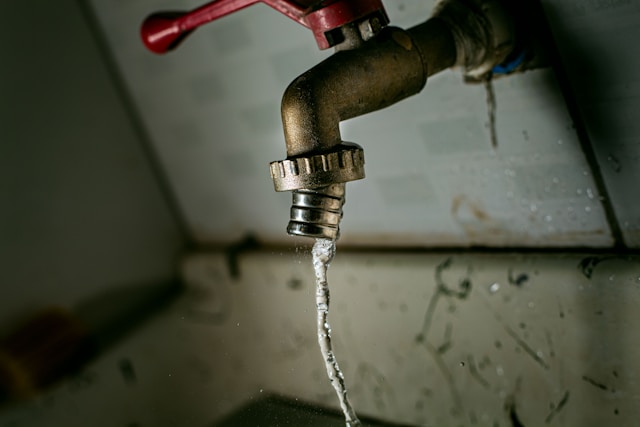
Clean water is fundamental to nearly every industry. For instance, food and beverage businesses depend on purified water to maintain hygiene and flavor consistency, while dental offices and clinics require water free of bacteria and impurities to ensure patient safety. Poor water quality can damage machinery, affect product integrity, and even pose serious health risks to employees and customers.
Heavy metals such as lead and mercury, as well as volatile organic compounds (VOCs), are among the most common pollutants found in untreated water sources. Ingesting or coming into contact with these contaminants can lead to a range of health problems and legal liabilities. Businesses must therefore invest in commercial water filters with a proven track record of dependability.
Key Components of a Commercial Water Purification System
A comprehensive water purifier machine for business typically includes several essential components designed to work in tandem:
- Carbon Filters: These filters are effective at removing chlorine, sediment, and volatile organic compounds, thereby improving taste and odor.
- Reverse Osmosis Membranes: Utilizing a semi-permeable membrane, reverse osmosis systems remove up to 99% of dissolved salts and impurities.
- Multi-Media Filters: Designed to remove large particles and sediments, these filters enhance the lifespan of other filtration components.
- water softeners: By reducing the presence of calcium and magnesium ions, water softeners prevent scale buildup in pipes and machines.
- Control Panels: These allow business owners to monitor system performance and adjust settings to suit specific operational needs.
- Filter Replacement Alerts: Smart systems now include features that notify users when such as filters need replacement, reducing maintenance requirements.
Industrial and Commercial Use Cases
Businesses across various industries are turning to industrial water filtration systems to improve efficiency and reduce costs. Water dispensers and bottling machines, for instance, rely heavily on consistent, high-quality water to avoid contamination and customer complaints.
In apartment buildings, a centralized commercial water purifier ensures residents receive top quality water throughout the complex. Similarly, water stores depend on these machines to fill jugs and bottles with purified water that rivals or surpasses bottled water in quality—without contributing to the environmental impact of single-use plastic bottles.
Benefits for Business Owners
Implementing a water purifier machine for business offers numerous advantages:
- Enhanced Product Quality: Whether you’re brewing coffee or producing packaged food, clean water directly contributes to better flavor and safety.
- Customer Satisfaction: Offering top quality water improves brand reputation and leads to repeat business.
- Operational Efficiency: Clean water extends the life of equipment and reduces downtime caused by clogs, scale, or corrosion.
- Cost Savings: With a reliable water supply, businesses can reduce reliance on bottled water and minimize maintenance costs.
- Environmental Responsibility: Reducing dependence on plastic bottles and inefficient water systems aligns with sustainable business practices.
Choosing the Right System
Selecting the best commercial water purifier depends on several factors, including your water source, daily consumption volume, and specific contaminants to be removed. It is important to evaluate systems based on their capacity, filtration stages, energy consumption, and maintenance requirements.
For businesses that handle high volumes, a commercial reverse osmosis system with stainless steel components is often the best choice. These units are durable, corrosion-resistant, and capable of producing large amounts of purified water suitable for industrial applications.

Considerations When Installing Water Purifier Machines
Installing a commercial water filtration system involves more than purchasing equipment. Businesses should:
- Conduct a water quality analysis to determine which contaminants are present.
- Ensure they have the necessary permits and meet local regulations.
- Develop a business plan that includes maintenance schedules, filter replacement timelines, and financial projections.
- Assess the available space and water lines to ensure compatibility with the new system.
- Train staff on how to operate and maintain the machine to ensure consistent output.
Technical Support and After-Sales Service
Reliable technical support is crucial when investing in water treatment machines. Look for vendors who offer installation services, routine maintenance, and on-demand customer support. Companies like Coster Engineering are known for their commitment to service and provide robust solutions tailored to each business’s needs.
Innovations and Marketing Strategies
As competition grows, businesses are differentiating themselves by promoting their use of high-quality water purification systems. Marketing strategies often include showcasing the benefits of purified water on product labels, emphasizing the absence of contaminants, and highlighting the environmental benefits of reduced plastic usage.
Water purifier machines are also a driving force behind new product lines in wellness and hospitality sectors. Spas and gyms now offer purified drinking stations, while cafes and restaurants use purified water for brewing and cooking. These efforts not only improve product quality but also appeal to eco-conscious and health-focused consumers.
Meeting the Needs of Potential Customers
Understanding your target market is essential. Businesses serving health-conscious individuals or environmentally aware customers will benefit from promoting their investment in commercial water purifier systems. The presence of purified water can serve as a unique selling point for many brands.
Moreover, companies offering water purification systems must cater to a variety of business structures—from sole proprietorships to large enterprises. Providing flexible solutions that scale with growth can make the difference between a one-time sale and a long-term partnership.
Applications in Shared Commercial Spaces
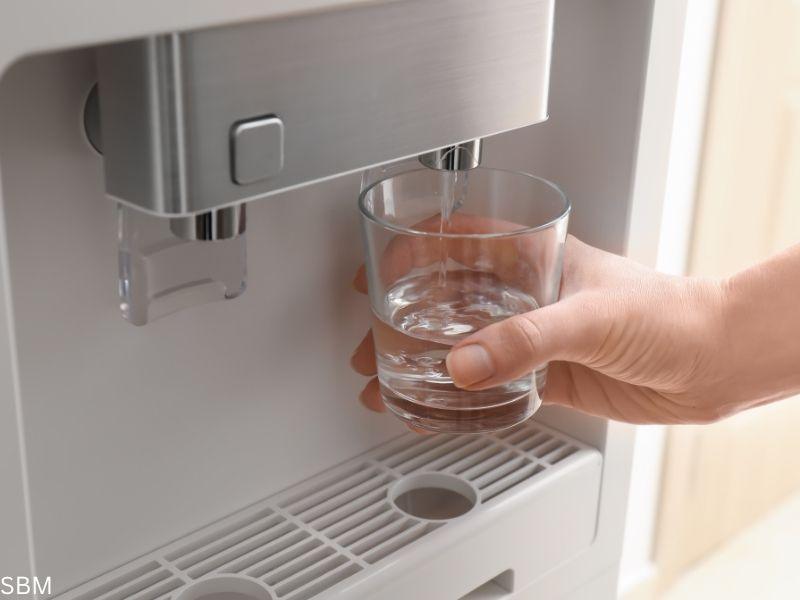
As urban populations grow, the demand for shared water purification systems in residential and commercial buildings is on the rise. Apartment buildings benefit from centralized water purification systems that deliver consistent, high-quality water to all residents. Similarly, office buildings equipped with purified water dispensers provide a healthier work environment, increasing employee satisfaction.
Maintaining Standards Through Clean Water Systems
Clean, high-quality water is a foundational element in building trust with consumers, improving product quality, and maintaining business efficiency. Investing in a commercial water purifier is not just a functional choice-it’s a strategic decision that touches every aspect of a company’s operations, from branding and sustainability to technical reliability and regulatory compliance.
Whether your business operates in manufacturing, food service, health care, or hospitality, a robust water purifier machine tailored to your specific needs will be a vital asset. With the right system in place, companies can meet stringent standards, protect their investments, and deliver pure water that reflects the values of quality and care.
By prioritizing clean water through industrial water purifiers, business owners not only optimize their operations but also contribute to a healthier, more sustainable future for their customers and communities.