The Sustainability Challenge in E-commerce Packaging
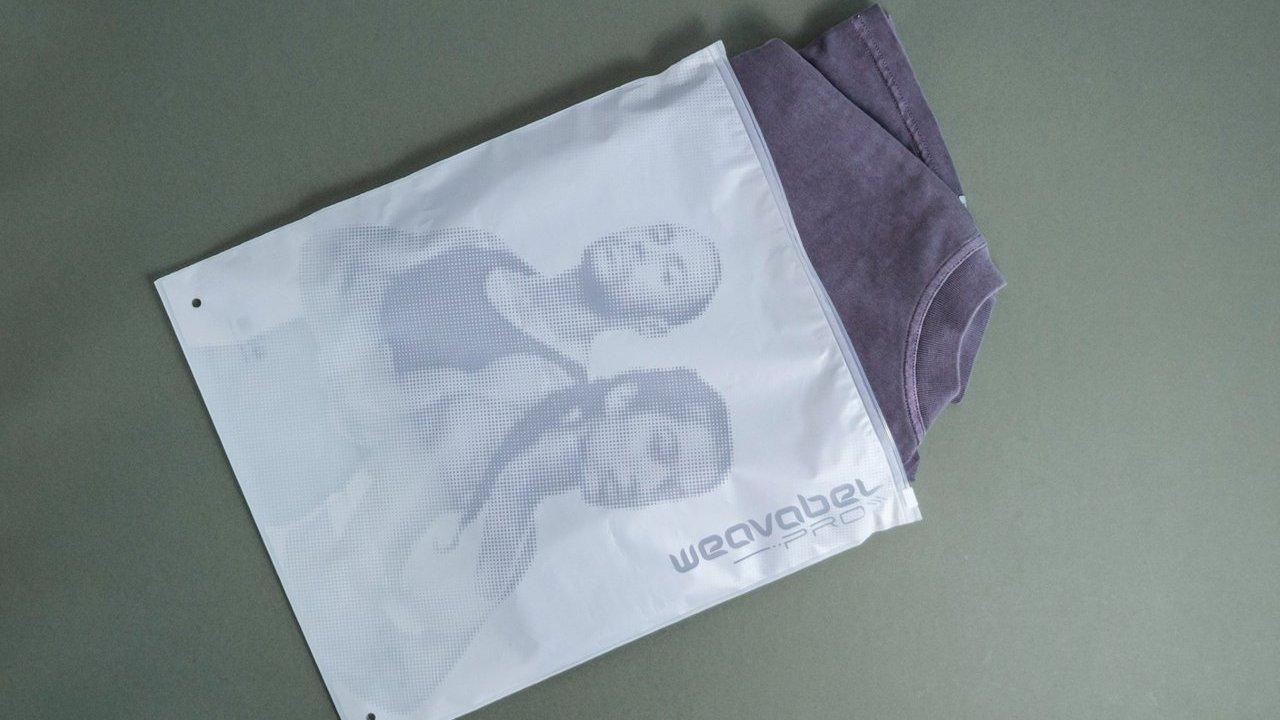
E-commerce has reshaped not only how products are sold, but how packaging enters the global waste stream. As online retail grows year after year, so does the volume of corrugated boxes, poly mailers, padded envelopes, and void fill landing in homes — and, ultimately, in recycling bins or landfills.
Packaging now represents a substantial portion of municipal solid waste. Even when materials are recyclable, recovery rates vary by region. Meanwhile, shipping inefficiencies — oversized cartons, excessive filler, mixed materials — increase transport emissions and carbon intensity per order.
For small brands entering online retail, packaging decisions have lifecycle consequences:
- Raw material extraction (virgin fibre, recycled pulp, plastics)
- Manufacturing energy and emissions
- Transportation weight and distance
- End-of-life outcomes (recyclability, compostability, landfill risk)
Corrugated fibreboard with high recycled content typically carries a lower carbon footprint than fossil-based plastics, especially when sourced from certified forests. However, heavier materials increase transport emissions. Compostable packaging only delivers environmental value when composting systems are accessible. Sustainability claims require scrutiny.
The challenge for small brands is clear: limited budgets, rising consumer expectations, and increasing environmental accountability — all converging at the shipping box.
What Small Brands Get Wrong
Early packaging decisions often prioritize appearance over systems thinking. Common mistakes include:
Overdesigning the Unboxing
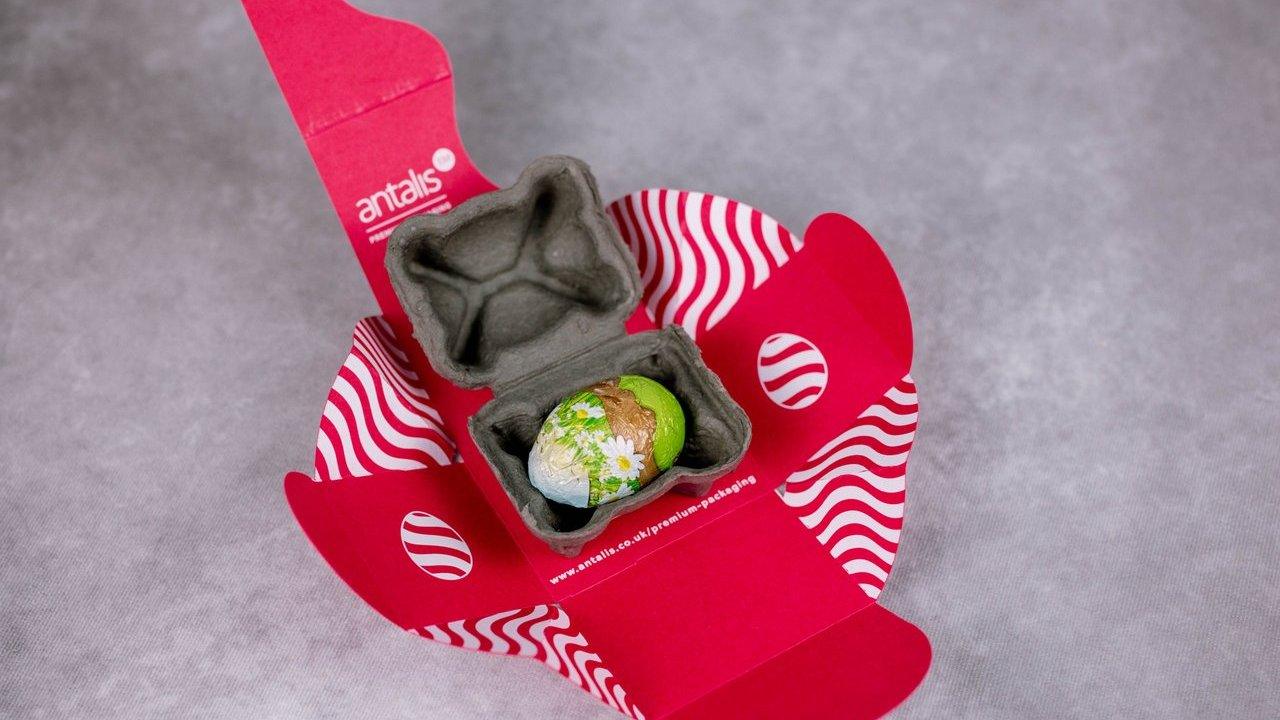
Layered tissue, laminated inserts, metallic foils, and mixed materials may create a premium feel but reduce recyclability and increase material use.
Ignoring Right-Sizing
Shipping oversized boxes filled with void-fill compounds increases material waste and dimensional weight charges. Across thousands of shipments, the carbon impact becomes significant.
Confusing “Recyclable” With “Sustainable”
If materials are technically recyclable but rarely processed locally, the environmental benefit diminishes.
Buying at the Wrong Scale
Large packaging orders to reduce unit cost can lead to obsolete stock if branding or demand changes.
Sustainable packaging begins with reduction. The most responsible solution is often the simplest one that protects the product effectively.
Circular Design Principles
Circular packaging design focuses on reducing lifecycle impact and improving material recovery.
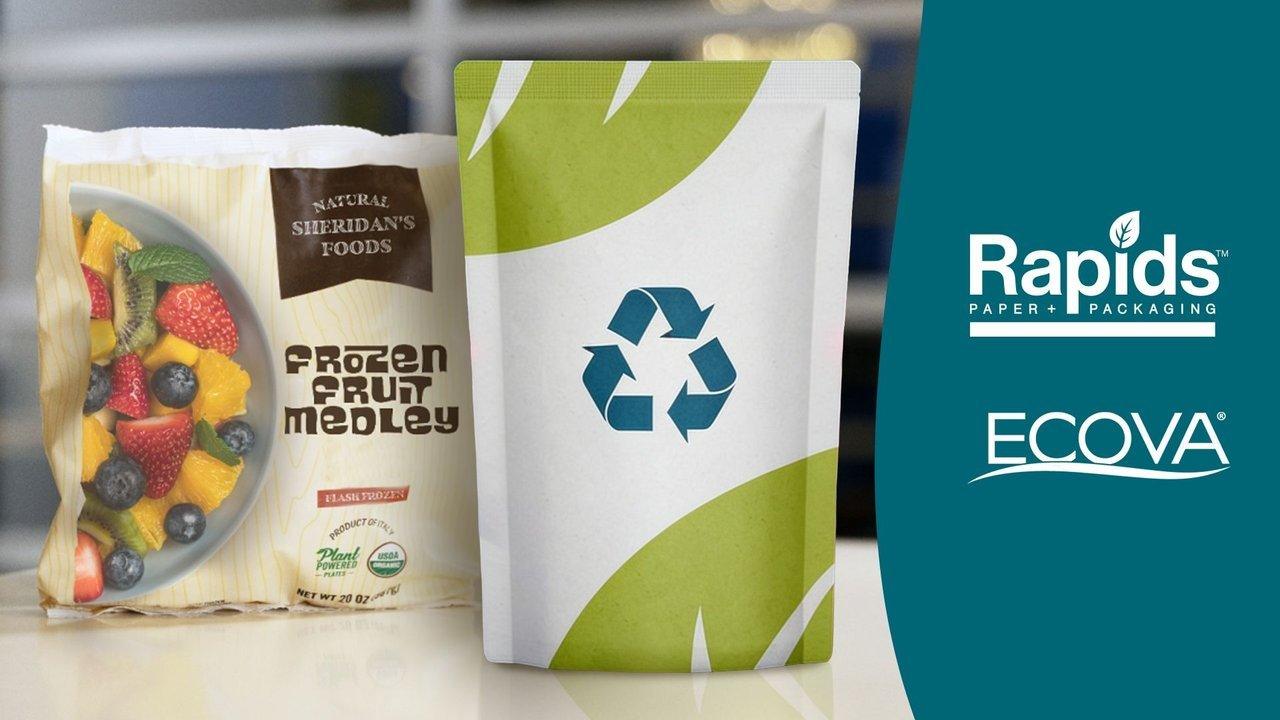
Design for mono-material recovery. Avoid plastic laminations and unnecessary coatings where possible.
Prioritize recycled and renewable inputs. FSC-certified fibre and high post-consumer recycled content reduce reliance on virgin extraction.
Right-size consistently. Smaller packages lower material consumption and transport emissions.
Minimize ink and finishing. Heavy ink coverage and specialty finishes can reduce fibre recovery.
Consider carbon footprint holistically. Material choice, weight, supply chain distance, and manufacturing processes all contribute to total impact.
Circularity does not eliminate branding — it aligns branding with material responsibility.
5 Sustainable Packaging Models Small Brands Should Consider
Below are five packaging supplier models, presented in listicle format, each representing a different approach to balancing scale, sustainability, and customization.
Arka – Low-Minimum Custom E-commerce Packaging
Founded in 2015 in San Francisco, Arka emerged to serve digital-native brands that need custom packaging without enterprise-level order volumes.
The company focuses on FSC-certified corrugated boxes, recycled mailers, and compostable options. Its online 3D design tool allows brands to visualize packaging before committing to production, supporting right-sizing and material optimization.
Sustainability Highlights
- FSC-certified materials
- Compostable and recycled mailer options
- Domestic production model emphasizing shorter supply chains
Best Fit For
Early-stage brands are testing packaging formats while maintaining control over recycled content and material transparency.
iPromo – Branded Merchandise for a Unified Brand Look
Trusted by more than 55,000 companies, iPromo has built its offering around custom promotional products and corporate gifts: the layer of brand identity that sits alongside packaging itself. For small brands entering online retail, the customer experience does not end at the shipping box; it extends to what arrives inside. The branded merch solution by iPromo lets brands create custom inserts, tote bags, apparel, and promo items to boost their identity without large inventory commitments.
Products can be ordered in flexible quantities, reducing the risk of obsolete stock, a material waste issue closely aligned with responsible purchasing practices. For brands already right-sizing their packaging, extending that same discipline to branded merchandise keeps overproduction in check across the full customer experience.
Sustainability Highlights
- Flexible low-volume ordering to minimize overproduction
- Wide range of reusable branded items that reduce single-use packaging reliance
- Consolidated sourcing for packaging-adjacent brand touchpoints
Best Fit For Small brands that want to extend their identity beyond the box itself, using branded merchandise to create a complete unboxing experience while keeping order volumes and material waste in check.
Vistaprint Packaging – Accessible Mass Customization
Vistaprint expanded from print products into custom packaging, offering shipping boxes, paperboard packaging, and mailers in small order quantities.
Its digital design interface lowers barriers for startups that lack in-house design teams. Corrugated packaging incorporates post-consumer recycled content, and recyclable paperboard formats are widely available.
Sustainability Highlights
- Recycled-content corrugated packaging
- Recyclable paperboard formats
- Low-volume ordering to reduce excess inventory
Best Fit For
Brands entering online retail that want branded packaging without committing to large production runs.
Stora Enso – Renewable Fibre-Based Materials at Global Scale
Formed in 1998 through a Finnish-Swedish merger, Stora Enso focuses on replacing fossil-based materials with renewable fibre alternatives. Operating in more than 35 countries, it manages certified forest resources and produces fibre-based packaging materials used by converters worldwide.
Small brands typically access these materials indirectly through packaging partners.
Sustainability Highlights
- FSC and PEFC-certified fibre sourcing
- Fibre-based alternatives to plastic packaging
- Investment in bio-based barriers and renewable coatings
Best Fit For
Brands are prioritizing renewable material sourcing and plastic reduction within their supply chain.
WestRock (Smurfit Westrock) – Automation and Right-Sizing at Scale
Following its 2024 merger with Smurfit Kappa, WestRock operates globally with hundreds of converting facilities and significant recycled fibre integration.
Its automation systems — including on-demand box sizing — directly address one of e-commerce’s largest waste drivers: oversized cartons. By producing boxes sized to each shipment, material waste and shipping emissions can be reduced.
Sustainability Highlights
- High recovered fibre usage
- Automated right-size packaging systems
- Large-scale recycling integration
Best Fit For
Growing brands are preparing to scale fulfillment while reducing dimensional waste and carbon intensity.
Paper Mart – Broad Wholesale Access with Flexible Purchasing
Founded in 1921 and still family-owned, Paper Mart offers a wide range of ready-to-ship packaging supplies, including recycled-content boxes and biodegradable fill options.
The wholesale model allows brands to purchase smaller quantities quickly, reducing the risk of overstocking.
Sustainability Highlights
- Recycled cardboard options
- Biodegradable packing materials
- Reduced-emissions initiatives within operations
Best Fit For
Small brands need immediate, flexible access to packaging supplies while selecting sustainable material options.
How to Choose a Responsible Supplier
When selecting a packaging partner, sustainability should be evaluated alongside cost and customization.
Material Transparency
Request recycled content percentages and forest certifications.
Lifecycle Awareness
Consider manufacturing location, transport weight, and carbon footprint.
Right-Sizing Capability
Custom sizing reduces both material waste and transport emissions.
Flexible Volumes
Smaller runs reduce obsolete packaging inventory.
Circular Alignment
Prefer mono-material constructions and clear recycling guidance.
Final Thoughts
E-commerce growth has intensified packaging waste challenges, placing new responsibility on small brands entering online retail.
Sustainable packaging is not achieved through marketing language or surface-level substitutions. It requires:
- Reducing material use
- Prioritizing renewable and recycled inputs
- Designing for recyclability
- Right-sizing consistently
- Considering carbon across the supply chain
For small brands, the goal is not perfection — it is progress grounded in lifecycle thinking. Every shipment represents both a customer experience and an environmental footprint. Designing with both in mind is no longer optional; it is foundational to responsible growth.