Exploring the diverse world of flora reveals an alarming trend: the threat to many plant species, including enchanting yet endangered flowers like the Ghost Orchid. These plants, often tucked away in the world’s most isolated ecosystems, face unprecedented challenges from habitat loss, climate change, and human activity. Understanding the plight of these vulnerable species is crucial, as they play a significant role in biodiversity and ecosystem health. This page delves into the mysteries and dire state of the Ghost Orchid and other endangered plants, highlighting the urgent need for conservation efforts to preserve these natural treasures for future generations.
The Importance of Conserving Endangered Flowers
Endangered flowers and plants are not just visually captivating; they’re essential components of our global ecosystem, providing vital functions and supporting biodiversity. As we face rapid environmental changes, the conservation of these plants, such as the critically endangered Ghost Orchid and the rare Red Helleborine, becomes increasingly crucial. Efforts in plant conservation are vital to preserving ecosystems, maintaining biodiversity, and sustaining the intricate relationships that exist among native species, including bees and other pollinators. Understanding and safeguarding endangered species help protect their habitats, promoting resilience and adaptation in a rapidly changing world.

The Role of Rare Species in Ecosystems
Rare and endangered flowers are keystones in their ecosystems, often providing essential services that contribute to the health of wild landscapes. For instance, these species often serve as host plants for native insects like bees, which, in turn, play significant roles in the pollination of both wild and cultivated gardens. The intriguing symbiosis between rare plants and their ecosystems illustrates the interdependence within biodiversity hot spots. When one species becomes threatened or gains status endangered, it creates a rippling effect through the ecosystem, potentially disrupting native populations that rely on that species for food or habitat.
The critical endangered flowers often embody a genetic diversity vital for the resilience of ecosystems. Such diversity is indispensable during environmental changes, as it allows ecosystems to adapt to new conditions. For example, the unique characteristics of these endangered species might hold solutions to ecological challenges or provide genetic resilience against diseases. The red helleborine, with its limited distribution and specific growing conditions, exemplifies how these flowers can be indicators of broader environmental health. Protecting these plants doesn’t just conserve beauty for future generations but preserves the intricate ecological roles they play. Efforts to safeguard these species in their native habitats are bolstered by creating awareness and engaging communities in conservation initiatives that highlight the ecological significance of these fragile jewels.
Ghost Orchid: Elusive and Exclusive
The ghost orchid, known for its mysterious charm and ethereal beauty, is one of the most elusive and exclusive orchids in the world. This endangered plant is native to the humid woods and swamps of Florida and Cuba, where it thrives under specific environmental conditions. The ghost orchid’s survival depends heavily on its unique adaptations to its habitat, making it a rare spectacle in the wild. Its presence in these native habitats highlights the critical need for conservation efforts designed to protect such rare species from extinction, thereby preserving the intricate ecosystems they inhabit.
Habitat and Unique Adaptations
The ghost orchid’s habitat in the deep woods and swampy environments of Florida and Cuba provides it with the moisture and shade critical to its survival. These rare orchids are typically found clinging to the bark of cypress or pond apple trees, benefiting from the humid conditions these environments offer. Unlike many plants, ghost orchids have adapted to survive without leaves most of the time. Instead, they photosynthesize through their roots, a unique adaptation that helps them blend quietly into their field of growth, eluding most casual observers. This photosynthetic ability allows the ghost orchid to absorb sunlight even in the shadiest sections of its shadowy swamp home, highlighting its exceptional adaptation skills.
These orchids are especially rare due to their exclusive pollination by the giant sphinx moth, whose long proboscis is uniquely suited to reach the orchid’s nectar. The rarity of both the plant and its pollinator makes each sighting a testament to nature’s delicate balance. Its flowering period is tantalizingly brief, often no longer than a few hours over a few days in the summer, reinforcing its elusive reputation. This extraordinary timeline, coupled with the plant’s frail appearance and ethereal bloom, adds to the mystique surrounding the ghost orchid, emphasizing the urgent need to protect its specialized habitat from ongoing threats. Conservation efforts focus on preserving the woodlands and swamps these orchids call home, ensuring the survival of these enigmatic plants for future generations to admire and study.
Exploring the Threats to Endangered Plants
Endangered plants, such as the Ghost Orchid and Red Helleborine, face numerous threats that jeopardize their survival and the ecosystems they support. Human impact and environmental changes play significant roles in these threats, altering habitats and pushing some species to the brink of extinction. The preservation of these critically endangered plant species is vital not just for aesthetics, but for maintaining biodiversity and ecological health. Understanding the factors behind their decline, including the intricate interplay of wild environments, native habitats, and rare species, is essential for effective plant conservation and safeguarding endangered ecosystems.
Human Impact and Environmental Changes
Human impact and environmental changes are primary drivers of the threats facing endangered plants globally. Activities such as deforestation, urbanization, and agriculture significantly disrupt the natural habitats of these rare species. As land is increasingly cleared for development, critically endangered plants like the Ghost Orchid and Red Helleborine lose their native environments, leaving them vulnerable and often unable to survive outside their specific ecological niches. These actions compound the status endangered, as the reduced habitat size generally leads to a decline in population numbers and genetic diversity, critical components for plant conservation efforts.
Moreover, environmental changes driven by climate change further exacerbate the challenges these plants face. Shifting temperature patterns and altered rainfall distributions affect not just the plants, but also the delicate ecosystems and the rare pollinators they depend on. Such changes can lead to mismatches in the timing of flowering and pollination activities, reducing the chances of successful reproduction. This is particularly detrimental for species that already have a critically endangered iucn status, as their limited population numbers make recovery all the more challenging.
Conservation initiatives must consider these impacts when developing strategies for protecting threatened plant species. By mitigating human-induced environmental changes and promoting sustainable land use practices, there is a potential to preserve the natural habitats these plants rely on. Effective plant conservation plans involve not only protecting existing native habitats but also restoring damaged ecosystems to support population recovery. Human impact can be minimized through these concerted efforts, combined with raising awareness about the importance of rare species and their roles in maintaining ecosystem balance in diverse and unique woods and areas.
Golden Fuchsia: A Beacon of Beauty
The Golden Fuchsia, an extraordinary bloom tucked away in our world’s rarest gardens, represents both beauty and the challenges of conservation. This endangered flower, with its vibrant hues, thrives in a narrow range of native environments; however, it’s experiencing severe threats to its existence. Conservation efforts are critical to protect this floral beacon from extinction. As a crucial plant conservation target, understanding these efforts and their inherent challenges is paramount to preserving such endangered flowers and maintaining biodiversity within their natural habitats.
Conservation Efforts and Challenges
The conservation of the golden fuchsia involves a comprehensive approach that addresses both immediate and long-term challenges. These endangered flowers are subject to the impacts of habitat loss, primarily driven by human activities such as deforestation and land conversion. Conservation efforts aim to protect the golden fuchsia’s native environment through a combination of in-situ and ex-situ strategies. In-situ conservation involves safeguarding the flower within its natural habitat, ensuring that protected areas are free from disturbances that could threaten its survival. This includes the enforcement of laws that limit land use changes and actively restoring degraded habitats that the golden fuchsia depends on.
Ex-situ conservation efforts, such as those conducted in botanical gardens, also play a pivotal role in plant conservation. These initiatives involve cultivating golden fuchsia under controlled conditions, providing a genetic reservoir that could be used to reintroduce the species to the wild if populations continue to decline. However, these conservation efforts face significant challenges, including limited resources and funding, which are crucial for sustaining long-term projects. Additionally, climate change poses an ongoing threat by altering the environmental conditions that the golden fuchsia requires for growth, necessitating adaptive management strategies.
Moreover, constructing effective conservation frameworks requires collaboration among governments, conservation organizations, and local communities. Engaging these stakeholders is critical for addressing the socio-economic factors contributing to habitat destruction. By promoting awareness and stewardship, these groups can support conservation actions, ensuring sustainable use of natural resources within golden fuchsia’s native habitats. Despite the challenges, these concerted conservation efforts are essential for retaining the rich biodiversity and irreplaceable beauty represented by such endangered plants, as reflected in the IUCN status lists, pushing society to strive for a balance between development and ecological preservation.
Notable Plant Species Facing Extinction
Endangered plants around the globe highlight the urgent need for conservation efforts amidst environmental threats that push them closer to extinction. Among these, the Red Helleborine stands out, capturing attention not only due to its beauty but also because of its limitations in both distribution and population. Understanding the factors behind its endangered status is crucial in the fight to conserve such plants and their habitats. Such awareness ensures these critical species are protected, sustaining biodiversity and contributing to ecological stability. Exploring specific cases like the Red Helleborine showcases the importance of targeted conservation strategies.
The Case of the Red Helleborine
The Red Helleborine, a highly endangered plant, is a symbol of the struggles faced by many rare species today. Native to certain parts of Europe, this exquisite flower is now classified as critical endangered due to dramatic declines in its habitat and population. The red helleborine thrives in woodlands rich in lime and chalk, environments that are increasingly threatened by human activities. Urban expansion, agricultural practices, and land clearing have led to the fragmentation of its native habitat, leaving scarce pockets of suitable environments for its survival. As these habitats shrink, the plant’s populations dwindle, pushing it towards the brink of extinction.
This endangered species also underscores the delicate balance between plants and the ecosystem. The red helleborine relies heavily on specific soil conditions and a symbiotic relationship with mycorrhizal fungi to thrive. When these fungi face environmental pressures, the helleborine’s growth is directly affected, further complicating conservation efforts. Adding to the challenge is its reliance on native pollinators, which are themselves endangered, leading to reduced opportunities for successful reproduction.
Conservationists emphasize the importance of measures tailored to protect these endangered plants, including habitat restoration and legal protections. By restoring native habitats and reducing the impact of agriculture nearby, there’s hope to support both the red helleborine and the biodiversity it twines with. Initiatives aimed at raising public awareness about the red helleborine’s plight could galvanize community involvement, driving efforts to secure their future. These actions contribute to maintaining the intricate web of life that holds ecological systems together, showcasing the ongoing need for dedicated plant conservation strategies worldwide.
Strategies for Protecting Rare Plants
Protecting rare plants is an endeavor requiring innovative strategies to ensure their survival amidst environmental changes and human activities. Effectively preserving these botanically important species involves a blend of protection strategies, community involvement, and advocacy initiatives. By engaging local communities and elevating their voices, conservation efforts can gain momentum in protecting endangered flowers and the broader ecosystems they support. This section explores the multilateral approaches needed to preserve critically endangered species, emphasizing the crucial role of community-driven advocacy and awareness-raising initiatives in safeguarding our precious floral diversity.
Community Involvement and Advocacy
Community involvement is pivotal in conserving rare plants, acting as a robust framework for fostering advocacy and awareness. By embedding these efforts at the grassroots level, the community not only drives localized protection strategies but also champions a global dialogue focused on plant conservation. Engaging local stakeholders, from native tribes to environmental groups, ensures that conservation strategies resonate deeply with those directly affected by environmental changes and endangered species loss. Campaigns aimed at involving communities emphasize the importance of native flora, educating on the delicate role rare flowers play in sustaining biodiversity.
In many regions, endangered plants are intertwined with cultural heritage, which can be leveraged to foster advocacy. Ethnobotanical approaches, where traditional knowledge is married with contemporary conservation science, create a compelling narrative for community involvement. This kind of integration ensures that protection strategies are both respectful and effective, resonating with the local populace while addressing global conservation concerns. Prominent examples include community-led initiatives that focus on the Ghost Orchid or Red Helleborine, highlighting their ecological importance while fostering pride and stewardship among local populations.
Moreover, advocacy extends to policy change, where community voices influence the regulations that govern land use and conservation funding. By collaborating with policymakers, community groups can advocate for legal frameworks protecting native habitats and enforcing stricter penalties for illegal plant harvesting or land clearance. Collaborative efforts between communities and organizations like IUCN significantly increase the visibility of critically endangered plants and bolster campaigns for their preservation. Ultimately, this blend of community involvement and advocacy not only protects rare and endangered plants but also nurtures a culture of conservation that spans generations, ensuring these irreplaceable species continue to thrive amid environmental challenges.
The Role of Orchids in Global Biodiversity
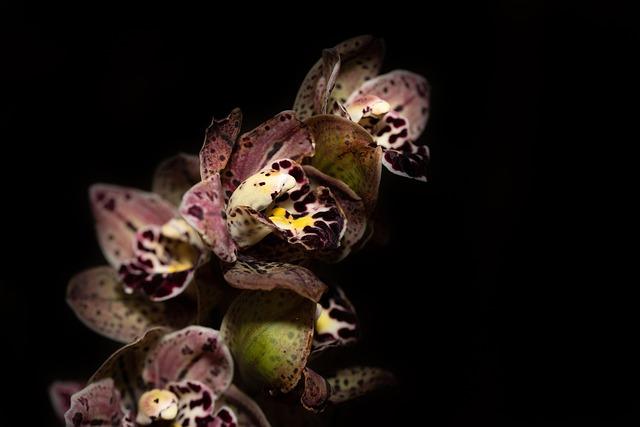
Orchids, often celebrated for their striking beauty, play a fundamental role in global biodiversity. These plants are not only visually alluring but are also integral to the ecosystems they inhabit. Orchids, many of which are native and endangered, are vital for maintaining the delicate balance of wild habitats. Their conservation signifies an investment in protecting plant diversity, ensuring the survival of other species that depend on them. As guardians of genetic diversity, orchids enhance the resilience of ecosystems under environmental pressures. These treasures of nature highlight the urgency in conserving endangered species to sustain Earth’s rich biodiversity.
Why Protecting Plant Diversity Matters
Protecting plant diversity is more crucial than ever in our rapidly changing world. Orchids exemplify this importance, as they support a myriad of interactions within their ecosystems. Serving as critical components of biodiversity, they provide essential resources for native species, including rare insects and pollinators unique to specific habitats. These interactions underline the significance of protecting endangered plants, like the critically endangered Ghost Orchid, which are pivotal for ecological stability. Ecosystems with rich plant diversity tend to be more resilient, offering better resistance to diseases and environmental changes while maintaining healthy interactions among species.
Moreover, plant diversity ensures genetic variability, vital for the adaptation and survival of ecosystems facing climate change. Orchids, with their vast array of species, are keystones in habitats around the globe, supporting the intricate web of life. Their unique adaptations help in understanding ecological processes and tackle conservation challenges. The Laguna de los Huertos is a prime example of how biodiversity can flourish when conscious efforts are made to protect native environments and their species. Efforts to conserve such diverse habitats ultimately benefit humanity by sustaining resources like clean air and water, which these ecosystems naturally filter.
Furthermore, the conservation of orchids, along with other endangered plants, yields benefits beyond their ecosystems. They contribute to the moral and aesthetic values nature imbues in us, fostering a deeper appreciation and connection to our natural world. Ensuring the preservation of these rare and wild species aids in maintaining plant diversity crucial to Earth’s legacy. As stewards of the planet, it falls to us to champion conservation efforts, raising awareness of the value that orchids and other endangered plant species bring to global biodiversity, thereby safeguarding them for future generations.